

Introduction: Why Avoiding Design Mistakes Matters in Solar-Powered Greenhouses
Home-scale greenhouses empowered by solar energy are revolutionizing sustainable food production. They promise year-round fresh produce, lower grocery bills, and a smaller carbon footprint. However, many passionate DIYers and eco-conscious homeowners jump into building a solar-powered greenhouse without fully understanding the technical and environmental nuances. The result? Costly errors, underperforming crops, and wasted investment. In this guide, I’ll illuminate the most common design mistakes to avoid when creating your own solar-powered greenhouse for all-season growing. Drawing on real-world experience, engineering best practices, and the latest in green technology, I’ll help you sidestep pitfalls that undermine efficiency, plant health, and sustainability. Whether you’re planning your first structure or upgrading an existing one, these insights will ensure your greenhouse thrives in every season, maximizing yields while minimizing environmental impact.
Mistake #1: Poor Site Selection and Orientation
Ignoring Sun Path and Microclimate
The most advanced solar panels and insulation won’t compensate for a poorly chosen site. Many DIY builders underestimate the importance of sun exposure and site-specific microclimate. Greenhouses need full sun—ideally south-facing (in the Northern Hemisphere) with minimal shade from trees, fences, or buildings, especially during winter when the sun is lowest.
- Tip: Use a sun path calculator or app to chart sunlight hours throughout the year at your intended location.
- Beware: Even partial shade in winter can halve solar gain, undermining both plant growth and solar power collection.
Overlooking Wind and Weather Protection
Strong winds can chill your greenhouse and reduce energy efficiency. Position your structure with natural windbreaks (like hedges) or install artificial ones. Avoid low-lying spots prone to frost pockets, and ensure drainage is excellent to prevent waterlogging.
Mistake #2: Underestimating Insulation Needs
Skimping on Quality Materials
Many new builders opt for single-pane glass or thin polycarbonate to save on up-front costs. This dramatically increases heat loss and energy demand during cold months. For year-round growing, invest in double or triple-wall polycarbonate or insulated glass. Combine this with insulated north walls and thermal breaks in the frame to minimize heat transfer.
- Pro Tip: Use bubble wrap or greenhouse-rated insulation blankets as affordable retrofits for added R-value.
Ignoring the Thermal Envelope
Every seam, joint, and opening is a potential leak in your greenhouse’s thermal envelope. Gaps allow costly heat to escape and cold drafts to enter. Use high-quality weatherstripping, caulk, and insulated doors/windows specifically rated for greenhouses.
Mistake #3: Oversizing or Undersizing the Solar System
Not Matching System Size to Seasonal Demand
It’s easy to buy an off-the-shelf solar kit that seems large enough on paper but falls short in winter. Conversely, oversizing wastes money and roof space. Calculate your greenhouse’s seasonal energy needs based on lighting, fans, heaters, and water pumps. Use the lowest expected winter sunlight hours as your sizing baseline. Sizing calculators from reputable solar suppliers can help, or consult with a solar engineer if you’re unsure.
- Don’t Forget: Solar performance drops with snow cover, cloudy days, and panel soiling—factor in at least a 20% extra capacity buffer for reliability.
Neglecting Battery Storage and Backup
Without adequate battery storage, your system may falter during cloudy spells or overnight. Use deep-cycle batteries designed for solar applications, sized for at least 2–3 days of autonomy. Consider a backup power source (like a small wind turbine or grid tie-in) for extreme weather.
Mistake #4: Overlooking Passive Solar Design Principles
Failing to Leverage Thermal Mass
Many DIY greenhouses rely only on active heating (electric or gas) when they could be storing free daytime heat. Integrate thermal mass—such as water barrels, stone flooring, or concrete walls—where sunlight will hit directly. These materials absorb heat during the day and release it at night, stabilizing temperature swings.
Poor Ventilation Planning
Greenhouses can overheat, especially in spring and summer, stressing or killing plants. Cross-ventilation is essential. Use operable vents on both the low and high walls, supplemented by solar-powered exhaust fans. Position intake vents low (for cool air) and exhaust vents high (for hot air escape).
Mistake #5: Inadequate Foundation and Structural Planning
Flimsy or Nonexistent Foundation
Skipping a proper foundation leads to shifting, settling, and leaks. Use pressure-treated lumber, concrete slabs, or frost-protected footings, depending on your climate and soil type. In frost-prone regions, footings should extend below the frost line to prevent heaving.
Ignoring Snow and Wind Loads
Not all greenhouse kits are built for harsh winters. Undersized rafters or weak connections can buckle under heavy snow or high winds. Consult local building codes for minimum load requirements and reinforce accordingly. For DIY builds, overbuild rather than underbuild—use hurricane ties, strong anchor bolts, and cross-bracing.
Mistake #6: Overcomplicating Automation and Controls
Too Many Gadgets, Not Enough Reliability
Automated irrigation, venting, and lighting can be helpful, but complexity brings failure points. Choose robust, weather-rated controls and prioritize critical systems (ventilation, heating, and security). Simple, manual overrides are vital in case of system failure or power outages.
Forgetting Maintenance Access
Cramming your greenhouse with equipment, beds, and gadgets can make maintenance a nightmare. Design wide paths, hinged panels, and easily accessible control boxes from the start. Leave space to clean solar panels and service batteries safely.
Mistake #7: Failing to Plan for Water Management
Poor Irrigation and Drainage Setup
Greenhouses need consistent, efficient irrigation and robust drainage. Manual watering is labor-intensive and uneven; consider solar-powered drip irrigation or wicking beds. Install French drains or gravel trenches to channel excess water away from the foundation, protecting structure and plant roots.
Ignoring Rainwater Harvesting Potential
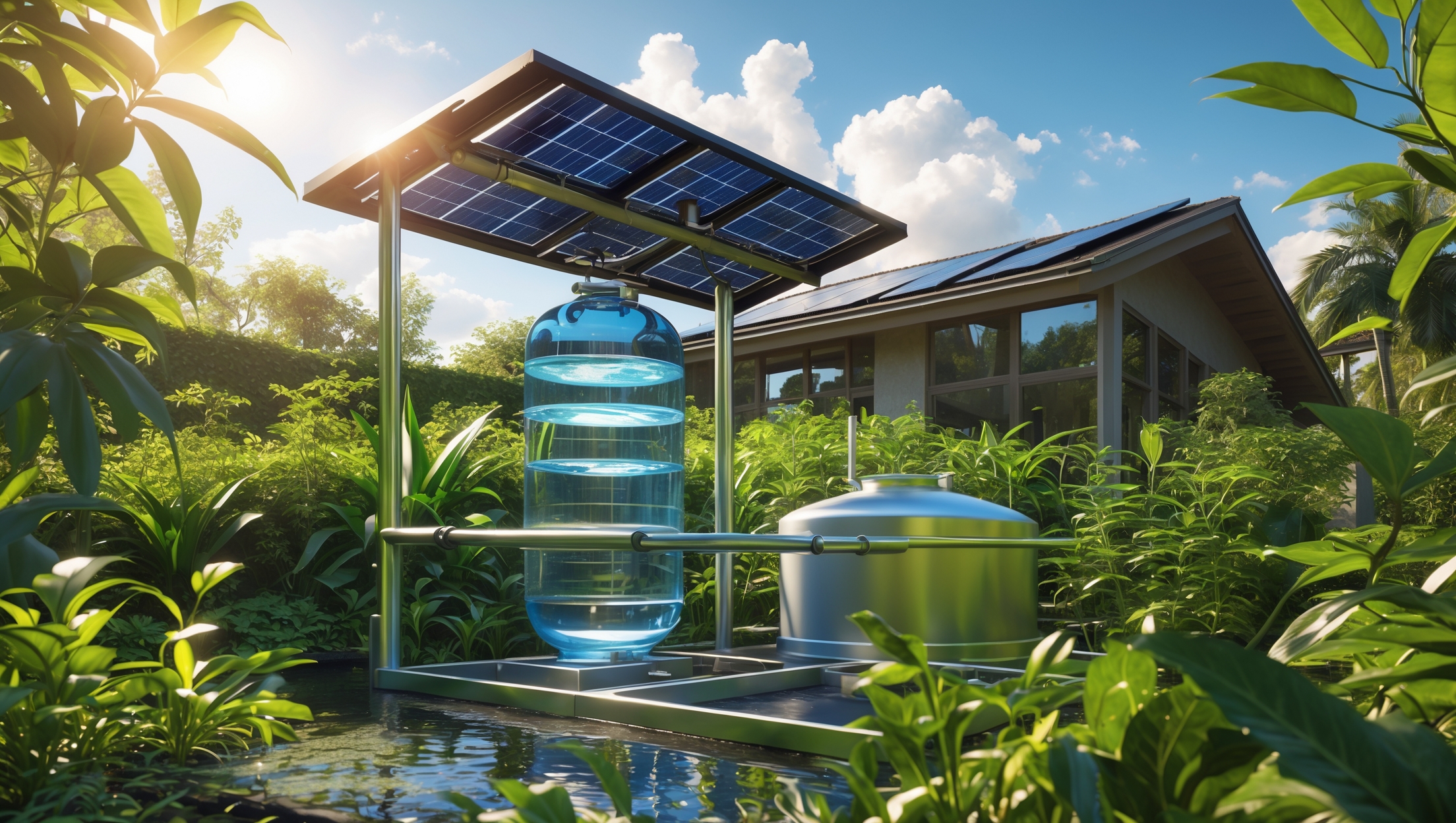
Solar-powered greenhouses pair perfectly with rainwater collection. Install gutters and downspouts to channel roof runoff to storage barrels. Use first-flush diverters to keep contaminants out of your irrigation water. This reduces reliance on municipal water and further boosts sustainability.
Mistake #8: Neglecting Plant Selection and Crop Rotation
Choosing Unsuitable Crops for Year-Round Growing
Not all plants thrive in greenhouse conditions, especially during low-light winter months. Focus on hardy greens, herbs, and root vegetables for winter; reserve heat-loving crops (like tomatoes) for spring and summer. Research varieties bred for greenhouse or low-light tolerance.
Skipping Crop Rotation and Soil Management
Continuous, year-round growing intensifies pest and disease pressure. Rotate crops, use raised beds with fresh soil/compost annually, and integrate biological pest controls (like beneficial insects). Solarization (using clear plastic to heat and sterilize soil) can refresh beds between seasons.
Mistake #9: Overlooking Compliance and Safety
Ignoring Permits and Local Codes
Many municipalities require permits for even small greenhouses, particularly if powered or plumbed. Noncompliance can mean fines or forced removal. Check zoning, electrical, and fire safety regulations early in your planning process. If tying into the grid or water system, professional installation may be required.
Failing to Plan for Fire and Electrical Safety
Poor wiring or overloaded circuits are a serious fire hazard. Use weatherproof, outdoor-rated wiring and components. Install GFCI outlets, proper circuit breakers, and never daisy-chain extension cords. Mount fire extinguishers near all access points and keep walkways clear.
Mistake #10: Underestimating the Cost and Return on Investment
Unrealistic Budgeting
Solar-powered greenhouses can cost more than anticipated, especially with quality materials and robust solar systems. Itemize every component—foundation, frame, glazing, insulation, solar panels, batteries, controls, and backup systems. Allow for at least a 10–15% contingency for surprises.
Ignoring Lifespan and Payback Calculations
Don’t assume your investment will pay for itself in a single season. Calculate payback based on energy savings, food production, and reduced grocery bills over the projected lifespan of your system (typically 10–20 years for quality solar panels and batteries). Track your yields and costs annually to evaluate true ROI.
Conclusion: Building a Resilient, Productive Solar Greenhouse—The Smart Way
Designing a solar-powered greenhouse for year-round growing is one of the most rewarding projects for sustainable living enthusiasts. Avoiding these common mistakes isn’t just about saving money or hassle; it’s about creating a resilient and productive system that delivers fresh food, reduces your environmental impact, and stands up to the realities of your local climate. Take time to research, plan, and invest in quality materials and thoughtful design. Prioritize site selection, robust insulation, and right-sized solar systems. Integrate passive solar principles, manage water smartly, and keep safety and compliance at the forefront. By learning from others’ missteps, you’ll set yourself up for seasons of successful harvests and the satisfaction of true self-reliance. As technology advances and more resources become available, your solar-powered greenhouse can evolve and improve, further contributing to a sustainable, green future. Start smart, stay flexible, and enjoy the journey of growing food with the power of the sun.

You mention artificial windbreaks as an option. Do you have suggestions for cost-effective materials or structures that actually work well for reducing wind in exposed rural locations?
For cost-effective windbreaks in exposed rural areas, consider using materials like burlap, shade cloth, or snow fencing stretched between sturdy wooden or metal posts. Straw bales can also provide a temporary barrier. Planting hardy shrubs or fast-growing trees in rows can serve as a long-term solution, though they take time to establish. The key is to create a semi-permeable barrier that slows and diffuses wind rather than blocking it completely.
How can I figure out whether the trees around my backyard will cast enough shade in the winter to cause problems for my greenhouse solar panels and plants? Is there a reliable way to predict this before building?
To predict winter shading, observe your backyard at different times of the day during winter, since that’s when the sun is lowest and shadows are longest. You can also use a sun path app or a solar pathfinder tool to map where shadows fall throughout the year. This helps you estimate how much sunlight your greenhouse will receive before building, ensuring your panels and plants get enough light.
After ensuring proper site orientation and wind protection, what should the next step be—should I focus on insulation, ventilation, or solar equipment selection first to avoid major mistakes?
Once site orientation and wind protection are sorted, it’s best to focus on insulation next. Good insulation is crucial for maintaining stable temperatures, especially in winter. After insulation, turn your attention to effective ventilation to prevent overheating and humidity issues. Solar equipment selection is important, but it’s most effective after your insulation and ventilation needs are clearly defined, so you can size your system correctly.