
Introduction: The Rise of Residential Solar Carports and the Compliance Challenge
As homeowners continue to embrace sustainable living and green technologies, residential solar carports are becoming a popular solution for generating clean energy while providing shelter for vehicles. Unlike rooftop solar panels, solar carports offer flexibility in orientation, maximize underutilized space, and can be designed to complement your home’s aesthetics. However, installing a solar carport is not as simple as ordering materials and hiring a contractor. Homeowners must navigate a complex web of zoning rules, building permits, utility interconnection procedures, and, often, homeowners’ association (HOA) guidelines. Each of these steps plays a critical role in ensuring your solar carport is legal, safe, and eligible for incentives or grid connection.
This comprehensive guide breaks down the compliance landscape for residential solar carports, offering actionable advice for every stage: from pre-project research and design, through the permitting process, to utility interconnection and HOA approval. Whether you’re a DIY enthusiast or working with solar professionals, understanding these requirements is crucial for a smooth installation, avoiding costly delays, and ensuring your system is built to code. Let’s explore the step-by-step pathway to a compliant, successful solar carport project.
Understanding Residential Solar Carports: Key Benefits and Legal Considerations
What Is a Solar Carport?
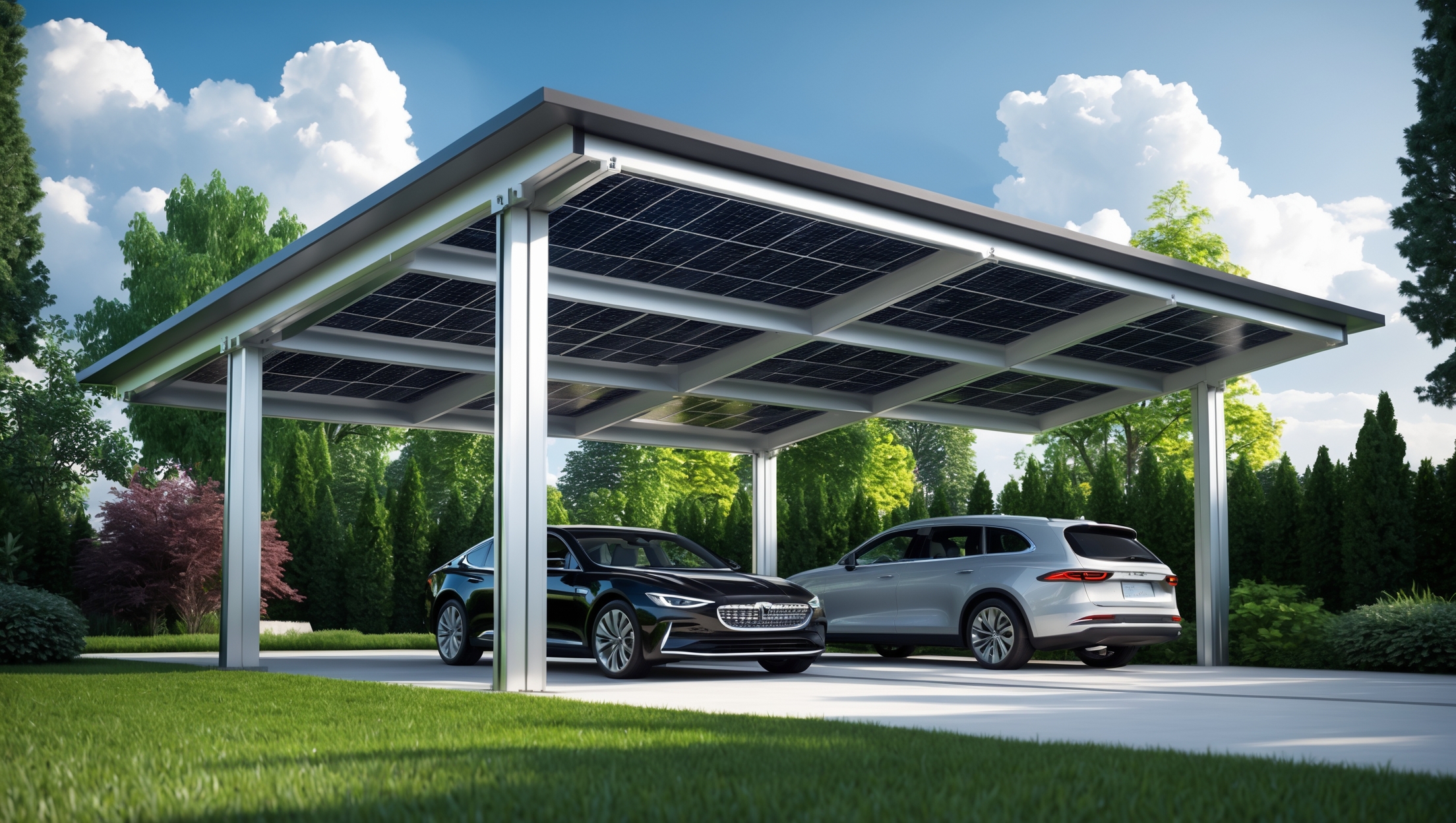
A solar carport is a freestanding or attached structure designed to provide shelter for vehicles while supporting solar photovoltaic (PV) panels on its roof. Unlike ground-mounted or rooftop systems, solar carports can optimize panel orientation, offer shade, and double as rain protection for vehicles—all while generating renewable electricity for your home or electric vehicle (EV) charging station.
Why Compliance Matters
Solar carports are permanent structures that must adhere to local building codes, zoning regulations, and safety standards. Non-compliant installations can result in fines, forced removal, or even jeopardize your home’s insurance and resale value. In addition, utility interconnection compliance is required for grid-tied systems, and HOA approval may be necessary in many neighborhoods.
Step 1: Research Local Zoning Regulations
Common Zoning Restrictions Affecting Solar Carports
- Setback Requirements: Minimum distances from property lines, sidewalks, or other structures.
- Height Limits: Maximum allowable height for accessory structures.
- Lot Coverage Limits: Restrictions on total area of impermeable surfaces or accessory buildings.
- Design and Aesthetics: Material or color restrictions, especially in historic districts.
- Permitted Uses: Whether solar carports are classified as permitted, conditional, or prohibited uses in your zoning district.
How to Find Your Zoning Rules
Start by identifying your property’s zoning classification. This is typically available through your city or county’s planning or building department website. Look for zoning maps and municipal codes. If information is unclear, schedule a meeting or call with a local zoning officer. Bring a sketch or concept of your planned carport for more accurate feedback.
Step 2: Navigating the Building Permit Process
Types of Permits Required
- Building Permit: Required for constructing the carport itself. Includes structural safety, wind load, and snow load calculations.
- Electrical Permit: Necessary for the installation and wiring of solar PV panels, inverters, and any connection to your home electrical system.
- Special Permits: In flood zones or environmentally sensitive areas, additional permits (e.g., stormwater management) may apply.
Application Steps
- Prepare detailed plans, including site layout, structural drawings, and electrical schematics.
- Submit permit applications to your city or county building department. Some jurisdictions offer online applications.
- Pay any required fees. Budget $500–$2,000, depending on locality and project size.
- Expect plan review—this may take several days to several weeks. Address any requested revisions promptly.
- Schedule inspections during and after construction as required by your permit conditions.
Working With Contractors
Licensed solar installers typically handle the permitting process as part of their service. However, DIY builders must ensure all plans meet code and may need to hire a structural engineer for stamped drawings. Double-check that your contractor is familiar with solar carport permitting in your area.
Step 3: Utility Interconnection—Grid-Tied Solar Carports
Why Interconnection Approval Is Essential
If you plan to connect your solar carport system to the electrical grid—whether for net metering or backup power—you must receive approval from your utility. Unauthorized connections can result in fines, disconnection, or even legal action.
Key Steps in the Interconnection Process
- Pre-Application: Review your utility’s interconnection guidelines. These are usually available online and detail allowed system sizes, required equipment, and timelines.
- Application Submission: Provide system specifications, engineering diagrams, and evidence of building permits. Some utilities require professional installation for approval.
- Technical Review: The utility may assess grid impact, safety, and whether upgrades to your electrical panel or transformer are needed.
- Inspection: After installation, the utility will inspect your system before granting permission to operate (PTO).
- Interconnection Agreement: Sign a formal agreement outlining system operation, metering, and liability.
Common Pitfalls to Avoid
- Assuming approval is automatic—many projects are delayed by incomplete applications.
- Installing non-listed or non-certified equipment—utilities often require UL-listed panels and inverters.
- Failing to coordinate with your installer and electrician for required documentation.
Step 4: Navigating HOA Guidelines and Restrictions
The Impact of HOAs on Solar Carports
Homeowners’ associations (HOAs) often have architectural control over exterior modifications, including solar installations and carports. Some HOAs prohibit carports outright; others regulate their appearance, location, or visibility from the street. Even in states with solar access laws, you may need to negotiate design elements to gain approval.
How to Get HOA Approval
- Request a copy of your HOA’s covenants, conditions, and restrictions (CC&Rs). Search for sections on solar energy systems, carports, and architectural review processes.
- Prepare a detailed submission, including renderings, materials lists, and how the project meets or exceeds HOA guidelines.
- Consider neighbor outreach—address concerns about aesthetics, property value, or shading in advance.
- Attend HOA meetings to present your project and answer questions.
- Be patient—HOA approvals can take several weeks; factor this into your project timeline.
Your Rights Under Solar Access Laws
Many states have laws limiting HOAs’ ability to unreasonably restrict solar energy systems. However, these laws often allow reasonable restrictions for aesthetics or safety. Research your state’s statutes and be prepared to advocate for your rights if necessary.
Step 5: Ensuring Code Compliance and Safety
Structural and Electrical Code Requirements
- International Building Code (IBC): Governs structural elements, including foundations, framing, and wind/snow loads.
- National Electrical Code (NEC): Sets standards for PV wiring, grounding, inverter placement, and disconnects.
- Fire Safety: Maintain access pathways for emergency responders and use fire-resistant materials where required.
Inspection Checklist
- Verify structural anchoring and load calculations.
- Ensure all PV modules and electrical components are properly labeled and UL-listed.
- Test system grounding and arc-fault protection devices.
- Confirm weatherproofing for all electrical enclosures and junction boxes.
- Document all inspections and approvals for future reference or resale.
Special Considerations: Historic Districts and Flood Zones
Historic Districts
If your property is located in a designated historic district, you may face additional scrutiny regarding the visual impact of your solar carport. Work with local preservation authorities and consider reversible or less conspicuous designs.
Flood Zones
Solar carports in flood-prone areas must comply with elevation and anchoring standards. Consult floodplain management offices for requirements, and ensure your structure is designed to withstand expected water levels.
Documentation and Recordkeeping
Maintain a comprehensive project file including:
- Permit applications and approval letters
- HOA correspondence and final approval
- Utility interconnection agreements
- Inspection reports
- Equipment datasheets and warranties
These records are essential for future maintenance, insurance claims, or when selling your property.
Troubleshooting and Appeals
What If Your Application Is Denied?
- Request specific feedback on deficiencies or reasons for denial.
- Revise your plans to address code or aesthetic concerns.
- If you believe your rights are being infringed, consult local solar advocacy organizations or legal counsel about appeals processes.
Practical Tips for a Smooth Compliance Journey
- Start early—zoning and permitting can take longer than expected.
- Engage professionals with experience in solar carport projects.
- Be proactive with utility and HOA communications—don’t wait for issues to arise.
- Budget for unexpected costs such as permit revisions or engineering studies.
- Stay organized—track your paperwork and deadlines meticulously.
Conclusion: Building Your Solar Carport the Right Way
Residential solar carports offer a powerful combination of sustainability, functionality, and modern design. Yet the path from idea to installation is paved with regulatory requirements that can challenge even the most organized homeowner. By understanding and systematically addressing zoning, building permits, utility interconnection, and HOA guidelines, you not only ensure your project’s legality and safety, but also maximize your eligibility for incentives and protect your investment for decades to come.
Compliance is not a hurdle but a roadmap—one that guides you toward a durable, secure, and high-performing solar carport system. Use this guide to chart your course: invest the time to research local rules, prepare thorough documentation, and engage with stakeholders from the outset. In doing so, you’ll avoid costly mistakes, reduce project delays, and gain peace of mind knowing your solar carport is built to last and ready to power your journey toward sustainable living. The result is more than clean energy—it’s a model for responsible, future-ready home improvement.


I’m interested in building a solar carport myself, but I’m not sure how to start with the zoning part. Could you explain how I find out what my local zoning requirements are, and whether they can prevent me from installing a solar carport on my property?
To check your local zoning requirements, start by contacting your city or county’s planning or building department. They can tell you if your property is in a zone that allows solar carports and if there are restrictions on size, height, or location. Some areas may require permits or public hearings. It’s possible for zoning rules to prohibit certain structures, so reviewing these early helps you avoid surprises later.
Could you clarify if there are specific zoning restrictions that make solar carports difficult to approve in certain neighborhoods, such as setback requirements or height limits? Any examples of common roadblocks would be helpful.
Yes, zoning restrictions can definitely impact solar carport approvals. Common issues include setback requirements that dictate how close the structure can be to property lines, and height limits that may prevent taller carport designs. Some neighborhoods also restrict accessory structures in front yards or along certain streets. These rules can vary widely by municipality, so it’s important to check local zoning codes early in your planning process.
What kind of timeline should I expect when going through all the permitting, utility interconnection, and HOA approval steps you mentioned? Is there usually one part that tends to slow the process down the most?
The overall timeline for installing a residential solar carport can vary, but most projects take anywhere from 2 to 6 months from start to finish. Permitting (especially zoning reviews) and utility interconnection approval often take the longest—sometimes several weeks each. HOA approval can also be a bottleneck if your association meets infrequently or has a detailed review process. Staying in close contact with your installer and promptly providing any documents requested can help keep things moving smoothly.
When planning the budget for a solar carport, do permit and compliance costs add a significant chunk compared to the construction and solar hardware? I’d like to avoid surprises in the total project cost.
Permit and compliance costs can vary widely by location, but they often add a noticeable amount to the overall solar carport budget—sometimes several hundred to a few thousand dollars. While they usually don’t surpass the costs of construction or solar hardware, they aren’t negligible. It’s wise to get detailed quotes for permits, inspections, and possible HOA approvals early on so you can account for them in your total project budget.
Regarding costs, could you provide any ballpark figures or tips on potential hidden expenses related to compliance, like unexpected city requirements or changes to my utility plan once the solar carport is set up?
You might expect compliance-related costs to range from a few hundred to several thousand dollars, depending on your location and project size. Common hidden expenses include extra permitting fees, required upgrades to your electrical panel, unexpected site inspections, or fees for utility interconnection. Sometimes, your utility may switch you to a different rate plan after installation, affecting your monthly bills. It’s a good idea to ask your installer for a detailed estimate and to consult your city or HOA about all possible requirements up front.