

Introduction: Why Budgeting Matters for DIY Solar-Powered Greenhouse Projects
Building a solar-powered greenhouse is a dream project for many sustainable living enthusiasts. Combining renewable energy with homegrown food production offers the ultimate in eco-friendly self-sufficiency. However, without a clear understanding of the costs involved, even the most well-intentioned DIYers can find themselves facing unexpected expenses, budget overruns, or disappointing compromises in functionality. Whether you’re looking to extend your growing season, reduce your carbon footprint, or explore off-grid living, a carefully planned cost breakdown and realistic budget are essential for turning your vision into a successful, long-lasting reality.
This guide provides an in-depth, line-by-line analysis of the expenses you can expect when building a DIY solar-powered greenhouse. From foundational materials to solar integration, automation, and ongoing operational costs, you’ll get practical advice and real-world numbers to help you make informed decisions. We’ll also discuss smart budgeting strategies, how to prioritize investments for maximum efficiency, and ways to avoid common financial pitfalls that can derail sustainable greenhouse projects. By the end, you’ll be equipped to plan, budget, and build a solar-powered greenhouse that delivers both environmental and economic benefits for years to come.
Project Scope: Defining Your Solar Greenhouse Goals
Size and Functionality: The Biggest Budget Drivers
Before gathering estimates, you need to clearly define the scope of your project. The size of your greenhouse and its intended uses—seed starting, year-round vegetable production, specialty crops, or tropical plants—significantly impact both construction and solar system costs. Small backyard models (under 100 sq ft) may cost as little as $1,500, while larger, high-tech greenhouses (400–800 sq ft) with automated systems and full solar integration can exceed $15,000.
- Mini Greenhouse (under 100 sq ft): Seedlings, herbs, basic season extension.
- Standard Backyard Greenhouse (100–300 sq ft): Year-round vegetables, microgreens, small fruit crops.
- Large or Specialty Greenhouse (400+ sq ft): Extended season, aquaponics, tropical plants, commercial use.
Solar Power Objectives
Decide which systems will be powered by solar: heating, ventilation, lighting, irrigation, or all of the above. The more systems you electrify, the larger your solar array and battery storage must be—directly impacting upfront costs.
Detailed Cost Breakdown: Materials, Systems, and Labor
1. Greenhouse Structure Materials
- Foundation: Pressure-treated lumber, concrete piers, or slab ($250–$2,000 depending on size and local requirements).
- Frame: Aluminum, galvanized steel, or wood ($300–$4,000).
- Glazing: Polycarbonate panels, glass, or polyethylene film ($200–$3,000). Polycarbonate is durable and insulates well, while glass provides aesthetics but is pricier.
- Doors & Windows: Pre-hung doors, vent windows ($150–$600).
- Fasteners & Hardware: Screws, anchors, brackets, sealants ($50–$300).
2. Solar Power System Components
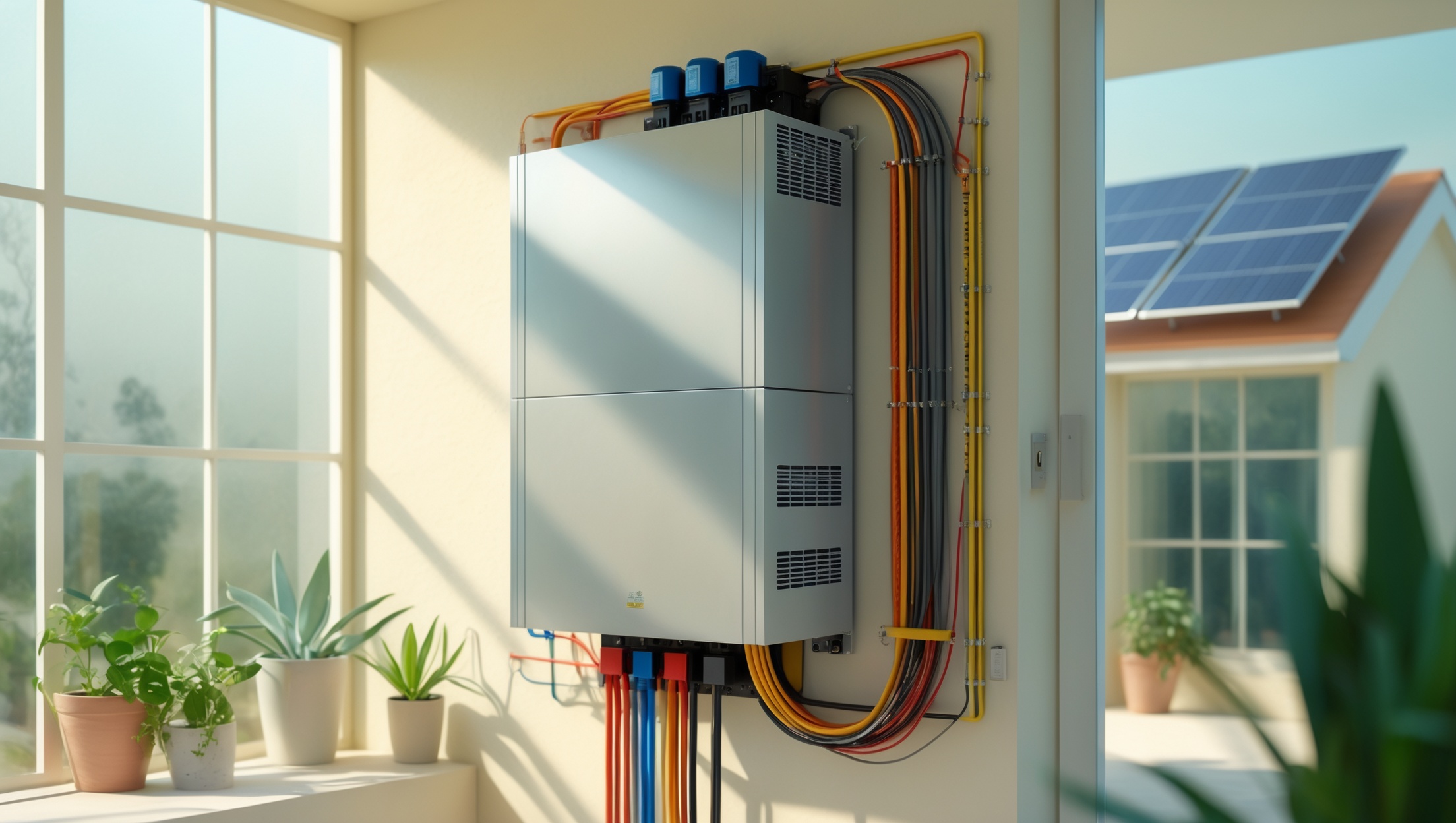
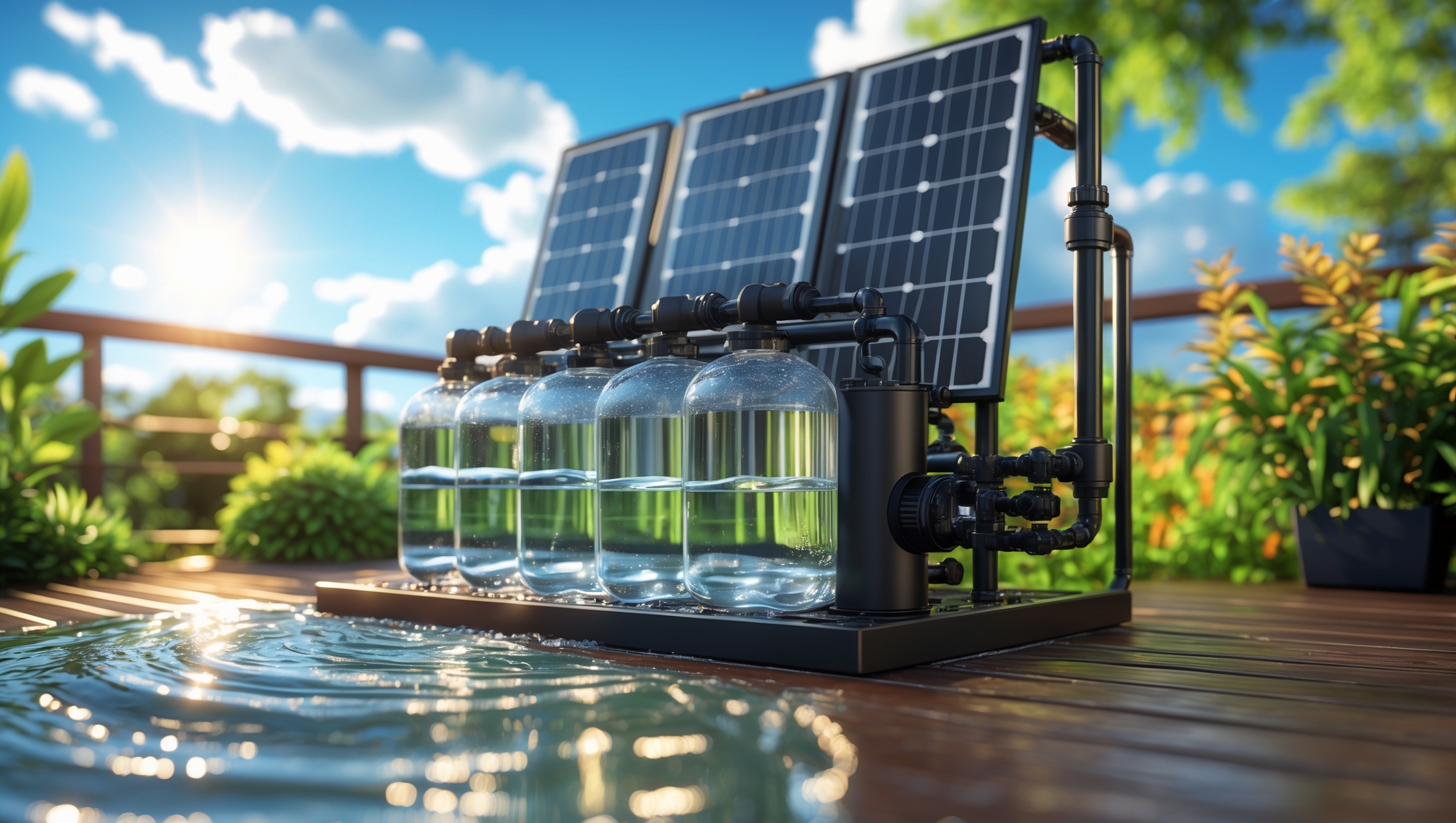
- Solar Panels: 1–2 kW array for basic needs ($700–$2,000). For larger greenhouses or full electrification, plan for 2–5 kW ($2,000–$6,000).
- Charge Controller: MPPT recommended for efficiency ($100–$400).
- Battery Bank: Lead-acid (cheaper, more maintenance) or lithium iron phosphate (higher upfront, longer lifespan). Expect $500–$3,000 depending on capacity.
- Inverter: To run AC-powered devices ($200–$1,200).
- Wiring, Mounts & Breakers: Cables, MC4 connectors, combiner boxes, mounting racks ($200–$800).
3. Greenhouse Environmental Systems
- Ventilation: Solar-powered exhaust fans, louvers ($150–$700).
- Heating: Electric radiant heaters, heat mats, or passive solar design (thermal mass). Electric solutions: $150–$1,200. Passive: $100–$500 for materials.
- Irrigation: Solar pump, drip lines, timers ($100–$400).
- Lighting: Full-spectrum LED grow lights ($300–$1,200 for moderate coverage).
- Automation & Sensors: Thermostats, humidity controllers, soil moisture sensors ($150–$600).
4. Tools, Equipment, and Miscellaneous
- Basic Tools: Drill, saw, level, ladder, wire strippers ($100–$400 if not already owned).
- Safety Gear: Gloves, goggles, hard hat, respirators ($50–$200).
- Permits & Inspections: Local fees vary widely ($0–$600+). Always check with your municipality.
- Delivery & Transport: Materials delivery, equipment rental ($100–$500).
5. Labor: DIY vs. Hiring Professionals
- DIY Approach: Save on labor, but budget extra time and allow for learning curve.
- Professional Help: Hiring for concrete work, electrical, or solar installation can add $1,000–$5,000. Some electrical work may require licensed contractors for safety and code compliance.
Budgeting Strategies for Success
Prioritize Spending for Maximum Impact
Not all greenhouse features are equally vital. Allocate your budget based on your climate, growing goals, and which systems deliver the highest return on investment:
- Climate Control First: In cold climates, prioritize insulation, thermal mass, and heating. In hot climates, invest in ventilation and shading.
- Energy Efficiency: Spend more upfront on efficient glazing and insulation to reduce long-term heating/cooling loads—this can shrink the size (and cost) of your solar system.
- Solar Sizing: Oversize slightly for future expansion, but avoid dramatically overbuilding. Start with essentials (ventilation, basic lighting) and add high-power needs (heating, extensive lighting) as your budget allows.
Phased Building: Spreading Out the Costs
Consider a phased approach if budget is tight. Start with a basic greenhouse shell and core solar system, then add features over time as funds allow. This keeps your project moving and allows you to learn as you go.
Budget Buffer: Planning for the Unexpected
Add a 10–20% contingency to your budget for unplanned expenses, such as weather delays, material price increases, or minor design changes. This buffer prevents stress and project delays.
Sample Budget Scenarios
Scenario 1: Entry-Level Backyard Solar Greenhouse (120 sq ft)
- Foundation & Frame: $700
- Glazing: $400
- Doors/Windows: $200
- Solar Panels (1 kW), Charge Controller, Inverter: $1,200
- Battery Bank: $800
- Basic Ventilation & Lighting: $400
- Irrigation: $150
- Tools & Miscellaneous: $250
- Permits: $150
Total Estimated Cost: $4,250 (DIY labor)
Scenario 2: Mid-Range Four-Season Solar Greenhouse (300 sq ft)
- Foundation & Frame: $1,800
- Glazing: $1,400
- Doors/Windows: $400
- Solar Panels (2 kW), Charge Controller, Inverter: $2,400
- Battery Bank: $1,700
- Heating System: $700
- Ventilation & Automation: $800
- Lighting: $800
- Irrigation: $250
- Tools & Miscellaneous: $400
- Permits: $250
Total Estimated Cost: $10,900 (DIY labor)
Scenario 3: High-Tech, Large-Scale Solar Greenhouse (600 sq ft)
- Foundation & Frame: $4,000
- Glazing: $3,000
- Doors/Windows: $600
- Solar Panels (4 kW), Charge Controller, Inverter: $5,000
- Battery Bank: $2,800
- Heating System: $1,200
- Ventilation, Lighting, Automation: $2,400
- Irrigation: $400
- Tools & Miscellaneous: $700
- Permits: $500
- Professional Install Help: $3,000
Total Estimated Cost: $23,600 (includes partial professional labor)
Hidden and Ongoing Costs to Consider
- Replacement & Repairs: Batteries (every 5–10 years), glazing panels, solar inverters.
- Maintenance Supplies: Lubricants, cleaning materials, replacement filters ($50–$150/year).
- Insurance: May be required for larger, permanent installations. Factor in $100–$400/year.
- Monitoring Software or Devices: Optional, but can add $100–$300 for remote monitoring.
Plan for these expenses in your annual budget to keep your greenhouse operational and efficient.
Ways to Save Without Sacrificing Performance
- Repurpose and Salvage: Use reclaimed windows, doors, or even old solar panels if you can verify their performance.
- DIY Where Possible: Tasks like assembling frames, installing glazing, or setting up irrigation systems can be tackled by most handy homeowners.
- Group Buying: Join local gardening or renewable energy groups to pool purchases and access bulk discounts.
- Grants, Rebates, and Tax Credits: Research local, state, and federal programs that support renewable energy or sustainable agriculture installations.
- Design for Passive Solar: Orient your greenhouse and use thermal mass (barrels of water, masonry) to reduce the need for active heating/cooling.
Common Budgeting Mistakes to Avoid
- Underestimating Solar System Size: Overloaded systems lead to power shortages and premature battery failure.
- Ignoring Local Codes: Failing to secure permits can lead to costly fines or forced modifications.
- Neglecting Weatherproofing: Skimping on quality sealants, flashing, or drainage can cause expensive repairs after storms.
- Forgetting Labor Costs: Even DIY projects often require professional help for electrical or structural work. Don’t assume you can do it all.
- No Contingency Fund: Always plan for surprises.
Conclusion: Building a Solar-Powered Greenhouse That Lasts
Creating a solar-powered greenhouse is an investment in your health, sustainability, and independence. But it’s also a complex project with many moving parts—and costs. By breaking down every component, from the foundation and frame to the solar power system and climate controls, you can assemble a transparent, realistic budget that matches your goals and resources. Thoughtful planning helps you avoid overspending, prioritize the most impactful features, and ensure your greenhouse operates efficiently for years to come.
As you move from planning to building, remember that flexibility and patience are your greatest allies. Expect some costs to fluctuate, and be prepared to make trade-offs based on your climate, growing needs, and available funds. Use the budgeting strategies and sample scenarios outlined here to scale your project up or down, and take advantage of cost-saving tips—like group purchasing and phased building—to stretch your budget further.
Most importantly, approach your solar greenhouse as a living project. Track your expenses, monitor system performance, and adjust your setup as you learn. With a solid budget and a focus on smart, sustainable choices, you’ll create a productive, energy-efficient greenhouse that pays dividends for your wallet, your well-being, and the planet.
I noticed the article mentions that a high-tech, fully automated greenhouse can run over $15,000. Is there a way to phase your investment, such as starting with manual controls and later upgrading to automation and additional solar panels as your needs grow?
Yes, you can absolutely phase your investment. Many greenhouse builders start with manual controls and basic solar panels to keep initial costs down. As your needs and budget allow, you can upgrade by adding more solar panels, automated ventilation, irrigation, and climate controls over time. Just be sure to plan your initial design so that it’s easy to expand or retrofit with new systems later.
The article mentions that project size is a major budget factor, but are there any design tricks or materials you recommend that help keep costs down while still allowing for a larger greenhouse footprint?
Choosing a hoop house design using PVC pipes or galvanized steel hoops rather than a traditional wooden frame can give you a larger footprint for less money. For glazing, consider using UV-resistant polyethylene film instead of rigid panels, as it’s much more affordable and still effective. Also, maximize passive solar gain by orienting the greenhouse properly, which can reduce the need for extra heating equipment and help control costs.
In your cost breakdown, do you include ongoing maintenance expenses like replacing solar components or greenhouse coverings, or is the focus mainly on initial setup costs? I want to be sure I’m budgeting realistically for the full lifespan of my project.
The cost breakdown in the article primarily focuses on the initial setup expenses, such as purchasing solar panels, batteries, and greenhouse materials. While it mentions that ongoing maintenance like replacing solar components or coverings is important, detailed estimates for these recurring costs aren’t included in the main breakdown. For a full-lifespan budget, it’s wise to set aside funds for periodic replacements and general upkeep.
When budgeting for a small backyard greenhouse (under 100 sq ft) like you mention, what are the main components that tend to surprise people with extra costs? I want to avoid running into sneaky line items halfway through my project.
For small backyard greenhouses, unexpected costs often come from foundation materials (like gravel, pavers, or concrete), quality ventilation systems, and proper wiring for solar setups. Upgrades to stronger glazing or UV-resistant panels can add up, too. Also, delivery fees for glass or oversized panels and the cost of sturdy shelving or plant benches are easy to underestimate. Planning for these ahead can prevent budget surprises.
For someone just starting out with a small backyard greenhouse under 100 sq ft, what are some cost-saving tips that wouldn’t compromise the efficiency or lifespan of the solar-powered setup?
For a small backyard greenhouse, you can save costs by choosing second-hand or refurbished solar panels, which often perform well at a lower price. Use energy-efficient LED lights and a basic solar charge controller to optimize power use. Insulate with affordable materials like bubble wrap to reduce heating needs. Also, start with a smaller battery bank and gradually upgrade as necessary, rather than overspending upfront.
The article mentions that large, high-tech solar greenhouses can cost over $15,000. What are the main features or upgrades that push the cost up that much, and are there specific areas where it makes sense to cut costs without sacrificing efficiency?
The high cost of large, high-tech solar greenhouses usually comes from advanced features like automated climate control, premium glazing, high-capacity solar panels, battery storage systems, and integrated irrigation. If you need to cut costs, consider using standard glazing instead of high-end materials, opting for manual rather than fully automated controls, and installing a smaller battery bank. These changes can lower expenses without compromising the core efficiency of your greenhouse.
When budgeting for a DIY solar-powered greenhouse, how do operational costs like ongoing electricity usage from solar panels compare to traditional grid-powered greenhouses over time? Are there any estimates or examples you could share?
Once your solar panels are installed, the ongoing electricity cost for your greenhouse is essentially zero since you’re generating your own power. In contrast, traditional grid-powered greenhouses face monthly electricity bills, which can add up significantly over time. For example, a medium-sized grid-powered greenhouse might spend $50–$150 per month on electricity, whereas a solar-powered one would mostly just have occasional maintenance expenses. Over several years, solar panels usually pay for themselves through these savings.
I’m interested in off-grid living and want to prioritize maximum energy efficiency, but I have a tight budget. Are there any specific features or areas in the project where cutting costs would have the least impact on overall performance and functionality?
Focusing your budget on quality solar panels and insulation will give the best energy efficiency returns. You can often save money on greenhouse framing by using recycled or locally sourced materials without sacrificing much performance. Automated watering systems and high-tech controls can be added later, so consider manual alternatives at first to keep costs down but still maintain efficient operation.
When budgeting, are there key differences in material costs or solar system sizing for tropical plant greenhouses versus those meant for basic vegetable production?
Yes, there are key differences. Greenhouses for tropical plants usually need more insulation and often require larger solar systems to support higher heating, cooling, and humidity needs. This increases both material and solar setup costs compared to basic vegetable greenhouses, which typically have lower energy demands and can get by with smaller, less expensive solar systems and simpler structures.
When planning the solar system for a larger (400-800 sq ft) setup, how much of the budget should I allocate to ongoing operational expenses versus the up-front installation costs?
For a larger 400–800 sq ft solar-powered greenhouse, you should expect most of your budget—typically 70–85%—to go toward upfront installation costs, including panels, batteries, and system setup. Ongoing operational expenses, like routine maintenance and occasional component replacement, generally account for 15–30% of your total long-term budget. Actual percentages can vary depending on your location, equipment choices, and maintenance needs.
For someone interested in building a small backyard greenhouse under 100 square feet, are there ways to minimize costs on the solar integration part without sacrificing too much functionality?
For a small greenhouse, you can keep solar integration costs down by starting with a basic setup: use a single solar panel paired with a deep-cycle battery to power essentials like ventilation fans or LED lights. Look for used or refurbished panels, and consider DIY installation to save on labor. You can also focus on energy-efficient appliances to reduce the solar capacity needed, which lowers the overall cost without compromising core functionality.
How do ongoing operational costs for a solar-powered greenhouse compare to a traditionally powered one, particularly in terms of maintenance and repairs for solar components? Is there a notable difference in the long run that should be factored into the initial budgeting?
Ongoing operational costs for a solar-powered greenhouse are generally lower than those for a traditionally powered one, since you save on electricity bills. Maintenance for solar components mainly involves cleaning panels and checking connections, which is usually minimal. While solar systems may occasionally need repairs or inverter replacements, these costs are typically less frequent and less expensive over time compared to ongoing utility expenses. Factoring in long-term savings from reduced energy bills can justify the higher upfront investment in solar.
If I’m mostly interested in year-round vegetable production on a moderate budget, which aspects should I consider prioritizing in the initial build versus upgrading later for maximum efficiency?
For year-round vegetable production on a moderate budget, prioritize investing in quality insulation and efficient solar power setup during your initial build—these will help maintain stable temperatures and reliable energy. Features like automated ventilation, high-end monitoring systems, or additional grow lights can be added later as upgrades once you assess your greenhouse’s basic performance and budget. Balancing insulation and solar capacity first gives you the best foundation for expansion.
How do the material choices for foundational structures, such as using reclaimed wood versus new composite materials, affect both cost and long-term durability for solar-powered greenhouses?
Reclaimed wood is usually less expensive upfront, making it a budget-friendly option for greenhouse foundations. However, it may be more prone to rot, pests, and weather damage unless properly treated, which can add to maintenance costs over time. New composite materials, on the other hand, have higher initial costs but offer greater durability, resistance to moisture, and lower maintenance needs, making them a better long-term investment for solar-powered greenhouses.
I’m trying to budget for a medium-sized greenhouse mainly for year-round veggies, but I’m concerned about underestimating the costs for solar integration. Does your guide break down specific hidden expenses like wiring or extra batteries that might catch me off guard?
Yes, the guide covers not just the main components like solar panels and batteries, but also details less obvious expenses that are easy to overlook. It discusses costs for wiring, mounting hardware, controllers, and the possibility of needing extra batteries for cloudy periods. There are sections that highlight how each of these elements can impact your overall budget.
The article mentions automation systems as part of the solar greenhouse setup. Could you elaborate on the most cost-effective automation options that balance convenience and up-front expenses for someone new to greenhouse tech?
For beginners, basic automation like programmable timers for ventilation fans and drip irrigation systems are both affordable and user-friendly. These can be powered directly by your solar setup. Adding a simple temperature and humidity sensor with a relay controller is another cost-effective way to automate vent or heater activation. These systems typically cost much less than full climate control units and offer a good balance of convenience and budget.
I’m interested in building a small backyard greenhouse, but I’m concerned about the price range. The article mentions $1,500 for under 100 sq ft—does that include the solar integration, or would that be extra?
The $1,500 estimate mentioned in the article for a greenhouse under 100 square feet does include basic solar integration, such as small solar panels for ventilation fans or simple lighting. However, if you plan to add larger solar systems for heating or more advanced equipment, you should expect additional costs. The final price can vary depending on the quality and capacity of the solar components you choose.
When estimating for foundational materials versus the solar setup itself, which typically ends up being the larger portion of the total cost based on your experience? Any tips for balancing initial construction quality with staying on budget?
In most cases, the solar setup usually takes up a larger share of the budget compared to foundational materials, especially when including panels, batteries, and controllers. To balance quality and budget, prioritize a solid greenhouse foundation and frame first, as these are hard to upgrade later. For the solar side, you can start with a basic, scalable system and add more capacity as your needs or budget grow.
For those of us who aren’t looking to automate everything right away, do you have advice on which upgrades or elements are easiest to delay without compromising future solar compatibility or greenhouse efficiency?
You can hold off on automating elements like irrigation, ventilation, and lighting controls if you want to keep things simple at first. Just make sure your main solar setup—like panel size, battery capacity, and wiring—can handle future upgrades. Prioritize energy-efficient fans, manual vents, and passive heating or cooling for now, so your greenhouse stays efficient and ready for automation later.
I noticed you mentioned that going from a small backyard greenhouse to a larger, fully automated model can make the price jump significantly. For someone aiming for a middle ground—say, around 200 sq ft with some automation—what major expenses usually catch people off guard during the build?
For a 200 sq ft greenhouse with some automation, unexpected costs often include wiring and electrical work for automation, upgraded ventilation or heating systems, and reinforced framing to support extra features. Many people also overlook the price of sensors, automatic irrigation, and installation fees if not doing all the work themselves. It’s wise to budget a little extra for these hidden expenses.
Could you provide more specific examples of the ongoing operational costs mentioned, such as typical monthly maintenance or replacement expenses for a medium-sized solar-powered greenhouse?
For a medium-sized solar-powered greenhouse, ongoing operational costs often include cleaning solar panels (around $10–$20 monthly if you hire help), occasional replacement of batteries every 5–7 years (averaging $100–$250 per year if you budget ahead), and servicing equipment like inverters or fans (about $5–$15 per month averaged out for minor repairs or part replacements). Utility backup or supplemental water costs can add another $10–$25 per month, depending on your location and setup.
You mention automation and ongoing operational costs—could you share examples of typical monthly expenses for running a solar-powered greenhouse once it’s up and running? I’m trying to plan for both upfront and recurring costs.
Once your solar-powered greenhouse is operational, typical monthly expenses can include backup electricity (if your solar setup isn’t fully off-grid), water usage, nutrient solutions for hydroponics or soil amendments, and periodic repairs or maintenance for components like batteries or pumps. Automation might add subscription fees for smart controllers or cloud monitoring, and there could be small costs for replacement sensors or actuators. Many hobbyists spend $20–$80 per month, but your costs may vary depending on your greenhouse size and level of automation.
For large greenhouses in the 400–800 sq ft range with full solar integration, how much time should I expect to spend on sourcing materials and installation? Are there ways to speed up the process without driving up costs?
For a fully solar-integrated greenhouse of 400–800 sq ft, sourcing materials and installation can take 2–4 weeks, depending on your experience and local supplier availability. To speed things up without raising costs, plan thoroughly, create a detailed materials list ahead of time, and source from local suppliers to reduce wait times. Enlisting help from friends or family can also make installation faster without extra expense.
For someone interested in building a greenhouse specifically for tropical plants, how would the budgeting priorities differ from a standard vegetable-focused setup, particularly regarding solar integration needs?
For tropical plants, you’ll need to budget more for insulation, climate control, and possibly stronger solar power systems, since maintaining higher humidity and temperatures is crucial. Unlike standard vegetable setups, consider allocating extra funds for efficient heaters, automated humidity controls, and backup battery storage to ensure consistent warmth even during cloudy days. Your solar integration may need to support higher energy demands to cater to these specific needs.
The article mentions that sizing and intended use can drastically change costs. If my goal is just to extend the growing season rather than year-round production, would you recommend a different budgeting approach or specific features to skip?
If your goal is only to extend the growing season, you can simplify your project and save money. You can opt for a smaller solar power setup, since you won’t need as much heating or lighting. Insulation can be less robust, and you might skip backup heating systems. Focus your budget on basic temperature control, ventilation, and essential solar components, rather than full climate automation or high-capacity batteries.
If my main goal is to extend my growing season but not necessarily maintain tropical plants, would you recommend prioritizing automation or a larger investment in solar capacity within a limited budget?
If your primary goal is just to extend your growing season, it’s usually more cost-effective to focus on maximizing solar capacity rather than investing in automation. More solar power ensures your essential systems like heating and ventilation run reliably. Automation is helpful, but you can often manage basic tasks manually if you’re on a tighter budget.
If I set a firm budget for my project, which aspects should I prioritize for maximum efficiency and lasting value, especially if I have to compromise on things like automation or greenhouse size?
To get the most efficiency and value on a strict budget, focus on quality solar panels, reliable batteries, and solid greenhouse insulation. These elements ensure your greenhouse stays powered and maintains temperature well. It’s wise to choose a slightly smaller but well-insulated structure over a larger, draftier one. If you must compromise, start with manual controls rather than full automation, which can always be added later as funds allow.
The article mentions that larger greenhouses with full solar integration can go over $15,000, but I’m wondering what parts of the project usually end up costing the most. Is it the solar panels themselves, automation, or the structure?
For fully solar-powered greenhouses, the highest expenses typically come from the solar power system itself, especially if you need a lot of panels and batteries to handle year-round energy needs. After that, the greenhouse structure—particularly if you use quality materials for insulation and durability—can be a significant cost. Automation systems can add up too, but they usually account for less of the total budget than the panels and structure.
Could you elaborate on how much of the overall budget typically goes toward the solar system itself versus the other construction materials, especially for a mid-sized greenhouse?
For a mid-sized DIY greenhouse, the solar power system usually accounts for about 40–60% of the overall project budget. This includes solar panels, batteries, controllers, and wiring. The remaining 40–60% typically covers greenhouse structure materials like framing, glazing, ventilation, and insulation. The exact split depends on the quality and scale of both the greenhouse build and the solar setup you choose.
How much of the overall budget should I realistically set aside for ongoing operational costs after the initial build, especially if I’m planning to run the greenhouse year-round?
For a year-round solar-powered greenhouse, it’s wise to allocate about 10 to 20 percent of your total project budget for ongoing operational costs each year. This covers maintenance, battery replacements, cleaning solar panels, and any unexpected repairs. If you plan on using supplemental heating, cooling, or automated systems, consider budgeting toward the higher end of that range.
In the article, you mention avoiding common financial pitfalls—what are some of the most frequent unexpected costs DIYers run into during the construction phase? Are there any specific materials or installation steps that tend to go over budget?
Some of the most frequent unexpected costs during DIY solar-powered greenhouse projects include underestimating the price of quality glazing materials, like polycarbonate panels, and the expense of proper insulation. Installation steps that can go over budget often involve electrical wiring for the solar setup, hiring help for tricky roof or panel mounting, and purchasing additional fasteners or structural supports when original plans need adjusting. Factoring in a contingency fund helps manage these surprises.
Is it possible to start small with solar integration and expand functionality over time, or does the initial design lock you into certain capabilities and costs?
You can definitely start small with your solar integration and expand later on. Many DIY solar setups are modular, letting you add more panels, batteries, or controllers as your needs grow. Just be sure to choose compatible components from the beginning, so upgrading your system in the future is straightforward and avoids unnecessary extra costs.
For someone wanting to start with a smaller model under 100 sq ft, what are some smart ways to prioritize spending to get the best efficiency without sacrificing critical features?
For a smaller greenhouse under 100 sq ft, prioritize spending on high-quality solar panels and an efficient battery system, as these directly impact your energy supply. Invest in good insulation to minimize energy loss, and choose essential automation features like a programmable thermostat over extras. Use durable but affordable materials for the frame and glazing to keep costs down while maintaining reliability and efficiency.
If I start with a basic structure to save money upfront, what are the most cost-effective upgrades to add later for improving efficiency without massive reinvestment?
Starting with a basic structure is a smart move. For cost-effective upgrades later, consider adding better insulation, such as bubble wrap or polycarbonate panels, to reduce heat loss. Installing a small, efficient solar-powered fan can improve air circulation. Upgrading to an automated, solar-powered vent opener is another affordable way to boost efficiency. These upgrades each offer good value without a large upfront cost.
Could you provide a more detailed breakdown of the ongoing operational costs you mentioned, such as maintenance and potential repairs for the solar setup? I am trying to estimate not just the upfront investment, but also the long-term expenses for a medium-sized greenhouse.
For a medium-sized solar-powered greenhouse, ongoing operational costs typically include cleaning panels (about $50–$150 per year if you hire help), periodic inverter or battery checks (minimal if self-inspected, $100–$300 every few years if replaced), and occasional wiring or component repairs (budget $50–$200 annually). Maintenance frequency depends on your local weather, panel access, and battery type. Setting aside 1–2% of your system’s total cost annually is a reasonable estimate for long-term upkeep.
When budgeting for the solar system specifically, what’s the best way to accurately estimate how much solar capacity I’ll actually need based on my region and intended greenhouse use?
To estimate the solar capacity you need, start by calculating your greenhouse’s total daily energy usage in kilowatt-hours based on all equipment (fans, heaters, lights). Next, research your region’s average daily sunlight hours, often called ‘peak sun hours.’ Divide your energy use by the number of peak sun hours to find the required solar panel wattage. Add 10–20% extra capacity to account for inefficiencies and cloudy days.
When budgeting for automation in a DIY solar greenhouse, what are some features that offer the best return on investment for both small and larger models?
For both small and larger DIY solar greenhouses, automated ventilation (using temperature-controlled fans or vent openers) and irrigation systems usually offer the best return on investment. These features help maintain ideal growing conditions and reduce manual labor, which leads to healthier plants and better yields. In larger greenhouses, consider adding automated shading and environmental sensors, as they can significantly improve efficiency and save time in managing climate conditions.
The article mentions automation as part of high-tech greenhouse options. Could you elaborate on which specific automated features significantly impact costs and whether these systems offer a worthwhile return on investment for smaller greenhouses?
Automated features that most affect costs include climate control (heating, cooling, humidity sensors), automated irrigation, and lighting systems. These can be expensive upfront and require maintenance. For smaller greenhouses, basic automation like timed irrigation may provide good value by saving water and reducing manual work, but fully integrated climate systems might not offer a strong return on investment unless maximizing yield or minimizing labor are top priorities.
When you say that project size is one of the biggest budget drivers, do you have any tips for accurately estimating the minimum viable size for a beginner who’s mainly interested in seed starting and a few vegetables?
For starting seeds and growing a modest selection of vegetables, you can usually get by with a greenhouse that’s around 6×8 feet. Consider how many seed trays or vegetable pots you plan to use, and allow for space to move around. Sketch out your layout before building or buying materials to avoid oversizing. Start small—it’s easier and more affordable to expand later if you need more room.
For someone planning a mid-sized greenhouse around 200 square feet, can you give a rough estimate of the ongoing operational costs, especially after the initial investment in solar panels and automation?
After your initial investment in solar panels and automation, the ongoing operational costs for a mid-sized 200-square-foot greenhouse are generally low. Most of your expenses will be for maintenance, occasional replacement parts like batteries or sensors, and perhaps some water or soil amendments. Typically, you might expect to spend $10–$30 a month, depending on your local climate and what crops you grow, since solar should cover most of your energy needs.
For someone interested in both off-grid living and year-round vegetable production, how much should I realistically allocate toward the solar system alone, and what factors influence that portion of the overall budget?
For a DIY solar-powered greenhouse that supports off-grid living and year-round vegetable production, you should typically allocate $2,000 to $8,000 for the solar system. The main factors influencing this cost are your energy needs (heating, cooling, lighting), local climate, battery storage requirements, system efficiency, and whether you handle installation yourself or hire professionals. Accurate load calculations and planning for seasonal energy fluctuations are crucial when setting your budget.
If I want to prioritize year-round vegetable production without breaking the bank, what are the most cost-effective features to include in my budget for a solar-powered greenhouse?
To maximize year-round vegetable production on a budget, focus your spending on effective insulation (like double-wall polycarbonate panels), a basic yet reliable solar power system sized for essential needs, and passive ventilation (such as roof vents). Adding thermal mass materials, like water barrels, helps store solar heat and reduce nighttime energy use. Automated climate controls are useful but can be added later as your budget allows.
If I’m looking at a small backyard model under 100 sq ft, where should I prioritize spending for the best efficiency improvements—should solar upgrades come before automated climate controls or foundational materials?
For a small backyard greenhouse under 100 sq ft, it’s usually best to first invest in quality foundational materials—like insulation, glazing, and sealing—to minimize heat loss and improve natural efficiency. Once you have a well-built structure, solar upgrades will have a bigger impact. Automated climate controls are helpful, but they’re most effective after you’ve maximized basic energy retention.
If my climate has a lot of cloudy days, would the operational costs or solar system requirements differ significantly from the numbers provided in your breakdown?
Yes, frequent cloudy days can affect both the operational costs and the solar system requirements. You would likely need larger solar panels or a more substantial battery backup to compensate for the reduced sunlight, which can increase your upfront costs. Additionally, you might need to rely more on grid electricity during extended cloudy periods, raising ongoing operational expenses compared to sunnier climates.
You mention budget overruns and financial pitfalls—what are some of the most common unexpected costs that tend to trip up first-time builders, and how can we best anticipate or avoid them?
Common unexpected costs for first-time DIY solar greenhouse builders include underestimating wiring and electrical components, forgetting about permits and inspection fees, and not accounting for delivery charges on bulky materials. Weatherproofing and backup battery systems also often cost more than planned. To avoid surprises, research local regulations, get multiple quotes, set aside a contingency fund (about 10–20% extra), and carefully list every component needed before starting.
If someone wanted to start with a more basic greenhouse setup and add solar or automation later, are there key design choices that make it easier (or cheaper) to upgrade in stages?
Absolutely, planning for future upgrades can save time and money. When building a basic greenhouse, it’s helpful to choose a frame sturdy enough to support solar panels later and to orient the structure for good sun exposure. Running extra conduit or leaving space for wires and automation components during construction makes adding solar power and automated controls much easier down the line.
I’m curious about the ongoing operational costs you referenced. How much should I expect to budget each year for things like maintenance, repairs, or replacing parts in a typical DIY solar greenhouse setup?
For a typical DIY solar greenhouse, ongoing operational costs can range from $100 to $300 per year. This estimate covers routine maintenance like cleaning panels, checking wiring, replacing small parts (like fans or pumps), and occasional repairs. If you need to replace a solar panel or battery, that could add $100–$400 extra in a given year, but these are usually infrequent expenses. Setting aside a small annual budget helps ensure your system stays efficient and reliable.
When it comes to solar integration, what are some realistic trade-offs between upfront investment in more advanced technology versus future energy savings? How should someone balance their initial budget with long-term sustainability?
Choosing between advanced solar technology and more basic options often means weighing higher upfront costs against greater long-term energy savings. Investing in high-efficiency panels and batteries can lower your energy bills and maintenance down the line, but it may not fit every initial budget. If funds are tight, starting with a scalable system allows you to expand later as savings accumulate. Planning for gradual upgrades can balance affordability now with sustainability over time.
How did you approach budgeting for ongoing operational costs like battery replacement and maintenance? I’m worried about unexpected expenses popping up in the years after the initial build.
To manage ongoing costs, I set aside a yearly maintenance budget based on estimated lifespans for key components like batteries and inverters. Researching manufacturer warranties and replacement intervals helped me predict expenses. I also tracked small repairs and routine tasks to refine my estimates over time. Building in a 10–15% buffer for unexpected costs made it less stressful when surprises did come up.
I’m curious about your recommendations for prioritizing features when working with a tight budget. For example, should someone focus first on better insulation or on maximizing solar integration for efficiency?
When working with a tight budget, it’s often most effective to prioritize insulation first. Good insulation helps retain heat, reducing overall energy demands and making any solar integration more effective. Once you’ve ensured minimal heat loss, you can invest in solar features to optimize energy efficiency. This approach helps you get the best value for your investment and ensures the greenhouse remains functional year-round.
For someone aiming to build a mid-sized greenhouse around 300 square feet with basic automation and solar integration, what are some potential hidden costs that beginners often overlook when budgeting?
Some common hidden costs include site preparation like leveling ground or improving drainage, unexpected permit or inspection fees, and the cost of wiring or cabling for automation systems. Beginners also sometimes overlook maintenance expenses for batteries and solar panels, replacement costs for sensors or controllers, and extra hardware such as mounting brackets or weatherproof enclosures. Allowing a contingency in your budget for these can help prevent surprises.
If I want to prioritize reducing my carbon footprint but can only invest gradually, which initial upgrades or system components would you recommend including in the first stage of a DIY solar greenhouse build?
To maximize your carbon footprint reduction early on, start by installing the most efficient insulation you can afford to minimize energy loss. Next, add a small solar panel setup to power basic ventilation or heating systems. Prioritizing passive solar design features, like south-facing glazing and thermal mass (such as water barrels for heat storage), also gives significant environmental benefits without a large upfront investment.
Is there a suggested budget buffer to account for unexpected expenses during the build? I’m a bit worried about running into hidden costs as a first-timer.
It’s smart to plan for surprises, especially on your first project. A good rule of thumb is to add a buffer of 10–20% to your estimated budget to cover unexpected costs, like extra materials, fasteners, or minor repairs. Keeping a little extra set aside can help you stay on track if prices fluctuate or something unforeseen comes up during the build.
Can you elaborate on how the type of crops (like tropical plants versus vegetables) affects not just the construction costs, but also solar system sizing and long-term power consumption? I’m trying to decide which crops are most practical for my climate and budget.
The type of crops you grow makes a big difference. Tropical plants usually need higher temperatures, more humidity, and sometimes supplemental lighting, all of which increase construction costs (better insulation, heaters) and require a larger solar power system. In contrast, many vegetables are hardier and demand less energy for temperature and light control, so both your upfront and ongoing power costs are lower. Matching crop requirements with your climate can help you minimize both build and operating expenses.
How accurate are the cost estimates for materials in the guide given how much prices can fluctuate nowadays? Do you have tips for finding the most reliable current prices or how to build in some flexibility to avoid budget overruns?
The cost estimates in the guide are based on average prices at the time of writing, but material costs can change quickly. For the most accurate pricing, check local hardware stores and online retailers for up-to-date quotes. It’s wise to add a 10-20% buffer to your budget to cover any unexpected price increases or extra materials. Comparing multiple suppliers can also help you find the best deals.
I’m mainly interested in growing year-round, but I don’t need a super high-tech system. Is there a recommended way to prioritize spending if I have a tight budget? For example, should I focus more on insulation or invest in larger solar panels?
If your goal is year-round growing on a budget, prioritizing good insulation is usually the best investment. Effective insulation will help maintain temperatures and reduce the overall energy needed, allowing you to get by with smaller, less expensive solar panels. You can always add or upgrade solar panels later if your energy needs increase, but starting with solid insulation will give you the most cost-effective results.
The article mentions costs can range dramatically depending on size and features. For someone who just wants a basic setup for seed starting in a small backyard, which elements of the budget are absolutely essential, and which ones can I skip for now?
For a basic seed-starting setup in a small backyard, focus your budget on essential elements like a simple greenhouse frame, clear plastic covering, a basic solar panel kit with a battery, and minimal ventilation. You can skip automated watering systems, advanced climate controls, and high-capacity batteries for now. Start simple and add features as your needs grow.
Can you give more insight into budgeting for specialty crops versus standard vegetable production? I’m wondering how much more I should expect to spend if I want to grow more sensitive plants year-round.
Budgeting for specialty crops like orchids, herbs, or tropical fruits usually means higher upfront and ongoing costs compared to standard vegetable production. Sensitive plants often require more advanced climate control, supplemental lighting, and better insulation, which can increase equipment and energy expenses. Plan for at least 20–40% more in your budget for these needs, and consider factoring in costs for specialized soil, humidity control, and frequent monitoring as well.
Is it possible to start with a basic solar greenhouse setup and gradually add automation or more solar capacity later, or do certain parts need to be planned and purchased upfront to avoid compatibility issues?
You can absolutely start with a basic solar greenhouse setup and expand over time. It’s smart, however, to plan for future upgrades from the start. For example, choose a solar charge controller and wiring that can handle extra panels later, and consider leaving space for additional batteries or automation panels. This way, you avoid having to replace core components when you upgrade.
The article mentions prioritizing investments for efficiency. Can you elaborate on which features or materials are really worth the extra cost when building a sustainable, long-lasting solar-powered greenhouse?
Investing in high-quality insulation (like double-walled polycarbonate panels) and energy-efficient glazing can greatly reduce heat loss, making your greenhouse more sustainable in the long run. It’s also worth spending more on a reliable solar power system, including efficient panels and a good battery setup. Automated ventilation and shading systems may cost extra up front but improve climate control and plant health significantly over time.
If my main goal is to extend the growing season for vegetables, which features should I prioritize to stay under a $5,000 budget while still enjoying the benefits of solar power?
To extend your vegetable growing season on a $5,000 budget, focus on good insulation (like double glazing or polycarbonate panels) and efficient passive ventilation first, as these help regulate temperature affordably. For solar power, prioritize a modest solar setup that can reliably run essential systems such as fans, basic heating (like a solar air heater), and LED grow lights if needed. Skip high-cost automation or oversized battery banks unless your budget permits.
I noticed you mentioned that costs for greenhouse projects can range anywhere from $1,500 to over $15,000 depending on size and automation. For someone planning a 200 sq ft greenhouse with moderate automation, what would be a realistic ballpark for total startup costs including solar integration?
For a 200 sq ft greenhouse with moderate automation and solar integration, a realistic total startup cost would typically fall between $4,000 and $8,000. This estimate covers structural materials, glazing, solar panels and related hardware, as well as basic automation like ventilation and irrigation controls. Actual costs can vary based on your location, material choices, and whether you can do some of the installation yourself.
After setting a realistic budget based on your guide, what steps should I take if I encounter unexpected expenses during construction? Are there smart ways to adjust plans on the fly without undermining efficiency or core features?
If you run into unexpected expenses, start by prioritizing the core features that ensure your greenhouse’s solar efficiency and basic functionality. Consider using less expensive materials for non-essential parts or phasing upgrades over time. You might also look for secondhand or surplus supplies to save costs. Always review your budget and adjust non-critical elements first to keep your project’s main goals intact.
For someone considering a mid-sized greenhouse around 400 sq ft, how would you prioritize spending between better solar components versus high-tech automation? Is it smarter to invest more in one area at the outset?
For a 400 sq ft greenhouse, it’s generally wiser to prioritize quality solar components first. Reliable panels, batteries, and controllers ensure your essential systems run smoothly, which is vital for plant health. High-tech automation can add convenience, but it’s easier to upgrade or add these features later. Start with a strong solar foundation, then expand automation as your budget allows or needs change.
I’m trying to avoid unexpected expenses. Are there any hidden costs or common budget overruns that tend to catch DIY builders by surprise, especially when integrating solar power into a greenhouse project?
Yes, a few hidden costs often catch DIY builders off guard. Wiring and electrical components for the solar setup can add up, especially if you need extra conduit or weatherproofing. Battery storage and charge controllers sometimes cost more than anticipated. Also, budget for tools you might not own yet and unforeseen issues like reinforcing greenhouse structures to handle added weight or accommodating ventilation fans. Planning a 10-15% buffer in your budget can help cover these surprises.
You mention automation systems for larger greenhouses. Are there any budget-friendly automation solutions suitable for smaller greenhouses, or is it more cost-effective to operate them manually?
For smaller greenhouses, manual operation is often cost-effective, especially if you’re onsite regularly. However, there are budget-friendly automation options like simple mechanical vent openers, timer-based irrigation kits, or affordable temperature controllers. These small devices can help you automate key tasks without the higher costs of advanced systems, offering convenience and supporting consistent plant care in a smaller space.
I’m interested in building a smaller backyard greenhouse under 100 square feet, as you mention in the article. Could you provide a more detailed cost breakdown for this size, especially focusing on solar integration for basic heating and ventilation?
For a greenhouse under 100 square feet, the frame and covering materials typically cost $200–$500, depending on your choice of wood, PVC, or aluminum, and polycarbonate panels or film. Solar integration adds about $300–$600 for small panels (100–200W), a charge controller, battery, and basic heater or fan system. Ventilation fans suitable for this size usually range from $50–$100. Overall, expect a total budget of $600–$1200 for a basic solar-powered setup with heating and ventilation.
I’m trying to plan for automation features like ventilation and irrigation—how much more should I realistically expect to spend if I want to add basic automation to a small backyard setup?
For a small backyard greenhouse, adding basic automation for ventilation and irrigation usually adds about $150 to $400 to your project budget. Expect to spend around $80–$200 for a programmable controller, $50–$150 for automatic vent openers or fans, and $20–$50 for a simple drip irrigation system. Costs can vary based on your specific needs and whether you install them yourself or buy ready-to-use kits.
I see you mention the price range can go up to $15,000 for larger solar-powered greenhouses with automation. Does the budget typically break down evenly across construction, solar setup, and automation, or are there certain components where costs spike unexpectedly?
The budget for a larger solar-powered greenhouse is rarely split evenly. Construction and greenhouse materials often make up the biggest portion, especially for durable frames and glazing. Solar setup costs can spike depending on panel quality and battery storage needs. Automation (like climate controls and irrigation) can also add significantly, especially if you choose advanced systems, but it’s usually less than construction or solar unless you opt for top-tier equipment.
For someone considering a mid-sized greenhouse with some automated systems, how should priorities be set between spending on better solar panels versus improved insulation or automation features?
For a mid-sized greenhouse, it’s wise to first prioritize good insulation. This reduces energy needs overall, making your solar investment go further. Next, invest in quality solar panels that match your calculated energy demands. Automation features should come last, since they can be added or upgraded later as your budget allows. Focusing on insulation and efficient energy use upfront will give you the best value.
When budgeting for a solar-powered greenhouse, how accurate are the initial material cost estimates you provided, considering possible regional price differences or supply chain changes?
The material cost estimates in the article are based on average prices at the time of writing, but actual costs can vary depending on your location and fluctuations in supply chains. Prices for solar panels, batteries, and greenhouse materials may be higher or lower in your area. It’s wise to get local quotes and check for seasonal sales or supply changes to make your budget as accurate as possible.
If unexpected expenses arise during the build, do you have recommendations for which parts of the greenhouse project are most flexible to downgrade or postpone without severely impacting functionality?
If you run into unexpected costs, you can often downgrade or postpone non-essential items like automated ventilation systems, decorative elements, or advanced monitoring equipment. Focus on keeping the structure, insulation, and basic solar power system intact for core functionality. Extras like shelving, advanced lighting, or rainwater collection can be added later as your budget allows.
Could you provide more detail on which automation features add the most value for their cost in a DIY setup? I’m trying to figure out if things like automated vents and irrigation are worth stretching my budget.
Automated irrigation typically offers the highest value for its cost in DIY greenhouse projects, ensuring plants receive consistent water and saving you daily effort. Automated vents can also be worthwhile if your climate fluctuates, as they help regulate temperature without constant monitoring. If your budget is tight, prioritize efficient irrigation first, and consider adding automated vents later as your needs evolve.
You mention that greenhouse size and intended use are major budget drivers. Can you give rough cost differences between building a solar system for seed starting in a small space versus going for year-round veggie production in a mid-size greenhouse?
For a small greenhouse focused on seed starting, you might spend around $300–$700 on basic solar power needs—think minimal lighting and a small fan. For mid-size, year-round veggie production, costs rise significantly, often $2,000–$5,000. You’ll need more panels, larger batteries, and extra equipment for heating, cooling, and automated systems to maintain stable conditions throughout all seasons.
Are there any budgeting tips for dealing with unexpected costs during the building process, especially when it comes to sourcing materials for both the greenhouse and solar components?
Unexpected costs are common in DIY projects, especially when sourcing materials. It’s wise to set aside a contingency fund—usually 10–20% of your total budget—for any surprises. When buying materials, consider comparing prices across multiple suppliers, checking for discounts or reclaimed items, and purchasing in bulk where practical. Also, keep track of all expenses as you go to spot areas where you might be overspending and adjust accordingly.
I’m a bit confused about what counts as an ‘automation’ expense in the cost breakdown. Does this just mean basic temperature and humidity control, or are there other systems I should be budgeting for in a solar-powered greenhouse setup?
In the context of the article, ‘automation’ expenses cover more than just basic temperature and humidity control. They can also include automatic vent openers, irrigation systems, lighting timers, fans, and even monitoring sensors that keep track of soil moisture or CO2 levels. When budgeting, consider every component that can operate automatically to help maintain optimal growing conditions in your solar-powered greenhouse.
Could you clarify what construction materials contribute most to the jump in cost between a basic backyard greenhouse and the larger, high-tech versions discussed in the article?
The biggest jump in costs comes from upgrading the frame and glazing materials. Larger, high-tech greenhouses often use heavy-duty structures like reinforced aluminum or steel instead of simple PVC or wood, plus commercial-grade polycarbonate panels or glass rather than basic plastic sheeting. Adding automated systems for ventilation, heating, and irrigation also increases the budget significantly compared to a basic backyard setup.
How much flexibility is there to scale up my solar system later if I start small now? Are there components I should invest in up front to make future expansion easier and less expensive?
You can absolutely scale up your solar system later if you start small. To make future expansion easier and more cost-effective, consider investing in a larger inverter and charge controller than you currently need, as these can handle more panels and batteries down the line. Also, ensure your wiring and mounting structures are suitable for additional panels. This approach helps you avoid replacing major components when you’re ready to grow your system.
If I wanted to prioritize the most cost-effective upgrades first, would you suggest investing in higher-quality insulation or in more efficient solar panels, given a limited budget for a small greenhouse?
For a small greenhouse on a limited budget, higher-quality insulation usually offers the best immediate return. Insulation reduces energy loss, so your solar system won’t need to work as hard or be as large. Start with insulation upgrades, then consider enhancing your solar panels if your energy needs increase later.
For someone wanting to start small, like under 100 sq ft, which features or components are most worth investing in at the beginning to keep costs down but still make the greenhouse effective?
For a small greenhouse under 100 sq ft, focus your initial investment on quality insulation (like double-wall polycarbonate panels) to retain heat, a basic but reliable solar panel system to power ventilation fans, and an efficient ventilation setup. These three components help regulate temperature and airflow, which are most critical for plant health, without overspending on more advanced systems right away.
If I end up going over budget during the build, what are common features or upgrades that DIYers usually postpone or skip until later? Would it be smarter to focus on a solid structure and add solar features over time?
It’s very common for DIYers to postpone upgrades like automated ventilation, advanced battery storage, or extra solar panels if costs climb during the build. Prioritizing a solid greenhouse structure and essential insulation first is usually the best approach. You can always add more solar features, like expanded panel arrays or climate controls, once your budget allows and your needs become clearer.
I’m curious about estimating operational costs after initial setup. Does the article go into detail about how much to budget for ongoing maintenance, replacements, or winter heating supplements in a solar-powered greenhouse?
The article focuses primarily on the upfront costs and budget planning for building your DIY solar-powered greenhouse. While it does mention that ongoing expenses like maintenance, equipment replacements, and supplemental heating during winter are important to consider, it doesn’t provide detailed estimates or specific budgeting guidance for those operational costs. If you need help calculating those, let us know and we can offer some tips or examples.
You mention that high-tech greenhouses with full solar integration can go over $15,000. What features or upgrades tend to push the cost up the most, and are there any you’d recommend skipping for someone mainly interested in extending their growing season?
The biggest cost drivers in high-tech, fully solar-integrated greenhouses are advanced climate control systems, automated irrigation, battery storage for off-grid power, and high-efficiency glazing. If your main goal is simply to extend your growing season, you could skip expensive automation and advanced environmental controls. Focus instead on good insulation, basic solar heating, and manual ventilation to manage temperatures efficiently without major investment.
You mention that a small backyard greenhouse can start at around $1,500, but do those cost estimates include the solar integration, or is that just for the basic structure? I’m trying to figure out a realistic starting point for a fully solar-powered setup.
The $1,500 estimate in the article refers to the basic structure of a small backyard greenhouse without solar integration. If you’re aiming for a fully solar-powered setup, you should budget for the solar panels, batteries, charge controllers, and wiring separately. Depending on the size and energy needs, adding solar power could increase costs by $800 to $2,500 or more.
I get that size and function really impact the overall cost, but how does one decide between prioritizing top-tier solar tech versus better insulation or structural materials if you’re on a tight budget?
When working with a tight budget, it’s often most cost-effective to prioritize insulation and structural quality first. Good insulation reduces energy loss, so you can get by with a smaller, less expensive solar setup. Focus your spending on durable materials and insulation, then choose a solar system that fits what’s left in your budget. This balance helps you maximize efficiency without overspending.
For someone planning a greenhouse under 100 square feet, are there smarter ways to cut costs on solar components without sacrificing too much functionality?
For a compact greenhouse under 100 square feet, you can often use fewer or lower-capacity solar panels by focusing on energy-efficient equipment like LED grow lights and low-wattage fans. Consider using a small, all-in-one solar kit instead of purchasing components separately, which can reduce both costs and complexity. Also, using timers and optimizing your system for daylight hours helps maximize efficiency without adding expensive batteries.
When budgeting for automation and solar integration, which features typically give the best return on investment for someone mainly interested in extending their growing season, rather than full year-round production?
For extending your growing season, the best return on investment usually comes from automated ventilation (like solar-powered fans and vent openers) and a basic climate monitoring system. These features help regulate temperature and humidity efficiently without the higher cost of full heating systems. Automated irrigation is also cost-effective, saving time and water. Investing in high-efficiency solar panels sized just for these needs keeps your initial costs lower while still delivering strong benefits.
How should I prioritize between upgrading to more efficient solar panels versus investing in better insulation if I’m working with a tight budget for my greenhouse project?
If your budget is tight, investing in better insulation should usually take priority. Good insulation reduces energy loss, meaning your greenhouse will retain more heat and require less energy overall. This can make even moderately efficient solar panels more effective. Later on, when funds allow, you can upgrade to more efficient solar panels to further improve performance and savings.
When you mention that larger greenhouses with automated systems can exceed $15,000, does that estimate include professional installation for the solar system, or is it assuming all labor is DIY? I’m wondering how much labor costs could add to the total budget.
The article’s $15,000+ estimate for larger greenhouses with automation mainly reflects DIY labor and material costs. If you hire professionals for solar system installation, labor can add several thousand dollars—often 10–30% more, depending on system complexity and local rates. For a large, automated setup, it’s reasonable to budget an extra $2,000 to $6,000 for professional labor.
The article mentions that automation and full solar integration can significantly increase costs, especially in larger greenhouses. Are there budget-friendly automation solutions that still offer good functionality for hobbyists working with smaller greenhouses?
Yes, there are budget-friendly automation options for small greenhouses. Many hobbyists use basic timers, affordable temperature controllers, or DIY Arduino-based kits to automate fans, lights, and irrigation. These solutions cost much less than commercial systems but still provide reliable control. You can start with just one or two automated elements and expand as needed to suit your greenhouse and budget.
How would the budgeting process differ if I wanted to build a greenhouse for tropical plants compared to just starting seeds or growing seasonal vegetables? Do the solar requirements change a lot between those uses?
Building a greenhouse for tropical plants usually means a higher budget than one for starting seeds or growing seasonal vegetables. Tropical plants need warmer, more stable temperatures and higher humidity, so you’ll likely need extra insulation, supplemental heating, and stronger solar power setups to meet those needs year-round. This pushes up both initial construction and ongoing energy costs compared to a basic greenhouse for seasonal or seed-starting use.
The article mentions that larger greenhouses with automation and full solar integration can exceed $15,000. What are the main factors that cause costs to jump so much at those sizes, and are there ways to scale back without losing too much functionality?
Costs rise sharply for larger, highly automated solar greenhouses mainly due to bigger structures needing more materials, higher-capacity solar panels and batteries, complex climate control systems, and installation labor. To scale back, you can reduce automation (like using manual vents instead of electric ones), opt for fewer or smaller solar panels, or use passive ventilation. Prioritizing essential systems and simplifying design keeps functionality while saving money.
You mention that high-tech, fully solar-integrated greenhouses in the 400–800 square foot range can cost over $15,000. Could you break down what usually takes up the biggest chunk of the budget at that scale? Is it solar panels, automation, or the actual structure?
In a high-tech, fully solar-integrated greenhouse of 400–800 square feet, the biggest portion of the budget typically goes to the structure itself—framing, glazing, insulation, and climate control systems. Solar panels and batteries are also a significant expense, especially if you aim for full off-grid operation. Automation systems like sensors and smart controls are important but usually make up a smaller percentage of the total cost compared to the structure and energy setup.
The article mentions that automation and solar integration can drive up costs significantly. Is it more budget-friendly to add automation and extra solar panels later, or is it best to include them from the start?
Including automation and extra solar panels from the start can save on installation costs and ensure everything is compatible, but it does increase your initial expenses. Adding them later lets you spread out costs over time and upgrade as your needs or budget grow, though it may require extra wiring or adjustments. If budget is a concern, starting simple and expanding later can be a sensible approach.
If maximizing efficiency is the main goal, which initial investments would you recommend prioritizing for someone building a medium-sized, year-round vegetable greenhouse?
To maximize efficiency in a medium-sized, year-round vegetable greenhouse, prioritize investing in high-quality solar panels and an efficient battery storage system. These will ensure reliable power throughout varying weather and daylight conditions. Additionally, consider well-insulated glazing for the greenhouse structure and an automated climate control system. These elements will help maintain optimal growing conditions and reduce long-term operating costs.
You mention $1,500 as a starting point for a small, under 100 sq ft greenhouse. Does this cost estimate include both the solar setup and any basic heating or automation systems, or is it for just the structure and basic solar panels?
The $1,500 estimate in the article covers the greenhouse structure itself as well as a basic solar setup, like panels and wiring for minimal power needs. However, it does not typically include more advanced heating or automation systems. Adding features like automated vents, heating elements, or smart controls would increase the overall budget.
How should I prioritize my spending if my main goal is year-round vegetable production without going over a $10,000 budget? Are there certain compromises that make the most sense in this scenario?
To maximize year-round vegetable production on a $10,000 budget, prioritize spending on high-quality solar panels and reliable battery storage to ensure consistent energy for heating and lighting through all seasons. Invest in efficient insulation to minimize energy loss. You can save by building the greenhouse frame yourself or using secondhand materials, but avoid compromising on components that affect climate control, as these are crucial for continuous production.
If I want to prioritize extending my growing season over going off-grid, how would that shift which costs I budget for most heavily when planning my greenhouse?
If your main goal is to extend your growing season rather than going fully off-grid, you’ll want to focus your budget on insulation, thermal mass, and supplemental heating rather than investing heavily in solar panels or batteries. Prioritize high-quality glazing, insulation materials, and perhaps a small backup heater. You can keep the solar power system smaller and more basic if it’s only needed for specific functions like running fans or lights.
The article mentions budget overruns and financial pitfalls. What are the biggest budgeting mistakes you’ve seen DIY greenhouse builders make, and what’s your top tip for staying within budget during the building phase?
One common mistake is underestimating the cost of essential materials like high-quality solar panels or proper insulation, which can lead to unexpected expenses later. Many builders also overlook hidden costs such as delivery charges or extra hardware. My top tip is to create a detailed list of all materials and get quotes in advance, then add at least a 10–15% contingency fund for surprises.
When budgeting for a DIY solar-powered greenhouse, how much should I realistically set aside for ongoing maintenance and operational costs after the initial build? The article focuses a lot on upfront expenses, but I’m curious about the long-term numbers.
For ongoing maintenance and operational costs, you should plan on setting aside about 5–10% of your initial build cost each year. This covers solar panel cleaning, occasional repairs, battery replacement every 5–10 years, and small items like replacing fans or sensors. Actual expenses can vary depending on your climate and system complexity, but this estimate provides a practical starting point for long-term budgeting.
If my main goal is extending the growing season rather than fully off-grid living, how might that change the budget allocation for both solar power and construction materials?
If your main focus is just extending the growing season, you can scale back on the solar power system—perhaps only powering heating elements, fans, or lights as needed, rather than aiming for full off-grid capability. This means a smaller, less expensive solar setup. You might want to invest more in insulation and materials that help maintain temperatures, such as double glazing or thermal mass, since these will directly impact your ability to keep the greenhouse warm.
When budgeting for solar integration, how much should I expect hardware costs like panels and batteries to vary based on greenhouse size? Are there reliable rules of thumb to estimate these expenses?
Hardware costs for solar integration, like panels and batteries, generally scale with greenhouse size because larger spaces need more energy for heating, cooling, and lighting. A rough rule of thumb is to budget about $2–$4 per watt for panels and $400–$800 per kilowatt-hour for batteries. Calculate your greenhouse’s energy needs first; total costs can then be estimated by multiplying those needs by these per-unit prices. Actual prices may vary based on quality, location, and system complexity.
If I am just starting out and mostly want to extend my vegetable growing season in a small backyard setup, which line items in the budget should I prioritize to get the best efficiency for my investment?
For a small backyard greenhouse focused on extending your growing season, prioritize quality glazing materials (like polycarbonate panels or greenhouse film), a basic solar power kit (panels, charge controller, and battery), and an efficient ventilation system. These items will most directly affect temperature stability and plant growth. You can save by starting with manual watering and simple insulation, then upgrade other features as your needs grow.
When prioritizing features on a tight budget, would you recommend investing more in better insulation or in a more robust solar array to maximize efficiency and reduce operating costs?
If you’re working with a tight budget, focusing on better insulation usually gives you the best return. Good insulation reduces heat loss, which means your solar system won’t need to work as hard to maintain temperature. This can allow you to opt for a smaller, less expensive solar array while still keeping operating costs low. Start with insulation, then scale your solar array to match reduced energy needs.
Do you have any advice for estimating and budgeting operational costs, like ongoing electricity or maintenance, after the initial build is complete? I want to make sure I don’t underestimate the long-term expenses for running a solar-powered greenhouse.
To estimate ongoing operational costs, track your greenhouse’s monthly electricity use, even if solar covers most needs, since you might still have backup systems or battery replacements over time. Factor in costs for replacing parts like inverters, batteries, and occasional maintenance or cleaning. Setting aside a small monthly reserve for unexpected repairs is wise. Keeping a log of actual expenses during the first year will help refine your budget for future years.
When budgeting for a solar-powered greenhouse, are there any hidden or often-overlooked expenses that tend to surprise first-time builders? I want to avoid common financial pitfalls.
Yes, there are a few expenses that often catch first-time builders off guard. These include the costs for wiring, connectors, mounting hardware, and proper ventilation systems. You should also consider potential permit fees and the expense of backup power solutions for cloudy days. Maintenance supplies, like cleaning materials for panels and replacement batteries, can add up over time. Planning for these items in your budget will help you avoid unexpected costs.
I noticed you mentioned automation as a factor in the higher-end cost range. Could you elaborate on what types of automation features are most cost-effective, and which ones tend to add the most to the budget?
Cost-effective automation features for greenhouses often include basic temperature and humidity controls, simple timers for lights or fans, and soil moisture sensors. These help maintain plant health without a high price tag. More expensive options that add significantly to the budget are automated irrigation systems, climate control systems that integrate heating and cooling, and advanced remote monitoring or smartphone integration. Prioritizing which systems you need most can help you balance functionality and cost.
When you’re trying to budget for a small backyard solar greenhouse, do the ongoing operational costs usually end up being higher than initial estimates? I’m worried about surprise expenses after construction.
Ongoing operational costs for a solar-powered greenhouse can sometimes exceed initial estimates, mainly due to unexpected maintenance, weather-related repairs, or higher energy usage during colder months. To minimize surprises, it’s wise to budget a buffer—about 10–20% extra—for unforeseen expenses. Regularly monitoring your system and setting aside funds for repairs will help you stay prepared.