

Introduction
As electric vehicles (EVs) become increasingly popular, more homeowners are investing in solar-powered EV charging stations to fuel their cars with clean, renewable energy. This setup not only lowers your carbon footprint but also offers long-term savings and energy independence. However, to fully realize these benefits, it’s crucial to ensure your home solar EV charging station runs at peak performance year-round. Regular maintenance is the key to maximizing efficiency, preventing costly breakdowns, and ensuring safety. This comprehensive guide provides detailed, actionable strategies for maintaining every component of your solar-powered EV charging system, from solar panels to inverters, charge controllers, wiring, and the EV charger itself. Whether you’re new to sustainable technologies or an experienced DIYer, these best practices will help you protect your investment and enjoy hassle-free green driving for years to come.
Understanding Your Solar-Powered EV Charging System
System Components Overview
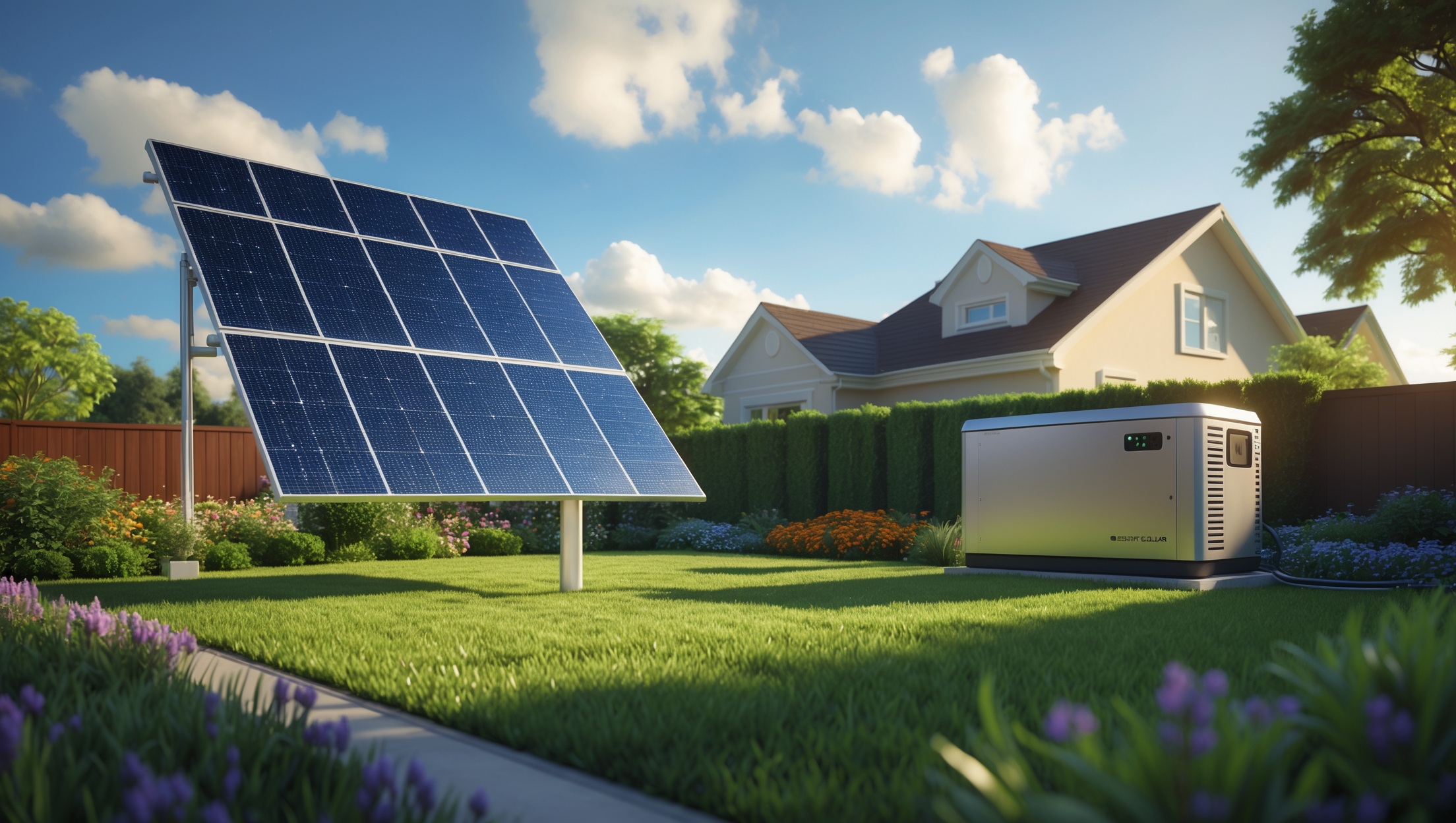
A typical home solar-powered EV charging station consists of several integrated parts:
- Solar Panels: Capture sunlight and convert it to DC electricity.
- Inverter: Converts DC electricity to AC for use by the EV charger (unless using a DC fast charger).
- Charge Controller: Regulates power flow to protect batteries (if the system includes energy storage).
- Battery Storage (optional): Stores excess solar energy for off-peak charging or backup.
- EV Charging Station (Level 2 or higher): Delivers power safely to your electric vehicle.
- Mounting Hardware: Secures solar panels in place.
- Wiring and Connectors: Transmit power among system components.
Each component requires specific maintenance to ensure reliability and longevity. Neglecting even one part can lead to performance issues or safety hazards.
Typical Maintenance Schedule
- Monthly: Visual inspections (panels, charger, wiring, connectors)
- Quarterly: Cleaning solar panels, checking charger firmware, testing ground fault protection
- Annually: Comprehensive electrical checks, inverter diagnostics, mounting hardware inspection, full safety review
- After Severe Weather: Immediate inspection for storm or hail damage
Let’s break down the best practices for each component and maintenance activity.
Solar Panel Maintenance
Visual Inspections
Monthly, walk around your array and look for:
- Cracked or chipped glass
- Obvious dirt, bird droppings, or leaf buildup
- Loose mounting brackets or fasteners
- Corrosion at panel edges or mounting points
- Shading from new tree growth or debris
Address any issues immediately to prevent efficiency loss or hazards.
Cleaning Best Practices
- Clean panels every 3–6 months (more often in dusty or pollen-heavy environments).
- Use a soft brush or squeegee with a telescoping pole.
- Rinse with plain water; avoid harsh detergents or abrasive pads that can scratch glass.
- For stubborn grime, use a mild soap solution and rinse thoroughly.
- Work in early morning or late afternoon to prevent rapid evaporation and streaks.
- Never climb on wet panels—use appropriate safety gear if accessing a rooftop array.
Regular cleaning can boost panel efficiency by up to 15% in dusty regions.
Performance Monitoring
Modern solar systems often include monitoring via a web portal or mobile app. Check your system’s daily and monthly output. Sudden drops in generation may indicate soiling, shading, or equipment malfunction. Set up alerts if your system supports them to catch issues quickly.
Inverter and Charge Controller Care
Inverter Maintenance
- Monthly: Check LED status lights or digital readouts for faults or warnings.
- Quarterly: Dust the inverter’s exterior with a dry cloth. Ensure vents are unobstructed for cooling.
- Annually: Inspect for corrosion on terminals and wiring. Tighten connections if necessary (always shut off power first).
- Listen for unusual noises (buzzing, clicking) which may signal internal issues.
If an error code persists, consult your inverter manual or contact a qualified technician.
Charge Controller Checks
- Verify correct voltage and current readings using the controller’s display or app.
- Inspect for loose or corroded terminals.
- Update firmware if the controller supports it, following manufacturer instructions.
Charge controller failure can lead to overcharging or undercharging batteries, reducing their lifespan.
Battery Storage System (If Installed)
Routine Battery Care
- Keep battery storage areas dry, well-ventilated, and free of dust.
- Check for swelling, leaks, or corrosion on battery terminals monthly.
- Verify charge/discharge cycles and depth of discharge; avoid deep cycling unless the system is designed for it.
- Test backup power functionality twice a year, simulating a grid outage if applicable.
- Clean terminals with a mixture of baking soda and water if corrosion is found (wear gloves and eye protection).
Follow manufacturer guidelines for battery replacement intervals, typically every 7–12 years for lithium-ion batteries.
Battery Monitoring Systems
Many home energy storage systems include monitoring interfaces. Review reports on battery health, state of charge, and error logs monthly. Investigate any anomalies immediately to prevent costly failures.
EV Charger Maintenance
Physical Inspection
- Check the charging cable for cuts, cracks, or exposed wires. Replace at first sign of damage.
- Ensure the charger plug fits snugly into your vehicle’s port; clean contacts gently if needed.
- Look for loose mounting hardware, especially if your charger is outdoors or wall-mounted.
- Inspect the housing for water ingress, rust, or UV damage.
Electrical Safety
- Test ground fault circuit interrupter (GFCI) functionality quarterly (most chargers have a test button).
- Check for tripped breakers or blown fuses in your electrical panel after charging sessions.
- Have a licensed electrician perform a full inspection of the circuit annually, especially for high-power Level 2 or DC fast chargers.
Firmware and Software Updates
- Connect your smart EV charger to Wi-Fi for automatic updates if available.
- Manually check for updates via the manufacturer’s app/website quarterly if auto-updates are not supported.
- Firmware updates can improve charging efficiency and add new features or security patches.
Wiring and Connections
Routine Checks
- Inspect visible wiring for signs of wear, rodent damage, or UV degradation.
- Look for loose, corroded, or overheated connectors—these can be fire hazards.
- Verify that all conduit and cable supports are secure and undamaged.
- If you notice arcing, burning smells, or heat at any connection, shut down the system and call a professional immediately.
Never attempt to service live electrical components unless you are qualified and have shut off all relevant breakers.
Mounting Hardware and Structural Integrity
- Check all bolts, brackets, and supports for signs of rust, fatigue, or movement, especially after severe weather.
- Tighten loose hardware to prevent vibration or shifting, which can damage panels and wiring.
- Look for signs of roof leaks or water pooling under roof-mounted arrays.
- For carport or ground-mount systems, inspect foundations for cracks or heaving.
Address any structural issues promptly to prevent further damage.
System Performance Monitoring
Setting Baseline Metrics
Track your system’s typical daily and seasonal energy output. Use your inverter, battery, or charger’s monitoring tools to log data. This baseline helps you quickly spot performance drops caused by soiling, shading, or component failure.
Troubleshooting Common Issues
- Reduced Solar Output: Check for panel soiling, new shading, or inverter faults.
- Charging Interruptions: Inspect charger cable, test GFCI, and review charger error codes.
- Low Battery Storage: Verify solar input, battery health, and charge controller operation.
- Unusual Noises: Isolate whether sounds are coming from the inverter, charger, or battery; consult a qualified technician if unsure.
Consistent record-keeping is the best way to catch and resolve issues early.
Weather and Seasonal Considerations
Preparing for Winter
- Remove snow from panels using a soft roof rake (never use metal tools).
- Check for ice dams or water accumulation around mounting points.
- Monitor output closely—short winter days may mean less solar generation; plan charging schedules accordingly.
- Test battery backup functionality in case of winter power outages.
Summer Maintenance Tips
- Ensure panels are clear of dust and pollen, which peak in summer months.
- Check inverter and charger cooling fans/vents—clear any obstructions.
- Monitor for higher operating temperatures; excessive heat can reduce battery efficiency and inverter lifespan.
Professional Maintenance and When to Call for Help
Annual Professional Inspection
Even with diligent DIY maintenance, a licensed solar technician should inspect your system annually. They’ll:
- Test electrical system integrity
- Measure insulation resistance
- Update firmware and run diagnostics
- Check for hidden roof leaks or structural issues
- Provide documentation for warranties and insurance
When Immediate Service is Needed
- Repeated tripping of breakers or ground fault protection
- Visible arcing, smoke, or burning smells
- Major drops in system output without an obvious cause
- Water ingress inside inverter, charger, or battery housing
- Physical damage from severe weather or falling debris
Don’t risk injury or void your warranty—call a professional for serious issues.
Extending Lifespan and Maximizing ROI
Best Practices for Longevity
- Follow manufacturer maintenance schedules for all components.
- Keep detailed records of inspections, cleaning, and repairs.
- Invest in surge protection to guard against lightning and grid surges.
- Consider shade management (tree trimming) to maintain maximum solar exposure.
- Upgrade firmware regularly to benefit from new features and improved efficiency.
Maintaining Warranties and Insurance Coverage
- Document all maintenance activities; insurers may require proof after a claim.
- Adhere strictly to installation and maintenance requirements in your system’s warranty.
- Inform your insurer about any major upgrades or repairs to avoid denied claims.
Conclusion
Maintaining your home solar-powered EV charging station is an ongoing commitment that pays off in energy savings, reliability, and peace of mind. By performing regular inspections, keeping your panels clean, staying on top of software updates, and addressing small issues before they become major problems, you’ll ensure that your system continues to deliver clean, cost-effective energy for years to come. Remember, sustainable living isn’t just about installing the latest technology—it’s about nurturing your investment through smart, proactive care. Don’t hesitate to consult professionals for annual inspections or whenever you encounter complex issues. With the right approach, your solar-powered EV charging station will remain a cornerstone of your green lifestyle, powering your journeys with the sun and inspiring others in your community to embrace a cleaner energy future.

What cleaning methods are best for keeping solar panels efficient in areas prone to heavy pollen or dust, and is quarterly cleaning really enough in those conditions?
In areas with heavy pollen or dust, rinsing your solar panels with a hose and using a soft brush with soapy water can help remove buildup without scratching the surface. Avoid harsh chemicals or abrasive tools. Quarterly cleaning might not be enough in these conditions—monthly checks and cleaning, especially during peak pollen or dust seasons, will help maintain maximum efficiency.
If my system includes battery storage for off-peak charging, are there different maintenance steps I should follow compared to setups without batteries? I want to make sure I’m not missing anything that could shorten my battery life.
Yes, if your system includes battery storage, there are extra maintenance steps to consider. Regularly check battery connections for corrosion or looseness, monitor battery charge levels, and inspect for swelling or leaks. Keep the battery area clean and well-ventilated, and follow manufacturer guidelines for temperature and charging cycles. This helps maximize your battery’s lifespan and performance, which isn’t necessary for setups without storage.
As a small business owner considering installing a solar-powered EV charging station at my property, I’m wondering how challenging the regular cleaning of solar panels is, especially during winter months. Do you have advice on safe methods or tools to use for panel maintenance in colder climates?
Cleaning solar panels in winter can be a bit more challenging due to snow and icy conditions, but it’s manageable with the right approach. Use a soft-bristled brush with a telescoping handle to gently remove snow without scratching the panels. Avoid using hot water, as this can cause the glass to crack. If ice builds up, let it melt naturally instead of trying to chip it off. Always prioritize safety—if the roof is slippery, consider hiring a professional to handle maintenance.
For parents who juggle a lot, how much time should I realistically set aside each month and quarter to keep up with the recommended inspections and cleaning you mentioned?
For busy parents, you can expect to spend about 30–45 minutes each month on basic inspections and cleaning of your home solar-powered EV charging station. Each quarter, set aside an additional 30–60 minutes for a more thorough check, such as inspecting wiring and monitoring system performance. Scheduling these routine tasks alongside other household maintenance can help make them more manageable.
For those living in areas with lots of tree pollen or dust, do you recommend adjusting the quarterly panel cleaning schedule? Or is there an optimal cleaning frequency for maximizing solar output in those conditions?
In areas with heavy tree pollen or dust, it’s a good idea to clean your solar panels more frequently than the typical quarterly schedule. Monthly checks are recommended, and you should clean the panels whenever you notice a visible buildup. This helps ensure maximum sunlight reaches the panels and maintains optimal charging performance for your EV.