
Introduction
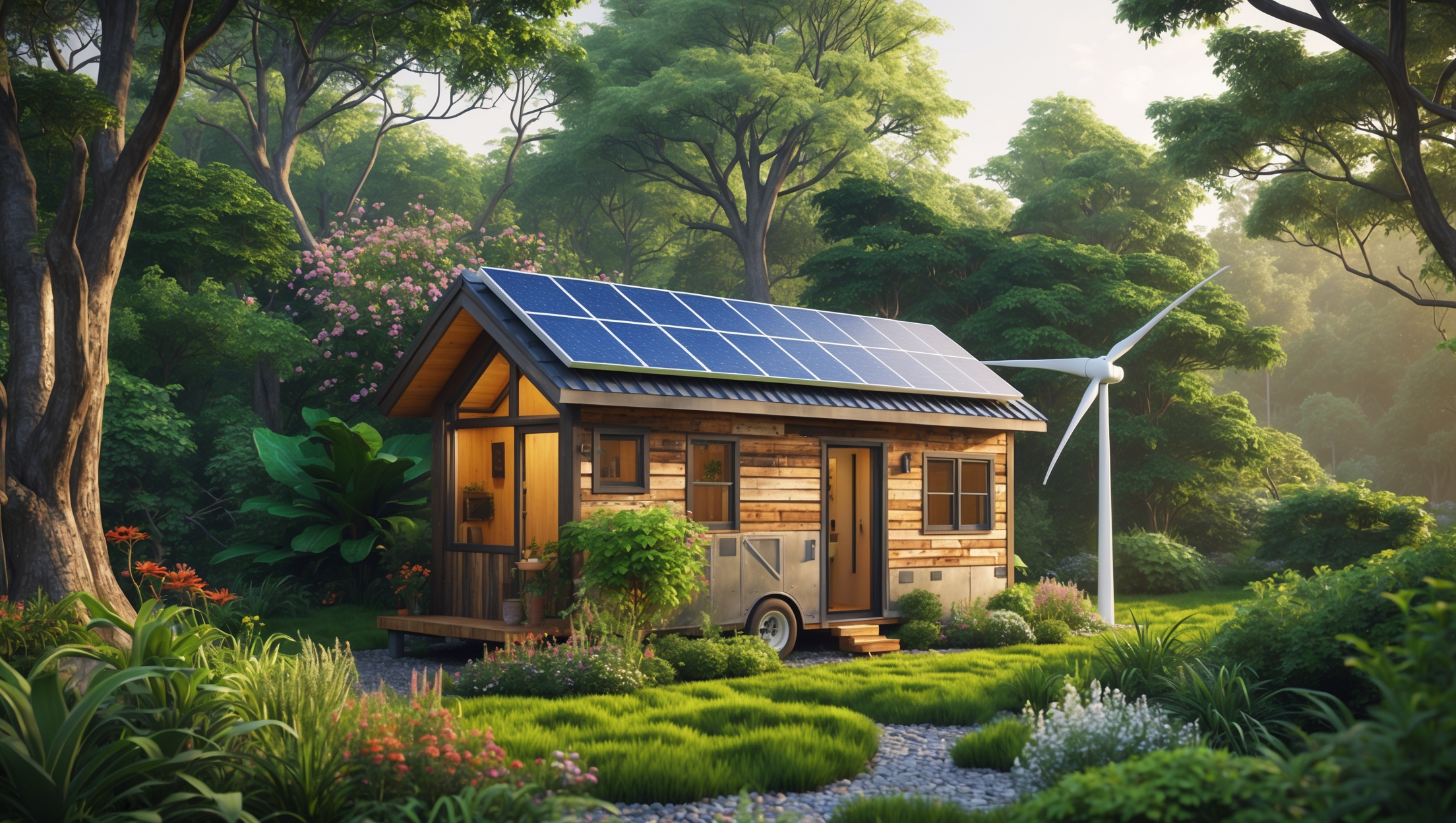
Off-grid tiny homes represent a growing movement toward sustainable, minimalist living. These compact dwellings offer independence from traditional utilities, reduced environmental footprints, and the freedom to live closer to nature. Solar panels, rainwater harvesting, composting toilets, and innovative insulation are hallmarks of these homes. However, while the rewards of off-grid tiny life are significant, so are the unique challenges—especially when it comes to insurance.
Many aspiring and current tiny homeowners discover that securing appropriate insurance coverage is more complex than insuring a conventional house. Off-grid setups, unconventional construction methods, and remote locations all introduce risks that standard home insurance policies may not address. Insurers may hesitate due to concerns about fire protection, theft, or code compliance. Without proper coverage, owners risk financial loss if disaster strikes. This comprehensive guide demystifies the insurance landscape for off-grid tiny homes, helping you navigate the unique risk factors, policy types, cost considerations, and best practices for securing your sustainable investment.
Why Off-Grid Tiny Homes Face Unique Insurance Challenges
Unconventional Construction and Location
Many tiny homes are built using alternative materials, innovative insulation, or DIY techniques. Some are on wheels, others on permanent foundations; many are located in rural or remote areas to fully embrace off-grid living. Insurers often view these factors as higher risk due to:
- Lack of standard building codes or inspections
- Distance from fire stations or emergency services
- Difficulty verifying construction quality
- Increased likelihood of natural hazards (e.g., wildfire, flood, wind)
Off-Grid Systems and Their Risks
The renewable energy systems that power off-grid tiny homes—such as solar panels, wind turbines, and battery banks—may not be familiar to all insurers. Potential concerns include:
- Fire risk from electrical systems or battery storage
- Water damage from rainwater harvesting or greywater reuse
- Liability issues from composting toilets or unconventional plumbing
Mobility and Zoning
Tiny homes on wheels (THOWs) blur the line between a house and a vehicle. Depending on how and where the home is used, it may require different types of coverage—akin to RV or mobile home insurance rather than traditional homeowners insurance. Zoning and permitting status also affect eligibility for certain policies.
Types of Insurance Policies for Off-Grid Tiny Homes
Tiny Homeowners Insurance
Some specialty insurers offer policies specifically designed for tiny homes. These may cover both mobile and stationary tiny houses, provided certain construction and safety standards are met. Coverage typically includes:
- Dwelling protection (structure)
- Personal property coverage
- Liability protection
- Additional living expenses (in case of loss of use)
However, these policies may exclude off-grid systems unless explicitly declared and inspected.
Mobile Home or Manufactured Home Insurance
If your tiny home is built on a permanent chassis and registered as a manufactured or mobile home, you may be eligible for this type of coverage. It usually covers:
- Physical damage (fire, wind, hail, vandalism)
- Liability
- Personal property
Limitations may apply if the home is off-grid or parked on undeveloped land.
RV Insurance
Tiny homes built to RV standards and certified by the RV Industry Association (RVIA) may qualify for recreational vehicle insurance, especially if they are frequently moved or used for travel. Coverage includes:
- Collision and comprehensive
- Liability (on and off the road)
- Personal effects
This is often a practical option for nomadic tiny homeowners.
Builder’s Risk or Custom Policies
Some owners work with insurance agents to create custom or builder’s risk policies that cover unique construction methods, off-grid energy systems, and non-traditional structures. These bespoke policies may be more expensive but provide tailored protection.
Core Coverage Areas: What Off-Grid Tiny Homeowners Need
Structural Coverage
Protects against physical damage to the tiny home from fire, storms, theft, vandalism, and certain natural disasters. Ensure your policy covers alternative materials, such as SIPs, timber framing, or metal cladding, as well as the renewable energy infrastructure attached to the dwelling.
Personal Property Coverage
Covers belongings inside the home, including electronics, clothing, off-grid appliances, and tools. For those who work remotely or run a business from their tiny house, consider additional endorsements for business property.
Liability Coverage
Provides protection if someone is injured on your property or if your home causes damage to others (e.g., a fire spreads to a neighbor’s land). Off-grid systems introduce unique liability exposures, such as battery fires or water contamination issues, so verify these are not excluded from your policy.
Additional Living Expenses
If your tiny home becomes uninhabitable after a covered loss, this coverage helps pay for temporary housing and related costs.
Factors That Influence Insurance Costs and Availability
Location and Risk Profile
Insurers assess risk based on the home’s location, including:
- Proximity to fire stations and hydrants
- Local wildfire, flood, or severe weather risk
- Crime rates in rural or remote areas
Remote off-grid sites often face higher premiums or limited options.
Construction Standards and Certifications
Tiny homes built to recognized standards (such as IRC Appendix Q, NOAH, or RVIA) and inspected by professionals are easier (and cheaper) to insure. Documentation of materials, electrical systems, fire safety features, and off-grid energy installations can help.
Off-Grid System Safety
Properly installed solar, wind, and battery systems that adhere to code and manufacturer instructions lower risk. Insurers may require:
- Electrical inspections
- Battery storage fire barriers
- Surge protection and automatic disconnects
Occupancy and Use
Full-time residences generally require more comprehensive coverage than vacation homes or part-time rentals. Short-term rentals (e.g., Airbnb) introduce additional risks and may require special endorsements or separate policies.
Practical Steps to Secure Insurance for Your Off-Grid Tiny Home
1. Document Everything
- Keep records of all construction, inspections, and certifications.
- Take photos of the build, electrical systems, and installed safety features.
- Maintain manuals and receipts for solar panels, batteries, and other off-grid tech.
2. Shop for Specialized Insurers
- Research companies that specifically cover tiny homes, off-grid dwellings, or alternative housing (e.g., Strategic Insurance Agency, Darrell Grenz Insurance, Foremost, State Farm in some states).
- Contact local agents familiar with rural and alternative construction policies.
3. Prepare a Safety and Maintenance Plan
- Install smoke and carbon monoxide detectors (battery-operated if off-grid).
- Implement fire barriers around battery banks and wood stoves.
- Keep fire extinguishers and first aid kits accessible.
- Perform regular maintenance on solar, electrical, and plumbing systems.
4. Be Transparent About Off-Grid Features
Clearly disclose all off-grid systems and unconventional features during the application process. Concealing these can lead to denied claims later.
5. Evaluate Policy Exclusions
Read the fine print to understand what is not covered—especially regarding fire, flood, wind, or liability arising from off-grid systems. Ask about riders or endorsements to fill coverage gaps.
6. Consider Bundling and Raising Deductibles
If you own land, vehicles, or other insurable assets, bundling policies can sometimes lower costs. Raising your deductible can also reduce premiums if you have an emergency fund available.
Cost Breakdown: What to Expect
Insurance costs for off-grid tiny homes vary widely, but here are ballpark ranges and key influences:
- Annual Premiums: $500–$2,000, depending on location, value, and coverage type.
- Deductibles: Typically $500–$2,500 per claim.
- Discounts: Available for certified construction, safety features, and bundling.
- Extra Costs: Expect higher premiums for homes in wildfire or flood zones, or for unpermitted structures.
Be prepared to pay more for custom or specialty coverage, or if you rent out your tiny home.
Case Examples: Real-World Insurance Scenarios
Case 1: Stationary, Owner-Built Tiny Home in Rural Colorado
- Home built using SIPs, solar power, and composting toilet.
- Policy: Custom dwelling insurance from a specialty provider, requiring proof of third-party inspections and fire safety measures.
- Annual premium: $1,200, with coverage for structure, contents, and liability.
Case 2: Tiny Home on Wheels (THOW) in Oregon, Used as Airbnb
- Certified to RVIA standards, parked on private land with solar and propane systems.
- Policy: Combination of RV insurance and commercial rental endorsement.
- Annual premium: $1,800, with higher liability limits due to rental use.
Case 3: Off-Grid Tiny Home Community in Vermont
- Group policy negotiated for several certified, stationary tiny homes on leased land.
- Policy: Master insurance covering individual dwellings, communal infrastructure, and general liability.
- Annual premium per home: $900, thanks to group discount and robust fire prevention systems.
Frequently Overlooked Risks and How to Address Them
Wildfire and Natural Disaster Exposure
Many off-grid tiny homes are built in forested or rural locations, increasing wildfire risk. Consider:
- Creating defensible space around your home (clear brush, trim trees).
- Using fire-resistant roofing and siding materials.
- Installing water tanks or pumps for emergency fire suppression.
- Ensuring your policy does not exclude wildfire coverage.
Theft and Vandalism
Remote homes can be targets for theft, especially if vacant for stretches. Risk mitigation includes:
- Motion-sensor lighting and surveillance cameras (solar-powered options available).
- Securing doors, windows, and exterior storage.
- Requesting coverage for theft and vandalism, and documenting belongings for claims.
Liability from Off-Grid Utilities
Improperly installed or maintained power and water systems can cause injury or property damage. Protect yourself by:
- Hiring licensed professionals for electrical and plumbing work.
- Documenting all installations and maintenance.
- Verifying that your policy covers accidents related to off-grid systems.
Tips for Making Your Off-Grid Tiny Home More Insurable
- Build to a recognized code or standard (IRC, NOAH, or RVIA).
- Obtain all necessary permits and inspections, even if not strictly required.
- Install robust safety systems: smoke/CO detectors, fire extinguishers, GFCI outlets, surge protection.
- Keep up with regular inspections and maintenance logs.
- Work with insurance agents who understand alternative housing.
Conclusion
Insuring an off-grid tiny home is an essential—yet often overlooked—aspect of sustainable living. The unique risks posed by unconventional construction, alternative power systems, and remote locations make standard homeowners insurance insufficient for these dwellings. However, with careful planning, transparent communication, and a proactive approach to safety and documentation, it is possible to secure robust coverage that protects your investment and peace of mind.
Start by understanding the specific risks your home faces: from wildfires and extreme weather to liability arising from renewable energy systems. Choose your construction methods and safety features with insurability in mind, and meticulously document every detail of your build. Seek out insurers who specialize in alternative and tiny home insurance, and don’t shy away from asking questions about policy exclusions or special endorsements for off-grid technologies. Remember that regular maintenance, safety upgrades, and compliance with recognized codes not only reduce your risk but can also lower your premiums.
Ultimately, insurance is more than a legal or financial box to check—it’s a critical part of building resilience into your off-grid lifestyle. By addressing this piece of the puzzle with the same care and intention as your home’s design and energy systems, you’ll ensure that your sustainable dream remains secure, no matter what challenges the future may bring.

You mentioned that off-grid tiny homes often use alternative construction materials and DIY methods. If my tiny house was built with recycled or unconventional materials, are there certain insurers that are more likely to provide coverage, or do I need to take extra steps to qualify?
Insurers can be cautious about covering homes built with recycled or unconventional materials, especially if the construction was DIY. Some specialty insurance companies are more willing to work with unique builds, but you might need to provide detailed documentation, photos, and proof that the structure meets local safety codes. In some cases, an inspection or certification from a qualified builder can help improve your chances of getting coverage.
It sounds like code compliance is a big factor for insurers. For a tiny home owner who built themselves without following every standard building code, what are the options for getting any sort of basic coverage?
Insurers often prioritize code compliance because it lowers risk, so options can be limited if your tiny home doesn’t meet all building codes. However, some specialty insurers or surplus lines companies may consider offering limited coverage, like personal property or liability, rather than full structure insurance. It helps to document your build process, safety features, and maintenance. Contacting an insurance broker familiar with tiny homes can improve your chances of finding suitable basic coverage.
For people building a tiny house themselves on a permanent foundation in a rural spot, what key steps should they take during construction to improve insurability and meet code compliance requirements?
When building your tiny house on a permanent foundation, make sure you follow local building codes and obtain all necessary permits before starting construction. Use licensed contractors for electrical and plumbing work, document your build process with photos and receipts, and install safety features like smoke detectors and fire extinguishers. These steps can help with smooth code inspections and make it much easier to get insurance coverage.
Given that many off-grid tiny homes are far from fire stations or emergency services, do insurers charge a lot more for coverage in these situations? If so, are there any cost-effective steps homeowners can take to lower those rates?
Insurers often do charge higher premiums for off-grid tiny homes located far from fire stations or emergency services because of the increased risk. To help reduce these costs, you can install fire prevention features like sprinkler systems, smoke detectors, and fire-resistant building materials. Creating defensible space by clearing brush and maintaining access roads for emergency vehicles can also make your property more insurable and potentially lower premiums.
We did most of our own construction using unconventional methods. Would getting inspections or certifications afterward help satisfy insurance company concerns about building quality or code compliance?
Yes, having your tiny home inspected or certified after construction can help address insurance company concerns about quality and code compliance. Many insurers want proof that the structure meets safety standards, especially if unconventional methods were used. Independent inspections, certifications, or proof of adherence to relevant codes can make it easier to secure coverage and may even broaden your policy options.
If my tiny home uses a mix of solar power and a backup generator, are there specific risks policies tend to exclude, or do I need to get extra coverage for those systems?
Insurance policies for off-grid tiny homes often have specific exclusions or limitations related to alternative power sources like solar panels and generators. Many standard policies may not automatically cover damage or liability from these systems, so you might need to add extra coverage, such as equipment breakdown or specialized endorsements. It’s wise to discuss your setup with your insurer to ensure your systems are fully protected.