Introduction: Why Safety Matters in DIY Home Battery Backup Installations
Home battery backup systems have surged in popularity as more homeowners seek reliable, sustainable energy solutions that pair with solar panels or provide critical power during outages. Whether you’re motivated by energy independence, grid instability, or environmental concerns, installing your own battery backup system can be a rewarding project that enhances your home’s resilience. However, these systems store significant amounts of electrical energy and can pose serious hazards—such as electrical shock, fire risk, and toxic chemical exposure—if not handled with care. That’s why a robust safety procedure is not just a best practice, but an absolute necessity.
This guide provides a comprehensive safety checklist for anyone planning a DIY home battery backup installation. We’ll cover essential steps before, during, and after installation, highlight compliance with local codes, and detail practical measures to prevent accidents. Whether you’re considering lithium-ion, lead-acid, or newer chemistries, following these safety protocols is critical to enjoy the benefits of backup power without compromising your wellbeing or property. Let’s power up responsibly and set a new gold standard for safe, sustainable energy at home.
Pre-Installation Safety Steps
1. Research Battery Types and Hazards
- Understand the Chemistry: Lithium-ion, lead-acid, and saltwater batteries have different risks. Lithium-ion offers high density but poses greater fire hazards. Lead-acid requires ventilation due to off-gassing.
- Manufacturer Guidelines: Always consult the specific installation and safety manual for your chosen battery model.
- Local Fire Codes: Check with local authorities about fire code requirements for home energy storage systems.
2. Choose a Safe Installation Location
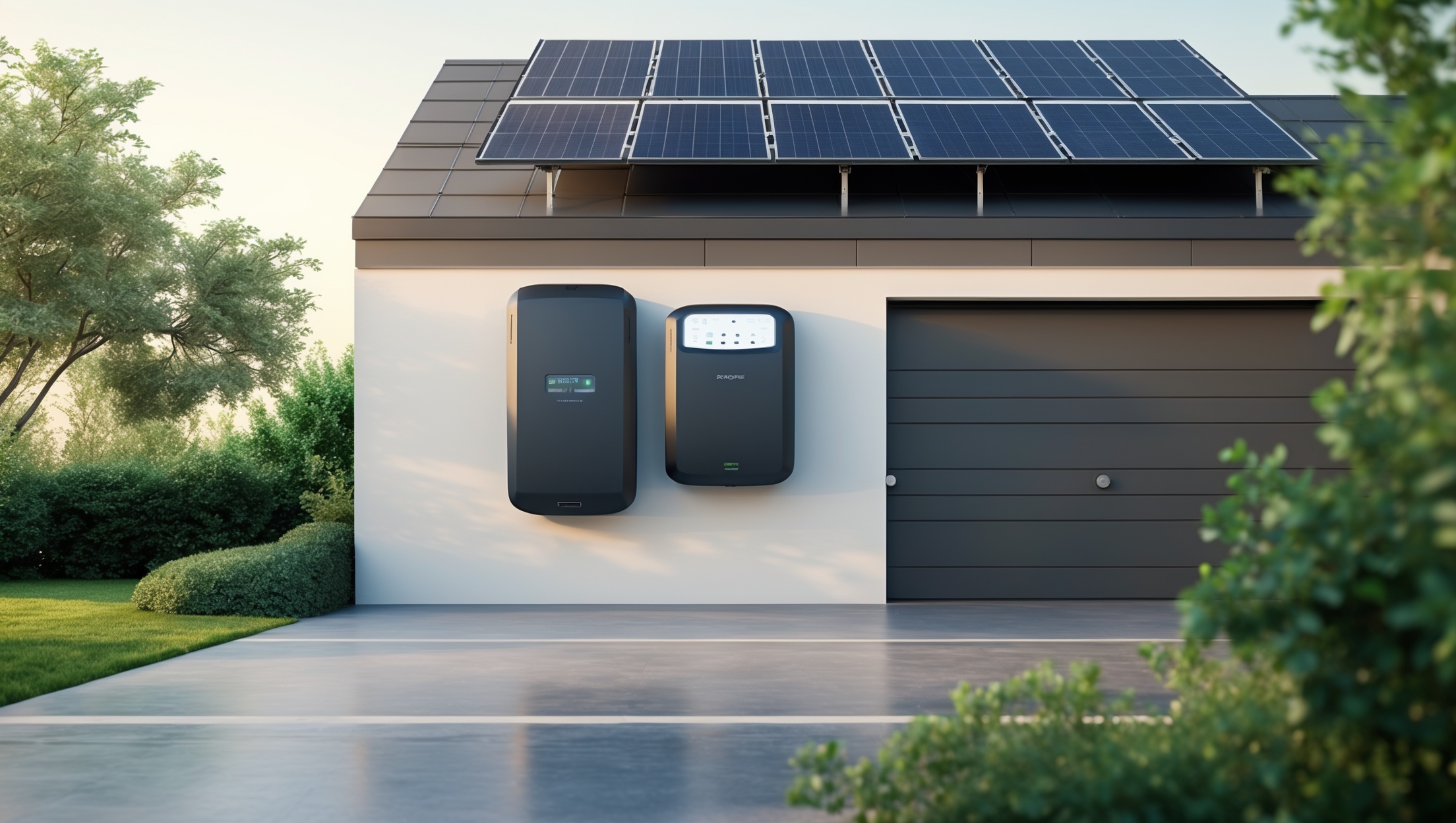
- Dry, Cool, and Ventilated Space: Avoid damp basements or cramped closets. Garages, utility rooms, or purpose-built enclosures are ideal.
- Away from Living Areas: Install batteries away from bedrooms and high-traffic areas to minimize risk in case of malfunction.
- Stable, Non-Flammable Surface: Use fire-resistant backing board or concrete for wall-mounted systems.
3. Assess Electrical Service and Load
- Panel Capacity: Confirm your main electrical panel can handle the additional load and connections.
- Dedicated Circuits: Plan for isolated circuits for the battery system, separated from sensitive appliances.
- Load Calculation: Calculate peak power draw to size cables and breakers correctly.
4. Personal Safety Equipment Checklist
- Insulated gloves rated for high voltage
- Safety goggles (ANSI Z87.1 or equivalent)
- Non-conductive footwear
- Long-sleeve, flame-resistant clothing
- Class ABC fire extinguisher (specifically rated for electrical and lithium-ion fires)
- First aid kit and emergency eye wash station
5. Obtain Permits and Notify Utility
- Electrical Permit: Secure necessary permits prior to starting work—most municipalities require this for battery systems.
- Utility Notification: Inform your power company if the system will interact with the grid, even in backup-only mode.
Installation Safety Procedures
6. Site Preparation
- Clear the Area: Remove clutter, flammable materials, and unrelated tools from the installation site.
- Mark Emergency Exits: Ensure clear, unobstructed paths to exits.
- Plan for Ventilation: Install ventilation fans or passive vents if required by battery chemistry or manufacturer.
7. Handling and Mounting Batteries
- Unpack Carefully: Inspect for damage—never install a battery with visible defects.
- Use Lifting Equipment: Batteries are heavy; use dollies or team lifts to avoid injury.
- Secure Mounting: Use manufacturer-approved brackets and anchors. Wall-mounted systems must be anchored to studs or masonry—not drywall alone.
8. Electrical Connections
- De-Energize Circuits: Turn off main breakers and verify with a voltage tester before making connections.
- Correct Polarity: Double-check positive and negative terminals; reverse connection can destroy batteries or cause fires.
- Torque Specifications: Tighten all lugs and terminals to manufacturer specs to prevent arcing.
- Use Approved Cabling: Only use cables rated for voltage and amperage; avoid undersized wiring.
- Install Fuses and Breakers: Every battery string should have a fuse or breaker close to the positive terminal.
- Grounding: Properly bond the battery system to the home’s ground to prevent shock hazards.
9. Fire Safety and Suppression
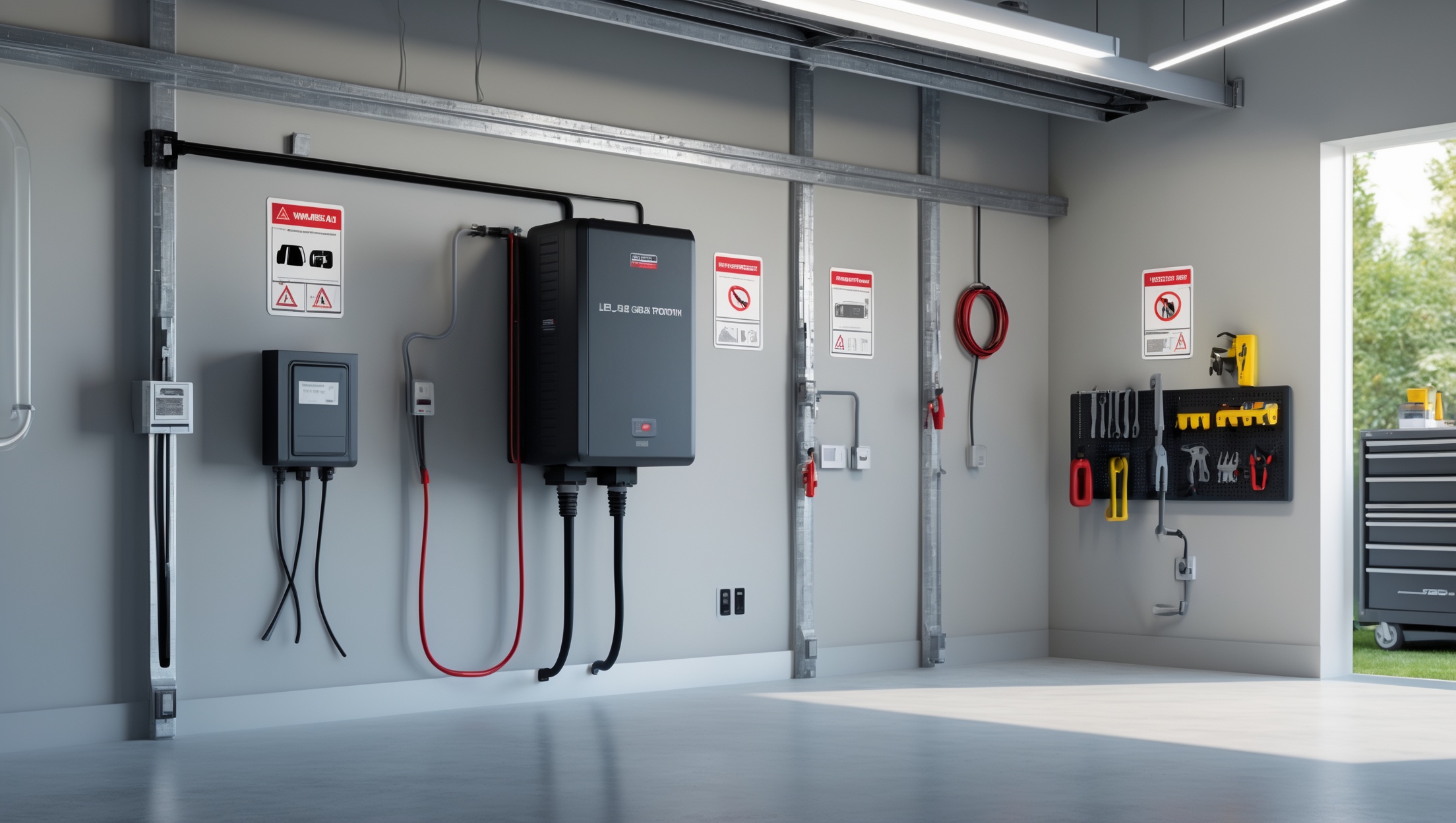
- Fire Extinguisher Placement: Mount a class ABC extinguisher within reach but away from the battery itself.
- Smoke Detectors: Install smoke and heat detectors in the battery area, interconnected to your home alarm system if possible.
- Thermal Barriers: For lithium-ion, consider fire-resistant enclosures or shields between the battery and combustibles.
10. Ventilation and Off-Gas Management
- Lead-Acid Batteries: Must have active or passive ventilation to dissipate hydrogen gas. Install vent fans or ducts as per code.
- Lithium-Ion and Other Chemistries: While generally sealed, overheating can cause off-gassing; ensure area ventilation is adequate.
- Check Airflow: Use smoke sticks or anemometers to verify air movement during and after installation.
Post-Installation Safety and Maintenance
11. Initial System Testing
- Double-Check Connections: Perform a thorough inspection before energizing the system.
- Slow Power-Up: Energize circuits incrementally and monitor for heat, sparks, or abnormal noises.
- Monitor with Meters: Use a multimeter and clamp meter to check voltages and currents during initial operation.
- Commissioning Log: Record test results and keep logs for troubleshooting and warranty purposes.
12. Ongoing Safety Practices
- Routine Inspections: Check for corrosion, loose terminals, and physical damage monthly.
- Ventilation Maintenance: Clean vents and check fans quarterly to avoid blockages.
- Firmware Updates: If using a smart battery system, keep software up to date for optimal safety features.
- Emergency Drill: Conduct family drills for fire or chemical emergencies related to the battery.
13. Emergency Response Planning
- Emergency Shutoff: Label a clearly accessible emergency disconnect switch.
- First Responder Information: Place a laminated emergency info sheet near the installation, detailing battery type, shutoff location, and hazards.
- Battery Disposal: Know proper procedures for recycling or handling damaged batteries; never dispose of in household waste.
14. Record-Keeping and Documentation
- Permits and Inspections: Keep copies of all permits, inspection reports, and signoffs for insurance and resale value.
- User Manual: Store the battery and inverter manuals in a waterproof folder near the installation.
- Maintenance Log: Maintain a dated log of all inspections, maintenance, and firmware upgrades.
Frequently Overlooked Safety Details
- Children and Pets: Install childproof barriers and keep pets away from battery rooms.
- Humidity Control: Use dehumidifiers in damp areas to prevent condensation and corrosion.
- Lightning Protection: Install surge protectors or lightning arrestors if your area is prone to storms.
- Signage: Post clear warning labels about high voltage and fire risks.
- Insurance Update: Notify your home insurer about the new battery system to ensure coverage for fire or damage claims.
Conclusion: Empowering Safety for Sustainable Energy
Installing a home battery backup system is a powerful step toward energy independence and resilience, but safety must be your first priority at every stage. By carefully following the checklist above—from initial research and site selection to electrical connections, fire safety, and ongoing maintenance—you’ll dramatically reduce the risk of accidents and maximize the performance of your investment. Remember, even the most advanced battery systems rely on proper handling, code compliance, and vigilant routine care. Consult professionals whenever in doubt, and never skip steps—your home, health, and the environment deserve nothing less.
As home battery technologies evolve and become more accessible, robust safety practices will ensure that the green energy revolution remains both empowering and secure for everyone. By sharing your experience and commitment to safety, you can inspire others to adopt sustainable energy solutions responsibly. Let’s set the standard for safe, sustainable living—one installation at a time.