Introduction: Why Smart Home Energy Monitoring Matters
With energy costs rising and climate change concerns mounting, more homeowners are turning to smart energy monitoring systems. These devices, including whole-home monitors, smart plugs, and real-time energy dashboards, promise to empower residents to track, analyze, and ultimately reduce their electricity use. The potential is immense: granular energy data can highlight hidden waste, inform the return-on-investment for upgrades, and even enable automated efficiency through integration with other smart home devices. However, as adoption increases, so do the reports of unsatisfactory results, integration headaches, and misleading data. Many of these frustrations stem from common mistakes made during selection, installation, and ongoing use of energy monitoring technology. In this guide, we’ll explore the most frequent pitfalls new users encounter when integrating smart home energy monitors—along with expert strategies to avoid them. Whether you’re aiming for a more sustainable lifestyle, lower bills, or a smarter home, understanding these challenges is essential for success.
Understanding Smart Home Energy Monitoring: The Basics
What Are Smart Home Energy Monitors?
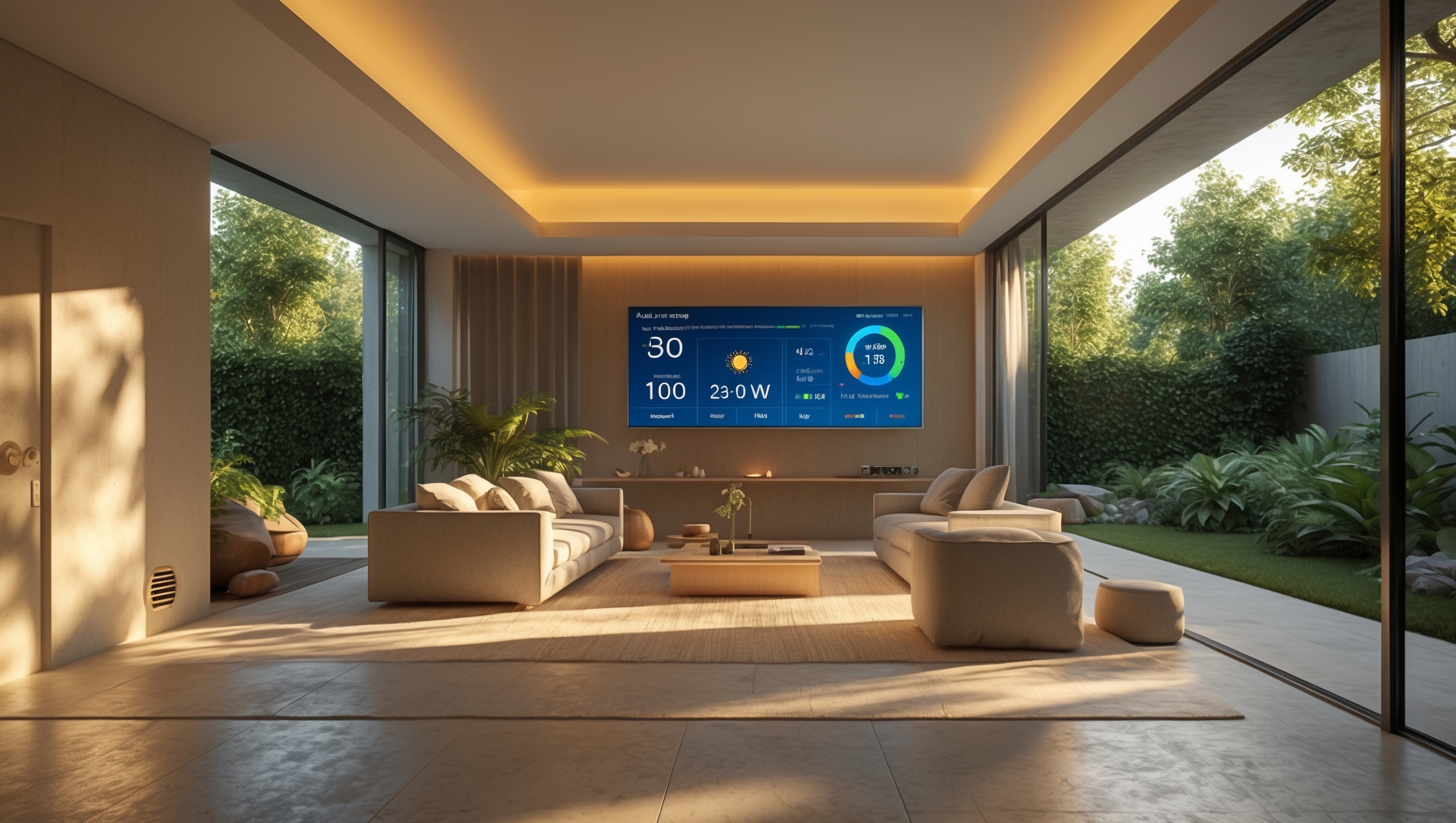
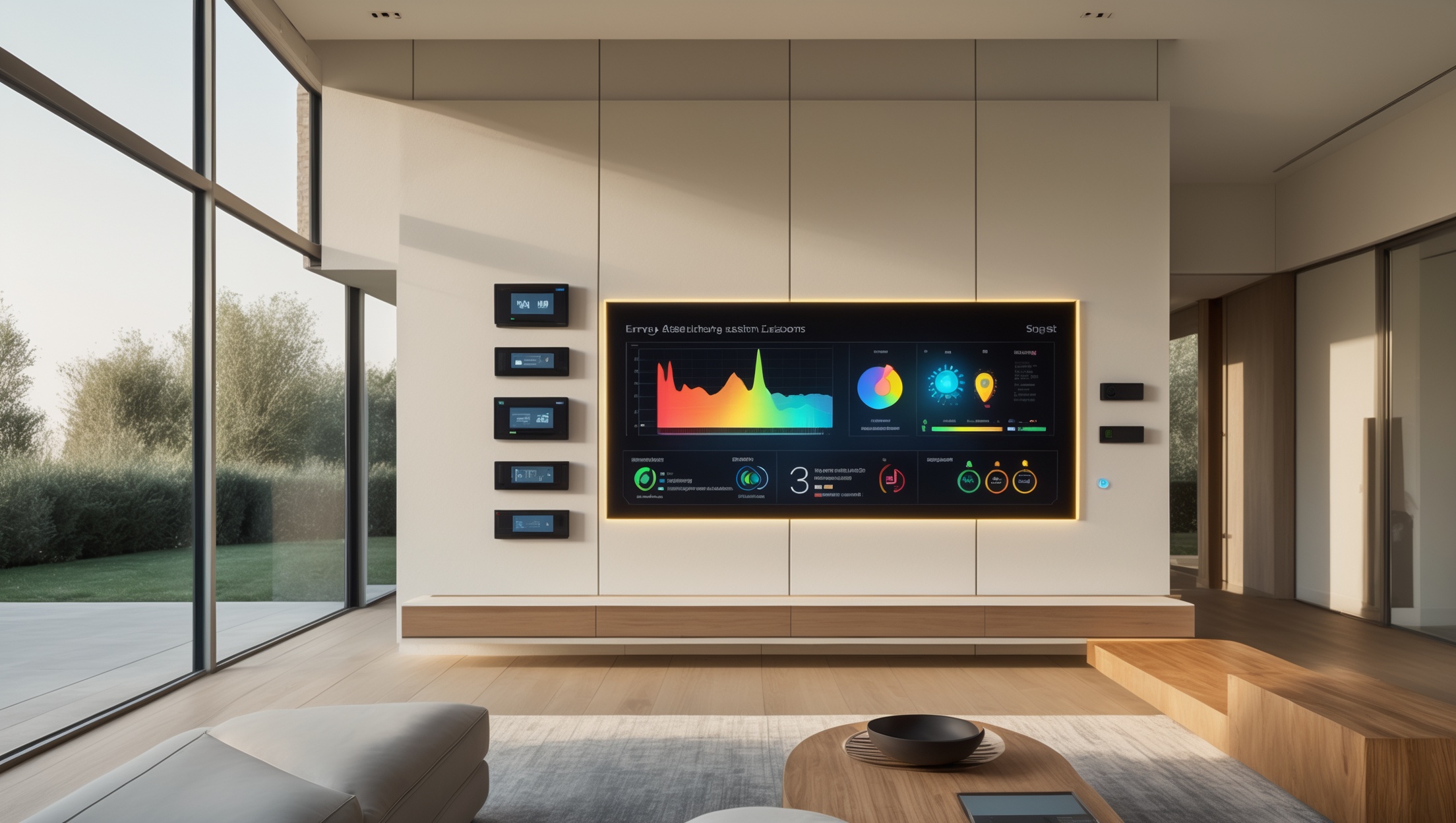
Smart home energy monitors are devices designed to measure and track electricity usage in real time. They typically consist of hardware (sensors, current transformers, or plug-in modules) and a software dashboard accessible via smartphone or computer. Data can be as broad as whole-home consumption, or as granular as individual appliance usage.
Benefits of Accurate Energy Monitoring
- Pinpoints energy hogs in your home
- Reveals opportunities for behavioral or equipment changes
- Enables automation for efficiency (e.g., scheduling devices when rates are lowest)
- Provides data to support investments in solar, batteries, or efficiency upgrades
Beginner Mistake #1: Choosing the Wrong Type of Monitor
Many first-time users purchase the first monitor they find online, only to be disappointed by its limitations. Not all monitors suit every home or goal.
Key Considerations Before Buying
- Electrical Panel Compatibility: Does your home use single-phase or three-phase wiring? Is your panel accessible and safe for sensor installation?
- Monitoring Scope: Whole-home sensors track total usage, while smart plugs or circuit-level monitors provide granular control. Choose based on whether you want broad trends or appliance-level detail.
- Data Integration: Will the system integrate with your current smart home ecosystem (Alexa, Google Home, HomeKit, etc.)?
- Solar and Battery Support: If you have or plan to install renewable energy, ensure your monitor can track both consumption and generation.
- Network Requirements: Does your Wi-Fi reach your electrical panel? Some monitors require Ethernet or Zigbee/Z-Wave hubs.
Skipping these checks leads to wasted money and frustration—such as installing a monitor that can’t recognize your solar output, or one that repeatedly loses connection.
Beginner Mistake #2: Poor Installation Practices
Even the best monitor can’t deliver value if installed incorrectly. Some users attempt DIY installation without the electrical knowledge required, risking poor data—or personal safety.
Common Installation Errors
- Incorrect Sensor Placement: Placing current transformers (CTs) on the wrong wires or circuits results in incomplete or misleading readings.
- Loose Connections: Poorly attached sensors can intermittently lose data, leading to gaps in monitoring.
- Neglecting Calibration: Failing to calibrate the system (if required) means your monitor may over- or under-report usage.
- Ignoring Electrical Safety: Working inside a live panel poses serious hazards. If in doubt, always hire a licensed electrician.
Beginner Mistake #3: Overlooking Network and Software Requirements
Smart monitors rely on stable network connections for real-time data reporting and control. Many homeowners discover too late that their Wi-Fi signal is weak where the monitor is installed, or that their router cannot handle the extra devices.
Tips for Seamless Connectivity
- Test Wi-Fi or Ethernet strength at your electrical panel before purchase.
- Consider mesh networks or range extenders if signal is weak.
- Check for software compatibility with your smartphone, tablet, or home automation platform.
- Read reviews about app reliability and software updates before committing to a brand.
Beginner Mistake #4: Misinterpreting or Ignoring Data
Having detailed energy data is only valuable if you know how to interpret and act on it. Many users install a monitor, glance at the dashboard, and make no changes—missing the system’s potential.
How to Make Data Actionable
- Set up alerts for unusual spikes in consumption.
- Use historical data to identify patterns (e.g., high usage during specific hours).
- Compare appliance-level reports to manufacturer specifications to spot inefficiencies.
- Share data with energy auditors or contractors for targeted upgrades.
Most systems offer tips or AI-driven suggestions—take advantage of them, and regularly review your data to identify new savings opportunities.
Beginner Mistake #5: Failing to Account for Privacy and Data Security
Smart home devices collect detailed information about your daily routines and device usage. Many homeowners don’t realize that poorly secured devices can expose sensitive data, or that some companies may share usage data with third parties.
Protecting Your Privacy
- Choose reputable brands with clear privacy policies.
- Change default passwords and keep firmware updated.
- Consider monitors that store data locally, rather than exclusively in the cloud.
- Review and adjust privacy settings in the app to limit data sharing.
Beginner Mistake #6: Ignoring Ongoing Maintenance and Updates
Smart monitors are not set-and-forget devices. Over time, software updates, hardware wear, or home electrical changes can impact performance.
Best Practices for Longevity
- Regularly check for and install firmware and app updates.
- Periodically inspect physical sensors for dust, wear, or loose connections.
- Update device settings if you renovate or add new major appliances.
- Back up your data if possible, especially if contemplating system upgrades or replacements.
Beginner Mistake #7: Expecting Immediate or Unrealistic Savings
Some users expect their energy bills to plummet the moment they install a monitor. In reality, the device only reveals opportunities—it doesn’t automatically reduce usage. Savings depend on your willingness to adjust habits, replace inefficient equipment, or automate smart devices based on the data provided.
Setting Realistic Expectations
- View your monitor as a diagnostic tool, not a direct savings device.
- Plan to review data weekly and implement at least one change each month.
- Track your progress and celebrate incremental improvements over time.
Additional Expert Tips for Successful Energy Monitoring
- Integrate with Automation: Link your monitor to smart thermostats, lights, or EV chargers to automate efficiency based on real-time data.
- Educate Household Members: Share insights with everyone in the home so everyone can contribute to savings.
- Consult Professionals: If your data reveals persistent high usage, consider a professional energy audit for deeper analysis and solutions.
- Plan for Expansion: Choose a monitoring platform that allows for future integration with solar, batteries, or new smart devices as your needs evolve.
Conclusion: Unlocking the True Value of Smart Home Energy Monitoring
Smart home energy monitoring systems can be game-changers for sustainable living, but only when implemented thoughtfully. By avoiding common mistakes—such as choosing the wrong hardware, neglecting installation best practices, overlooking data insights, or ignoring ongoing maintenance—you set yourself up for accurate data, actionable savings, and a smarter, greener home. The technology is powerful, but it’s not magic: the real value comes from your engagement with the data and your willingness to adapt based on what you learn.
Remember, the goal isn’t just lower energy bills—it’s greater resilience, reduced environmental impact, and a home that supports your values. When you approach smart energy monitoring as an ongoing journey rather than a one-time fix, you’ll be far better equipped to adapt to changing energy landscapes, take advantage of new technologies as they emerge, and truly lead the way toward a more sustainable future. Invest in the right tools, stay curious about your energy habits, and use your monitor as both a teacher and a partner on your path to greener living.