
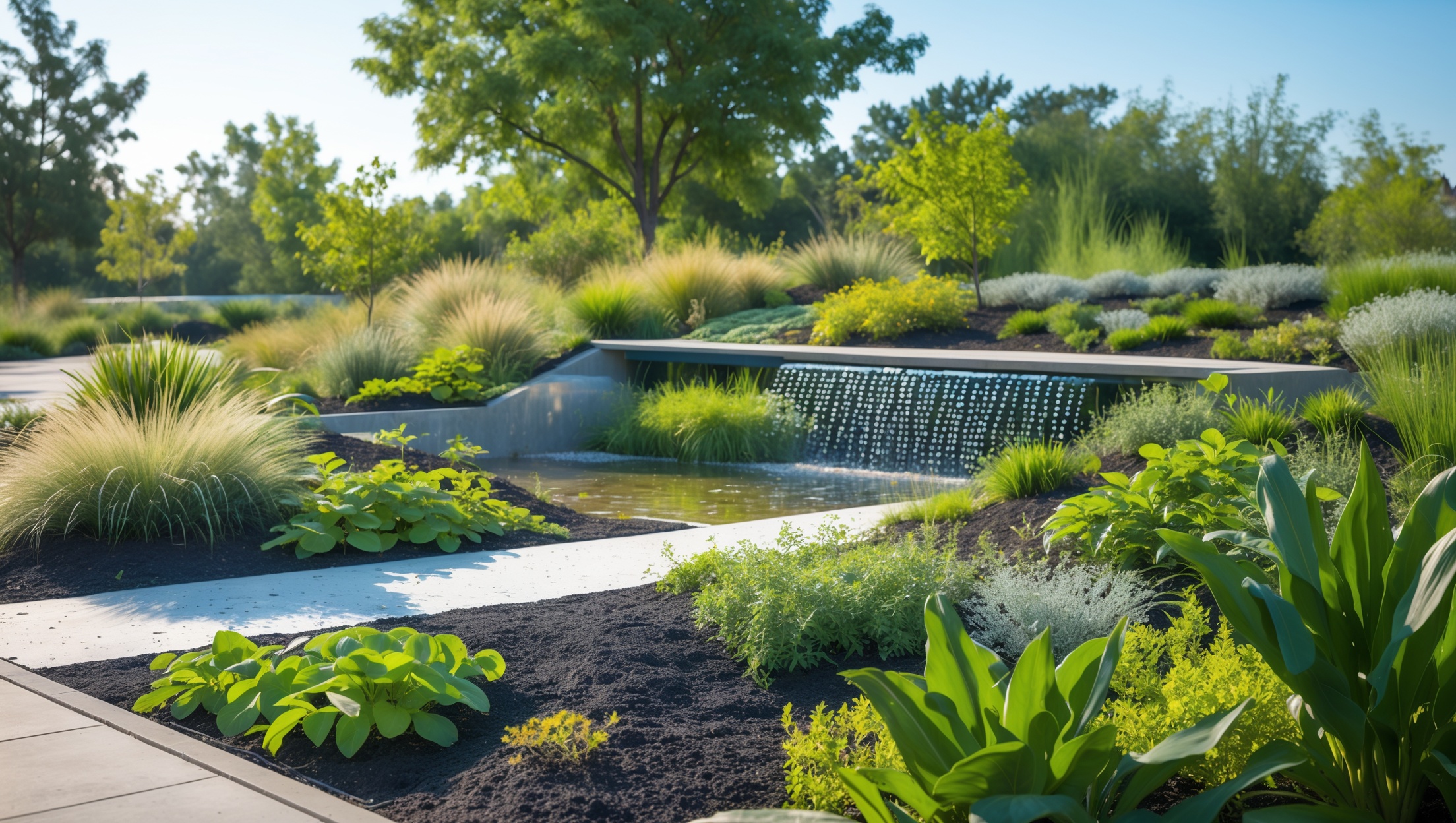
Introduction: Why Green Landscaping Businesses Need Unique Marketing
The landscaping industry has experienced a surge in eco-conscious demand. Homeowners, businesses, and municipalities are increasingly seeking sustainable landscaping solutions—native plant gardens, drought-resistant designs, permeable hardscapes, smart irrigation, and organic maintenance. As an eco-friendly landscaping business, your services offer both environmental benefits and long-term cost savings, yet standing out in a crowded market can be a challenge. Traditional marketing tactics often fall short when it comes to communicating the unique value of green landscaping. To connect with eco-minded clients and grow your business sustainably, you need specialized strategies that highlight your expertise, values, and results. In this guide, we’ll explore actionable marketing techniques tailored for eco-friendly landscaping businesses—helping you attract your ideal clients, build a strong brand, and establish your reputation as a leader in sustainable outdoor design.
Understanding Your Target Market
Who Are Eco-Friendly Landscaping Clients?
Before diving into marketing tactics, it’s critical to define your market. Typical clients for green landscaping services include:
- Homeowners concerned about water conservation, pollinator habitats, or reducing their carbon footprint.
- Commercial property owners aiming for LEED or SITES certification, or seeking to enhance their brand image with green initiatives.
- Municipalities and schools interested in sustainable stormwater management, native plantings, and outdoor education spaces.
Identifying Their Pain Points
Eco-conscious clients often value:
- Reduced water and chemical use
- Low-maintenance designs
- Support for local wildlife and pollinators
- Compliance with local sustainability ordinances
- Long-term environmental and economic savings
Understanding these motivations allows you to craft marketing messages that speak directly to their needs.
Building a Compelling Green Brand
Developing Your Unique Value Proposition
Your value proposition should answer: Why should clients choose your sustainable landscaping business over conventional competitors? Examples:
- “We design rain gardens that blend beauty with flood prevention.”
- “Our native plant landscapes thrive with minimal water and zero pesticides.”
- “We help businesses earn green certifications with eco-smart outdoor solutions.”
Make this unique value clear across all marketing materials.
Visual Identity: Show, Don’t Just Tell
Use natural, earthy color palettes, images of thriving native landscapes, and icons that emphasize sustainability. Avoid generic stock photos—showcase real projects whenever possible. Consistent branding across your website, vehicles, uniforms, and signage reinforces your position as a green expert.
Content Marketing: Educating and Inspiring Your Audience
Start a Value-Driven Blog
Regularly publish articles that address common client questions and highlight your expertise, such as:
- “5 Native Plants That Attract Pollinators in [Your Region]”
- “How Permeable Pavers Reduce Flood Risks in Urban Yards”
- “Rainwater Harvesting: A Step-by-Step Guide for Homeowners”
Optimize each post for relevant local and green keywords, and include lots of before-and-after photos.
Produce Educational Videos
Short, informative videos can demonstrate:
- How you install a smart irrigation system
- The difference between traditional vs. native plant landscapes
- Maintenance tips for organic lawns
Share these on your website, YouTube, and social platforms. Authentic, project-based content builds trust and credibility.
Downloadable Resources and Checklists
Offer free resources (in exchange for an email address) such as:
- “Seasonal Native Planting Calendar for [Your Area]”
- “Eco-Friendly Lawn Care Checklist”
- “Guide to Local Rebates for Sustainable Landscaping”
These position your company as a helpful expert and grow your email list for future marketing.
Local SEO: Getting Found by Green Clients in Your Area
Optimize Your Google Business Profile
Claim and complete your profile with accurate contact information, business hours, service areas, and a compelling description focused on sustainability. Add high-quality photos of your work and encourage satisfied clients to leave reviews mentioning your eco-friendly approach.
Target Local Green Keywords
Incorporate phrases like “sustainable landscaping [city]”, “native plant design [region]”, or “organic lawn care near me” throughout your website. Create service pages for each key offering and location.
Leverage Local Directories and Green Networks
- List your business on eco-focused directories (e.g., GreenPages, Sustainable Business Network).
- Participate in local business associations, environmental coalitions, or green home tours to build credibility and earn high-quality backlinks.
Leveraging Social Proof and Community Involvement
Collect and Showcase Client Testimonials
Ask satisfied clients for testimonials, focusing on the specific sustainability benefits they experienced (water savings, improved pollinator habitat, etc.). Feature these quotes on your website, in proposals, and on social media.
Share Case Studies and Project Spotlights
Document select projects with before-and-after photos, challenges solved, and measurable environmental results. These stories help potential clients envision the impact of your services.
Host Eco-Workshops and Community Events
Offer free or low-cost workshops on topics like “Creating Pollinator Gardens,” “DIY Rainwater Collection,” or “Organic Lawn Care Basics.” These build goodwill, generate leads, and position your business as a community leader.
Strategic Partnerships and Networking
Align with Like-Minded Businesses
Partner with local nurseries, green builders, eco-friendly irrigation suppliers, or environmental consultants. Co-host events, cross-promote on social media, or offer bundled packages. Referrals from trusted partners can be invaluable.
Build Relationships with Local Media
Pitch stories about innovative sustainable projects, green certifications, or community initiatives to local newspapers, radio, and TV. Earned media coverage boosts credibility and visibility.
Engage with Nonprofits and Municipal Programs
Volunteer your expertise for local park improvements, school gardens, or habitat restoration efforts. Participation in public projects demonstrates your values and can lead to new business opportunities.
Paid Advertising: Smart, Targeted Campaigns
Run Geo-Targeted Digital Ads
Use Google Ads and Facebook/Instagram ads to target homeowners and businesses in your service area. Focus on keywords like “eco-friendly landscaping” or “drought-tolerant yard design.” Showcase compelling visuals and clear calls-to-action.
Highlight Rebates and Incentives
If your region offers rebates for water-saving landscaping or native plant installations, feature these in your ad copy. Many clients are motivated by the potential for financial savings alongside environmental benefits.
Print and Offline Marketing That Resonates
Eco-Conscious Print Materials
Use recycled paper and environmentally responsible printers for flyers, business cards, and mailers. Highlight your green credentials and include QR codes linking to your project portfolio or blog.
Presence at Farmers Markets and Green Fairs
Set up engaging, educational booths at local farmers markets, green expos, or sustainability fairs. Display live plants, hands-on demos (like rain barrel setups), and offer quick consultations to interested attendees.
Vehicle and Jobsite Branding
Keep your brand top-of-mind with clean, well-designed vehicle wraps and yard signs that reinforce your eco-friendly expertise. Ensure messaging is clear and professional, emphasizing the sustainable difference you offer.
Tracking Results and Refining Your Strategy
Measure What Matters
Track key metrics such as:
- Website visits and lead form submissions
- Phone and email inquiries
- Social media engagement
- Referral sources (including partner businesses and events)
- Project close rates and average sale values
Use this data to determine which marketing channels are most effective and where to allocate future resources.
Get Feedback from Clients
After each project, ask clients how they found you and what influenced their decision. Use this feedback to fine-tune your messaging and offerings.
Conclusion: Growing Your Impact and Business
Eco-friendly landscaping businesses play a vital role in building sustainable communities and healthier environments. By employing targeted, authentic marketing strategies, you not only attract more clients but also educate your community, inspire positive change, and set yourself apart from conventional competitors. Remember, effective marketing is an ongoing process—continually refine your approach based on real-world results and evolving client needs. Prioritize transparency, showcase your successes, and stay engaged with your local green community. As demand for sustainable outdoor solutions continues to rise, your business is uniquely positioned for growth, influence, and long-term success. Invest in marketing that aligns with your values, and you’ll cultivate both a loyal client base and a lasting legacy of environmental stewardship.



When marketing to homeowners who care about water conservation and pollinator habitats, what messaging or visuals have you found most effective for helping them see the long-term economic savings of eco-friendly landscaping?
Highlighting before-and-after visuals that show reduced water consumption over time works well, especially if you can include infographics with clear numbers on water and maintenance cost savings. Messaging that emphasizes how native plants lead to less irrigation and lower utility bills resonates with homeowners. Testimonials from clients who have seen savings, paired with images of thriving pollinator gardens, also help make the long-term economic benefits feel tangible and relatable.
For businesses working towards LEED or SITES certification, are there distinct marketing approaches that you recommend to appeal to their sustainability goals compared to private homeowners?
For businesses targeting LEED or SITES certification clients, it helps to emphasize your technical expertise, compliance with green standards, and past project case studies in your marketing. Focus on data-driven results, certifications your team holds, and partnerships with sustainable suppliers. This approach is different from marketing to homeowners, where you might highlight aesthetics, health benefits, and long-term cost savings. Tailoring your message to align with organizational sustainability goals and regulatory requirements can set you apart.