
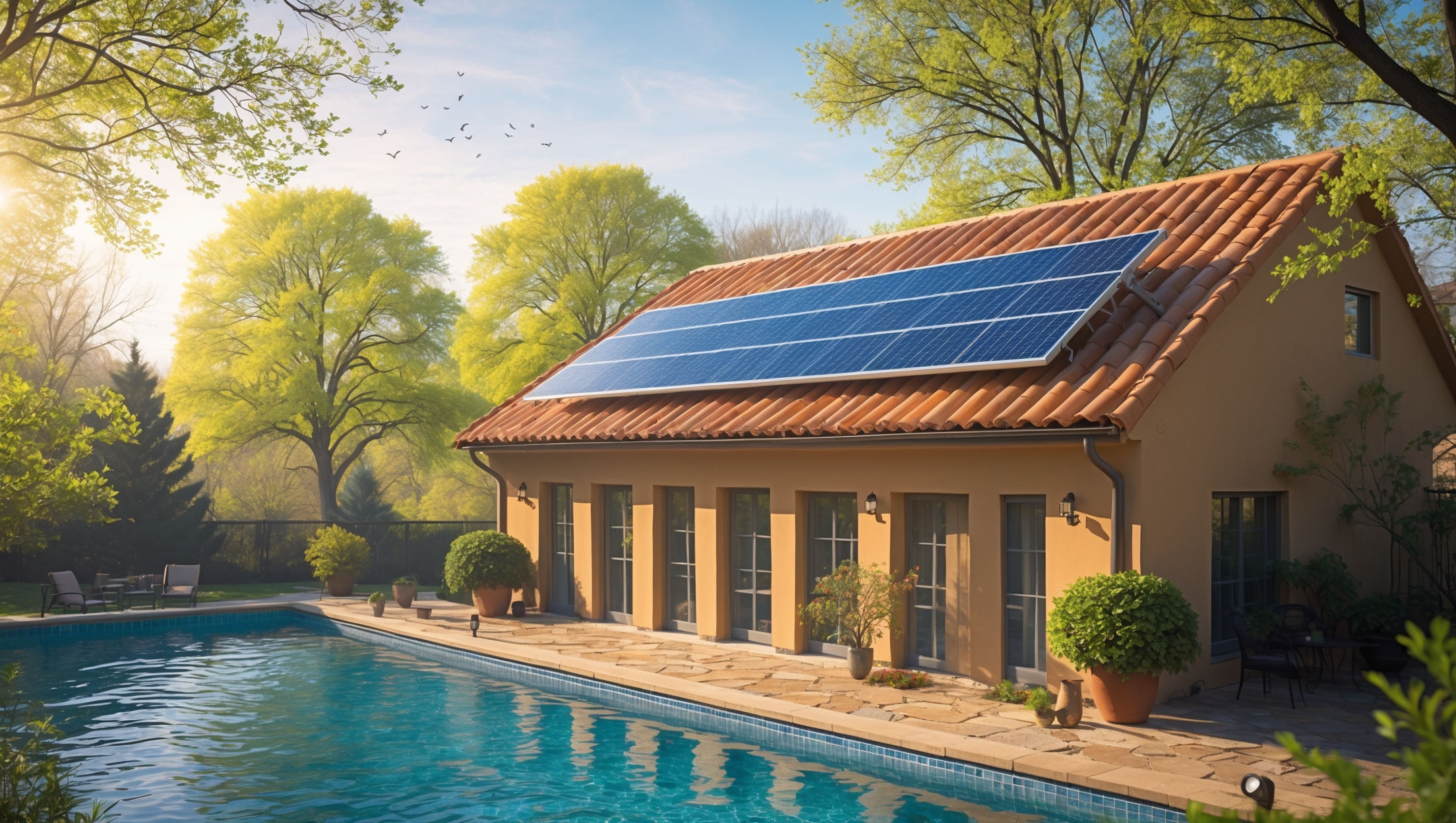
Introduction: Why Seasonal Maintenance Matters for Solar Pool Heating
Solar pool heating systems are a smart solution for homeowners seeking to extend their swimming season while reducing energy use and utility bills. These systems harness the sun’s abundant energy, providing an eco-friendly and cost-effective way to maintain comfortable pool temperatures. However, like all home energy technologies, solar pool heaters require regular, seasonally adjusted maintenance to ensure peak performance and long-term reliability. Neglecting these essential tasks can lead to reduced efficiency, unexpected repairs, and even system failure, undercutting your investment and sustainability goals.
This comprehensive seasonal checklist is tailored specifically for home solar pool heating systems. Whether you’re a new installer or an experienced user, you’ll find actionable steps for every time of year, insights into common pitfalls, and practical advice to maximize efficiency and savings. By following this expert guide, you’ll enjoy warm swims, lower costs, and peace of mind—no matter the season.
Understanding Your Home Solar Pool Heating System
Core Components
- Solar Collectors: Roof- or ground-mounted panels that capture solar energy and heat pool water.
- Pump and Filter: Circulates pool water through the collectors and back into the pool.
- Controller: Automates system operation based on temperature sensors.
- Valves and Plumbing: Direct water flow to and from the collectors.
How Seasonal Changes Impact Performance
Temperature fluctuations, weather patterns, and debris levels shift with the seasons, directly affecting solar collector efficiency and overall system health. By aligning maintenance with these seasonal variables, you prevent common issues and optimize heat gain year-round.
Spring Checklist: Preparing for Peak Sunlight
Visual Inspection and Cleaning
- Panel Cleaning: Remove winter dust, pollen, leaves, and bird droppings from collector surfaces with a soft brush or hose. Avoid abrasive materials that could scratch glazing.
- Shading Assessment: Inspect for new shading from tree growth or nearby structures. Trim branches to ensure maximum sun exposure.
- Mounting Hardware: Check for loose bolts, corrosion, or sagging supports. Tighten and treat as needed.
Plumbing and Valves
- Inspect for Leaks: Examine all visible piping and joints for cracks, leaks, or signs of wear.
- Valve Operation: Test manual and automated valves for smooth function. Lubricate seals if necessary.
Pumps and Filter Maintenance
- Filter Cleaning: Backwash or clean the pool filter to ensure unobstructed water flow.
- Pump Inspection: Listen for unusual noises, check for leaks, and verify that the pump is free of debris.
Controller Settings and Sensors
- Temperature Calibration: Verify sensor accuracy and adjust setpoints for springtime conditions.
- Automation Check: Ensure timers and controllers respond correctly to temperature changes.
Summer Checklist: Maintaining Peak Efficiency
Ongoing Panel Maintenance
- Weekly Rinse: Quickly rinse panels to remove pollen, dust, and bird droppings that accumulate rapidly in summer.
- Monitor for Hot Spots: Look for discoloration or damage indicating uneven heating—address immediately to prevent efficiency loss.
Water Flow and System Monitoring
- Flow Rate Checks: Monitor pressure gauges and flow meters, if installed, to ensure water moves at the manufacturer-recommended rate.
- Check for Air Locks: Bleed any trapped air from the system to maintain circulation.
Pool Chemistry
- Test Weekly: Maintain correct pH, alkalinity, and sanitizer levels to prevent scaling and corrosion in collectors and pipes.
- Check for Scale: Signs of scale buildup on panels or inside pipes should be addressed with appropriate descaling treatments.
Storm and Weather Preparedness
- Secure Panels: Before forecasted storms, double-check mounting hardware and panel covers.
- Inspect After Storms: Look for impact damage, debris buildup, or displaced panels after severe weather events.
Fall Checklist: Preparing for Cooler Months
System Cleaning and Inspection
- Thorough Panel Cleaning: Remove fallen leaves, sap, and autumn debris before they decompose and stain surfaces.
- Check for Clogs: Flush collectors and piping of any organic matter or sediment.
Performance Evaluation
- Monitor Heat Output: Compare current system performance to spring/summer benchmarks. Reduced output may indicate panel or plumbing issues.
- Assess for Repairs: Schedule repairs for any worn components before winter shutdown or reduced use.
Adjust Controller Programming
- Optimize Run Times: Adjust timers and temperature setpoints to reflect shorter daylight hours and cooler temperatures.
Winterization Preparation (If Needed)
- Freeze Risk Assessment: Determine if your climate requires partial or full system shutdown and winterization.
Winter Checklist: Protecting Your Investment
Winterization (Freezing Climates)
- Drain Collectors and Pipes: Remove all water from above-ground components to prevent freeze damage. Use manufacturer-recommended procedures.
- Insulate Exposed Pipes: Apply weatherproof insulation to any pipes that cannot be drained.
- Cover Panels: Use protective panel covers designed for your system to keep snow, ice, and debris off collectors.
Off-Season Monitoring (Mild Climates)
- Monthly Inspections: Visually check panels for storm damage or debris.
- Controller Updates: Set system to standby mode if not in use for extended periods.
Preventative Repairs
- Schedule Professional Service: If you noticed any issues during fall, have a certified technician perform repairs over winter so the system is ready for spring.
Common Mistakes and How to Avoid Them
- Neglecting Regular Cleaning: Debris buildup is a leading cause of efficiency loss. Stick to your seasonal cleaning schedule.
- Ignoring Small Leaks or Cracks: Minor leaks can become major repairs. Inspect and address plumbing issues promptly.
- Improper Controller Settings: Incorrect programming reduces performance. Recalibrate with each seasonal change.
- Skipping Winterization: In freezing climates, failing to drain and protect the system can result in catastrophic damage.
- Delaying Professional Maintenance: Annual professional inspections catch hidden issues early and extend system lifespan.
Pro Tips for Maximizing Solar Pool Heating Efficiency
- Install a Pool Cover: Use a solar or thermal pool cover to reduce nightly heat loss, especially in spring and fall.
- Monitor Weather Trends: Adjust system operation based on extended forecasts for optimal energy use.
- Upgrade Controllers: Modern, smart controllers offer more precise temperature management and remote monitoring.
- Optimize Collector Angle: If possible, adjust collector tilt seasonally for maximum sun exposure.
- Document Maintenance: Keep a detailed log of all maintenance and repairs to track performance and spot patterns.
Conclusion: Future-Proofing Your Solar Pool Heating Investment
Investing in a home solar pool heating system demonstrates a commitment to sustainable living, reduced energy costs, and enjoying your pool in harmony with the environment. However, the sustainability and efficiency of your system are only as strong as your maintenance routine. Seasonal care is not just about cleaning panels or tightening bolts—it’s a proactive approach that protects your investment, maximizes energy savings, and ensures reliable performance for years to come.
By following this expert seasonal checklist, you’ll address the unique challenges each season presents, from spring pollen and summer storms to autumn leaves and winter freezes. You’ll prevent costly repairs, avoid efficiency losses, and keep your system running at peak capacity when you want it most. Most importantly, you’ll be supporting your household’s sustainability goals while enjoying a warm, inviting pool for more months of the year.
Remember, every solar pool heating system—and every climate—is unique. Tailor this checklist to your specific setup and local weather patterns. When in doubt, consult with a certified solar technician to ensure your system is optimized and protected. With consistent, seasonal care, your solar pool heating system will deliver eco-friendly comfort and value for decades to come.

Is there a significant difference in maintenance needs between roof-mounted and ground-mounted solar collectors, particularly in terms of accessibility and long-term upkeep costs?
Yes, there is a difference. Roof-mounted solar collectors can be harder to access for routine cleaning or repairs, which could make maintenance more challenging and sometimes more expensive over time. Ground-mounted systems are much easier to reach, so general upkeep and inspections usually take less time and may cost less. However, both types need regular cleaning and checks for leaks or damage to stay efficient.
The article mentions using a soft brush to clean solar collectors. Are there any cleaning solutions or products you recommend avoiding that might damage the panels, especially after heavy pollen buildup in spring?
It’s best to avoid abrasive cleaners, harsh chemicals like bleach or ammonia, and anything acidic when cleaning solar pool collectors. These can damage the panel surfaces or their protective coatings. For heavy pollen, use only water or a very mild dish soap diluted in water. Always rinse thoroughly to prevent any residue buildup.
You mention cleaning the solar panels with a soft brush in the spring. Is there a specific cleaning solution I should use, or will plain water work without damaging the collectors?
Plain water is usually sufficient for cleaning solar pool heating panels, as it won’t damage the collectors. If you notice stubborn dirt or buildup, you can use a mild, non-abrasive soap diluted in water. Avoid harsh chemicals or abrasive tools, since they could harm the surface of the panels. A soft brush and gentle rinsing should be enough for routine maintenance.
I’m curious about budgeting for maintenance. On average, how much should a homeowner expect to spend each season on upkeep or minor repairs for a solar pool heating system?
Homeowners typically spend between $100 and $300 per season on maintenance and minor repairs for a solar pool heating system. This can cover items like cleaning panels, checking for leaks or cracks, replacing small parts such as valves, or re-sealing connections. Costs may be lower for newer systems or those in areas with mild weather, but setting aside this range in your budget is a good idea.
Does the maintenance checklist change at all if I use an automatic pool cover, since debris levels and water loss might be different compared to an uncovered pool?
Yes, using an automatic pool cover does affect the maintenance checklist a bit. With a cover, you’ll likely deal with less debris and reduced water evaporation, so you won’t need to clean your solar collectors or check water levels as often. However, it’s still important to inspect the cover mechanism regularly and ensure water circulation remains adequate, as covered pools can sometimes develop stagnant spots.
You mention aligning maintenance with the seasons to prevent issues—can you give more details about what should be checked on the pump and filter before summer really kicks in? I want to avoid any unexpected problems but am not sure what to look for.
Before summer, check your pool pump for leaks, unusual noises, and ensure the motor is running smoothly. Make sure the pump basket is free of debris. For the filter, clean or replace cartridges or backwash if you have a sand or DE filter. Also, inspect all hoses and connections for cracks or signs of wear. These steps help ensure your system runs efficiently and avoids breakdowns in peak season.
What would be the signs during spring inspection that valves or plumbing might need professional servicing versus something I can handle myself? I like to DIY but want to avoid causing bigger issues with my solar pool heater.
During your spring inspection, you can handle minor issues like tightening loose fittings or clearing out debris. However, signs that call for a professional include persistent leaks, cracked or broken pipes, valves that are stuck or very hard to turn, significant corrosion, or any unfamiliar noises in the system. If you spot any of these, it’s safer to get an expert to avoid damage or warranty issues.
How much time should the average homeowner expect to spend on the seasonal checklist each spring, and are any steps particularly time-consuming or easily overlooked?
Most homeowners can expect to spend about 1 to 3 hours completing the seasonal checklist each spring. The most time-consuming steps are usually cleaning the solar panels and inspecting plumbing connections for leaks. People sometimes overlook checking for debris in the filter or ensuring the control system settings are correct, so be sure not to skip these. Taking your time with the inspection helps ensure your system runs efficiently all season.
The checklist covers general maintenance, but I’m wondering how often I should check the pump and filter if I live somewhere with a lot of spring pollen. Would monthly checks be enough, or should it be more frequent?
In areas with heavy spring pollen, it’s a good idea to check your pump and filter every two weeks during peak pollen season. Pollen can clog filters much faster than usual, reducing efficiency. If you notice your filter gets dirty quickly or water flow decreases, weekly checks may be needed until the pollen subsides. This extra attention helps keep your system running smoothly.
The article mentions aligning maintenance with seasonal changes. How can I budget for potential unexpected repairs that might come up when moving from winter to spring, especially regarding valves and plumbing?
As you prepare your solar pool heating system for spring, set aside a small emergency fund to cover potential repairs, particularly for valves and plumbing, which can be impacted by winter weather. Consider estimating costs based on past repair bills or asking a local technician for typical spring repair fees. Scheduling a routine inspection before peak season can also help catch minor issues early, reducing the chance of expensive surprises.
If I notice my pool isn’t heating as efficiently even after following the spring checklist, is it usually an issue with the collectors, the pump, or could it be a controller calibration issue?
If your pool isn’t heating efficiently after the spring checklist, it could be due to a number of factors. The solar collectors might be dirty or obstructed, the pump may not be circulating water properly, or the controller could be miscalibrated. It’s best to inspect each component: check collectors for debris, verify the pump’s operation, and review controller settings to ensure they’re correct for your system.
How often do you recommend checking the controller settings throughout the year, especially as temperatures swing from spring into summer? I’m wondering if adjusting the automation based on changing daylight hours or weather patterns makes a noticeable difference in heat gain.
It’s a good idea to review your solar pool heating controller settings at least at the beginning of each new season, especially as you move from spring to summer. Adjusting for changes in daylight and weather can improve heat gain and efficiency. If your area experiences unpredictable weather, checking the settings every month or after significant temperature changes helps maintain optimal performance.
For homeowners on a tighter budget, which seasonal maintenance steps are most critical to prioritize to maximize system lifespan and energy savings?
For homeowners on a tight budget, focus first on regularly cleaning the solar panels to remove dirt and debris, as this keeps them working efficiently. Also, check for and repair any leaks in pipes or collectors right away. Finally, ensure your pump and filtration system are working properly at the start and end of the swimming season. These steps give the most impact for both energy savings and system longevity.
If my pool’s pump and filter are older but the solar collectors are relatively new, does the checklist suggest any specific adjustments or extra steps to keep everything running smoothly together?
Since your pump and filter are older, the checklist recommends paying extra attention to their maintenance. Ensure your pump is running efficiently, check for leaks, and clean or replace filter media regularly. Also, confirm that water flow is strong enough for your newer solar collectors, as older systems can sometimes restrict flow. Regular inspections and prompt repairs on the pump and filter will help your solar heating system perform at its best.
If I notice that my pool water isn’t getting as warm as usual after winter, is it more likely due to dirty panels, an issue with the controller, or something else in the system? How do I figure out where to start troubleshooting?
If your pool isn’t heating as well after winter, start by inspecting the solar panels for dirt, debris, or shading, as these are common issues. Next, check the controller settings to ensure they’re properly configured and the sensors are working. Also, examine valves and pipes for leaks or blockages. Begin with the simplest checks—panel cleanliness—before moving on to electrical or mechanical components.
You talk about aligning maintenance with changing weather patterns, but how often should I actually schedule these visual inspections in areas with unpredictable spring storms? Should I check after every major weather event?
In regions with unpredictable spring storms, it’s wise to perform a thorough visual inspection after each major weather event, as storms can dislodge panels, clog filters, or cause debris buildup. Outside of stormy periods, a monthly check during the active pool season should be sufficient. This approach helps catch any storm-related issues early while maintaining regular system care.
Could you elaborate on what types of unexpected repairs might come up if seasonal maintenance is skipped? Are there specific components like the controller or pump that tend to fail first?
If seasonal maintenance is skipped, you might face clogged filters, cracked collector panels from freeze damage, or leaks in piping due to worn-out seals. The pump can overheat or become inefficient if debris blocks water flow, and the controller may fail if exposed to moisture or pests. Typically, problems start with the pump or valves, followed by issues in sensors and the controller if not checked regularly.
You mention a controller that automates system operation based on temperature sensors. Are there recommended calibration checks or software updates for these controllers as part of the seasonal maintenance checklist?
Yes, it’s a good idea to include controller calibration and software checks in your seasonal maintenance. Check the temperature sensors for accuracy, as incorrect readings can affect efficiency. Most controllers have a calibration mode; consult your manual for instructions. Also, check if software or firmware updates are available from the manufacturer, as updates can improve performance and fix bugs.
Could you elaborate on the best way to check if the controller and temperature sensors are calibrated correctly when transitioning between seasons? I’m not sure what signs would indicate there’s an issue requiring adjustment.
To check if your controller and temperature sensors are calibrated correctly, compare their readings to a reliable thermometer placed in the pool and near the collector inlet. If you notice significant differences (more than a degree or two), or if the system doesn’t turn on or off as expected based on set temperatures, recalibration may be needed. Unusual temperature swings, frequent cycling, or the pool not reaching desired temperatures are also signs to investigate calibration.
The article talks about system failure if seasonal maintenance is neglected. What are some early warning signs homeowners should look for before things get to that point, especially with the pump and controller?
Homeowners should keep an eye out for unusual noises from the pump, reduced water flow, or air bubbles in the pool return, as these can indicate pump issues. For the controller, warning signs include inconsistent temperature readings, frequent error messages, or the system not switching on or off as scheduled. Catching these early can help prevent bigger system failures.
If I notice reduced performance halfway through the summer, do you recommend any specific troubleshooting steps before calling a technician?
If your solar pool heating system is underperforming mid-summer, start by checking for obvious obstructions on the collectors like leaves or debris. Make sure the pump is running properly and the water flow to the collectors is steady. Inspect for leaks or disconnected pipes as well. Cleaning the filter can also help. If these steps don’t resolve the issue, it’s a good idea to call a technician.
I’m new to solar pool heating and wondered if cleaning the panels myself requires any special tools or cleaning solutions, or is a soft brush really all I need to avoid damaging the collectors?
A soft brush is usually all you need for cleaning your solar pool heating panels. Most manufacturers recommend avoiding harsh chemicals or abrasive tools, as these can damage the collectors. Just use water and a gentle brush to remove dirt and debris. If there’s stubborn grime, a mild soap mixed with water is safe for most panels, but always check your system’s manual for any specific recommendations.
Can you provide more details on how drastic seasonal weather changes, like sudden storms or rapid temperature drops, might affect the performance or lifespan of the main components such as the controller and valves?
Sudden storms and rapid temperature drops can impact solar pool heating systems in several ways. The controller and valves may face issues like moisture intrusion, which can cause electrical shorts or corrosion. Rapid temperature changes can also cause materials to expand and contract, potentially leading to cracks or seal failures. To minimize these effects, ensure components are weatherproofed and regularly inspect for any signs of damage or wear, especially after severe weather events.
How do you recommend balancing the need for seasonal maintenance with keeping costs down for homeowners on a tight budget? Which maintenance tasks are absolutely essential versus nice to have?
For homeowners on a tight budget, focus on the essentials: regularly check for leaks in pipes and panels, clear debris from collectors, and inspect your pump filter to ensure proper flow. These basic steps help maintain efficiency without high costs. Tasks like professional system inspections or adding automated controls are beneficial but can be considered optional if budget is a concern.
I noticed the checklist mentions cleaning the solar collectors each spring. Do you have any tips on the best cleaning products or tools to use that won’t damage the panels? I’ve heard some chemicals or brushes can actually harm the collector surface.
You’re right to be cautious—gentle cleaning is key for solar collectors. Usually, a soft brush or sponge and plain water work best. If needed, use mild, non-abrasive soap, but avoid harsh chemicals, abrasive pads, or stiff brushes, as they can scratch or damage the surface. Rinse thoroughly to make sure no residue is left behind.
The article mentions that neglecting maintenance can lead to system failure. About how much time should I set aside each season to properly inspect and maintain a typical home solar pool heating system?
For most home solar pool heating systems, you should plan to spend about 1 to 2 hours each season on inspection and maintenance. This includes checking panels for debris, leaks, or cracks, cleaning the collectors, ensuring valves and controllers are functioning, and inspecting pipes and connections. Regular seasonal care helps keep your system running efficiently and can extend its lifespan.
If the controller doesn’t seem to be automating system operation correctly after winter, what are the first troubleshooting steps you’d suggest before calling a professional?
If your controller isn’t automating your solar pool heating as expected after winter, first check that the power supply is connected and the circuit breaker hasn’t tripped. Next, verify that the temperature sensors are clean, correctly positioned, and undamaged. Also, review controller settings to ensure they’re programmed for the right temperature ranges. If everything appears in order but issues persist, then it might be time to contact a professional.
Our controller sometimes gets out of sync with the temperature sensors after big weather swings. Do you have recommendations for recalibrating the controller, and should this be part of the seasonal checklist or only if I notice problems?
Recalibrating the controller after significant weather changes is a smart idea. It’s best to include controller recalibration as a regular part of your seasonal checklist, as this can help maintain accurate temperature readings and system efficiency throughout the year. However, you should also recalibrate any time you notice inconsistent readings or performance issues. Always consult your controller’s manual for the specific recalibration steps.
After prepping my system in spring like the checklist suggests, how long should I expect before I notice improvements in pool water temperature, assuming favorable weather? Is there an average timeframe or does it depend on my system size?
Once your system is prepped in spring and the weather is favorable—meaning plenty of sun and mild temperatures—you should notice a rise in pool water temperature within a few days to a week. The exact timeframe can vary depending on your system’s size, the amount of sunlight your pool gets, and your pool’s volume. Larger systems and smaller pools generally heat up faster, while bigger pools may take a bit longer to feel the full effect.
The article mentions adjusting maintenance routines with the seasons. Could you clarify whether certain seasonal tasks, like panel cleaning or checking the pump and filter, should be prioritized more heavily during spring versus fall, especially in climates with heavy pollen or leaf debris?
In climates with heavy pollen or falling leaves, spring and fall demand extra attention for solar pool heating system maintenance. In spring, prioritize frequent panel cleaning to remove pollen buildup, which can reduce efficiency. In fall, focus on clearing leaves and debris from both panels and filters, as these can cause blockages and strain your pump. Both seasons are important, but the specific debris common to each should guide your main focus.
When it comes to budget, are there any cost savings from doing the panel cleaning and system checks myself in spring versus hiring a professional, or are some tasks better left to experts?
Doing basic panel cleaning and simple visual system checks yourself in spring can definitely save you some money compared to hiring a professional. Tasks like rinsing off dust, checking for obvious leaks, or clearing debris are usually safe for homeowners. However, more technical maintenance—like checking for internal leaks, inspecting connections, or handling electrical components—is best left to professionals to avoid damage or safety risks. A mix of DIY for simple upkeep and occasional professional checks is a cost-effective approach.
Can you clarify how often the pump and filter should be checked or serviced as part of the seasonal checklist? I want to avoid unnecessary repairs, but I am not sure if once a season is enough.
It’s best to check your pump and filter at least once a month during the pool season rather than just once per season. Regularly inspecting for leaks, unusual noises, and debris build-up helps catch small issues early. Cleaning or backwashing the filter as recommended by the manufacturer also boosts efficiency and prevents costly repairs down the line.
Are there any budget-friendly ways to winterize a solar pool heating system if you live in an area with mild but unpredictable winters, or is it always necessary to do a full shutdown?
If you live in an area with mild but unpredictable winters, you don’t always need a full shutdown. You can take budget-friendly steps like draining water from exposed pipes and collectors to prevent freeze damage, using insulation wraps on valves, and covering the system with a weatherproof tarp. Check your manufacturer’s recommendations, but these simple measures can help protect your system without the cost or effort of a complete shutdown.
Could you elaborate on any budget-friendly DIY tips for maintaining the valves and plumbing, particularly for homeowners who are new to solar pool heating systems?
Absolutely! For budget-friendly DIY maintenance of your valves and plumbing, start by regularly checking for leaks and tightening any loose connections. Clean any debris from the valve handles and pipe joints using a soft brush. Lubricate valve O-rings with a silicone-based lubricant to keep them moving smoothly. Also, periodically flush the pipes with water to clear out any build-up. These simple steps can help extend the life of your system and reduce the need for costly repairs.
For homeowners on a tight budget, which seasonal maintenance tasks do you think are most critical to prioritize to prevent costly repairs down the road?
For homeowners on a tight budget, prioritize regularly cleaning the solar panels to remove dirt and debris, as this keeps the system efficient and prevents buildup that can cause damage. Also, check for leaks in pipes and connections each season, and inspect for signs of wear on the pump and filter. Addressing these basics helps prevent bigger, more expensive repairs later.
Besides seasonal changes, are there certain climate conditions in some US regions that might require additional checklist items for solar pool heating maintenance?
Yes, specific climate conditions can require extra maintenance steps. In areas with frequent dust storms or wildfires, regularly cleaning panels is important to maintain efficiency. Coastal regions may need periodic rinsing to remove salt buildup. In humid or rainy climates, checking for algae or moss growth around the panels is helpful. If you live where freezing occurs, ensure your system is properly winterized even outside the usual seasonal schedule.
I’m looking to balance efficiency with affordability when following your checklist. Are there any maintenance steps you recommend prioritizing if I have a limited budget for pool upkeep this season?
If you’re working with a limited budget, focus on cleaning your solar collectors regularly to ensure maximum sunlight absorption, check for obvious leaks in pipes or connections, and monitor the pool’s filter system to prevent clogs. These steps are cost-effective and play a significant role in maintaining your system’s efficiency without requiring major investments.
The article mentions cleaning solar collectors in spring to remove dust and debris. Do you have any tips on the safest products or methods for cleaning the panels without risking damage, especially for roof-mounted systems?
For roof-mounted solar pool heating panels, use a soft brush or a non-abrasive sponge with plain water to gently remove dust and debris. Avoid harsh chemicals or high-pressure washers, as they can damage the panels. If possible, clean from the ground using a telescoping pole, and prioritize safety by avoiding walking on the roof. If access is difficult, consider hiring a professional.
If my area gets a lot of leaves and debris in the fall, what’s the best way to prevent clogs in the valves and plumbing without doing constant manual cleaning?
To prevent clogs from leaves and debris, consider installing a high-quality leaf trap or strainer basket at the pump’s intake. Automatic surface skimmers can also help collect debris before it reaches the plumbing. Regularly checking and emptying these traps takes much less time than cleaning the entire system, and they’re especially helpful during heavy fall leaf drop.
If my system controller is not responding consistently to temperature changes after winter, what troubleshooting steps do you suggest before calling a professional technician?
Try resetting your controller by turning it off and on, then check that all electrical connections are secure and free from corrosion. Make sure the temperature sensors are clean and properly attached, as dirt or loose wires can cause inconsistent readings. Also, inspect for any blown fuses or tripped breakers. If your system has a manual mode, test it to see if the valves and pump work independently of the controller.
Do you have any tips for protecting the plumbing and valves of a solar pool heating system from freezing during unexpected cold snaps, especially in regions with unpredictable weather?
To protect your solar pool heating system’s plumbing and valves from freezing, consider draining the water from the collector panels and exposed pipes when freezing temperatures are forecast. Installing automatic drain valves is another good solution—they release water when the system is off and temperatures drop. Insulating exposed pipes with foam sleeves also helps prevent freeze damage. Regularly check for leaks or trapped water, as even small amounts can freeze and cause cracks.
How should the seasonal maintenance checklist differ for older solar pool heating systems versus newly installed ones, particularly regarding the valves and plumbing lifespan?
For older solar pool heating systems, pay extra attention to inspecting valves and plumbing for wear, leaks, and corrosion since these components are more likely to degrade over time. Look for signs of brittleness or cracks and consider replacing any questionable parts. Newly installed systems mostly need basic checks for correct installation, tight connections, and early signs of settling, but extensive replacement usually isn’t necessary. Regular monitoring helps catch issues before they become major repairs.
For homeowners on a tight budget, are there any critical seasonal maintenance steps that can’t be skipped without risking significant efficiency loss or system damage, or is there some flexibility here?
For homeowners on a tight budget, certain seasonal maintenance steps are essential and really shouldn’t be skipped. These include cleaning the solar panels or collectors to prevent debris buildup, checking for leaks or blockages in the system, and ensuring proper water flow. Skipping these could significantly reduce efficiency or cause damage, leading to higher repair costs later. Less critical tasks, like minor cosmetic cleaning, can be postponed if necessary.
Could you elaborate on what signs indicate that the controller or sensors might not be working correctly during the seasonal inspection? I’m not sure what kind of troubleshooting steps I should take if my system seems off.
If your solar pool heating system isn’t performing as expected, signs of controller or sensor issues can include incorrect temperature readings, the system not turning on or off at the right times, or the display panel showing error codes. Start by checking if the controller display is functioning and showing accurate pool and panel temperatures. Clean any visible dirt from the sensors and ensure the wiring is secure. If you’re still seeing odd behavior, try resetting the controller. Persistent problems may require professional testing or replacement of sensors or the controller.
Regarding the spring panel cleaning step, are there specific cleaning agents or products you recommend to avoid damaging the solar collectors, especially for those dealing with stubborn bird droppings or sap?
For cleaning solar pool heating panels, it’s best to stick with mild, non-abrasive options. Use lukewarm water and a soft brush or sponge for most dirt. For stubborn bird droppings or sap, a gentle dish soap diluted in water should help loosen debris without harming the panels. Avoid harsh chemicals, abrasive pads, or pressure washers, as these can damage the collector surfaces.
The checklist mentions aligning maintenance with seasonal changes—do you have suggestions for budget-friendly ways to keep up with this routine, especially for families who might not have a lot of extra time to spare?
To keep solar pool heating maintenance manageable and affordable, try setting simple reminders at the start of each season to quickly inspect panels and clean off debris. Using a soft brush or a garden hose can handle most cleaning jobs without special equipment. If you’re short on time, consider rotating tasks among family members. Annual professional check-ups can be scheduled during off-peak times, which may also save on costs.
I see you highlight the importance of visual inspections and cleaning as part of the spring checklist. For homeowners on a budget, are there any cost-effective DIY cleaning methods, or is it better to hire a professional service?
DIY cleaning can be very effective and budget-friendly for maintaining your solar pool heating system. Use a soft brush or a gentle hose spray to remove dirt and debris from the panels. Avoid harsh chemicals and abrasive tools to prevent damage. As long as you follow safety guidelines and avoid working on the roof in unsafe conditions, homeowners can usually handle basic cleaning themselves. Reserve professional services for more complex issues or if you’re uncomfortable with heights.
You mention that temperature fluctuations and debris levels impact efficiency, but are there any symptoms I should watch for that indicate my system is underperforming due to seasonal changes?
Yes, there are some clear signs that your solar pool heating system might be underperforming due to seasonal changes. If you notice your pool is taking longer than usual to warm up, the temperature isn’t reaching your usual set point, or there’s a visible buildup of debris on the panels, these could all indicate reduced efficiency. Unusual noises from the pump or reduced water flow can also signal an issue. Regularly checking and cleaning the panels can help maintain consistent performance.
How much time should I set aside each season to go through all the recommended steps for maintaining my solar pool heating system? I often have to fit these tasks around a busy family schedule.
You can usually complete the full seasonal maintenance checklist for your solar pool heating system in about 2 to 3 hours per season. If your schedule is tight, consider splitting the tasks—like panel inspection, cleaning, and equipment checks—over a couple of days or weekends. Most steps are straightforward and don’t require specialized tools, so breaking them up can make them easier to fit into your routine.
You mention that neglecting seasonal maintenance can lead to unexpected repairs. For homeowners on a tight budget, which maintenance steps are most critical to prioritize to avoid costly system failures?
If you’re on a tight budget, focus on clearing debris from the solar collectors, checking for visible leaks in pipes and connections, and ensuring the pump and filter are running smoothly. Also, monitor water flow and temperature regularly. These simple steps help prevent major issues and extend your system’s lifespan without significant expense.
The spring checklist talks about cleaning winter debris from the panels. Are there any best practices for safely accessing roof-mounted collectors for homeowners who may not be experienced with this kind of maintenance?
If you’re not experienced with rooftop work, it’s safest to avoid climbing onto your roof. Instead, use a garden hose with a spray nozzle from the ground if possible to rinse off debris. For stubborn dirt or debris that can’t be reached safely, consider hiring a professional cleaner. If you must access the roof, use sturdy, non-slip shoes, a harness, and ensure the ladder is secure. Always have someone else present for added safety.
Regarding the spring checklist, how often should I plan to clean my solar collectors during pollen-heavy months, and are there any risks with using water versus just a soft brush, especially for roof-mounted panels?
During pollen-heavy months, it’s best to check your solar collectors every two weeks and clean them as needed to keep performance up. For roof-mounted panels, using water is generally safe, but avoid high-pressure sprays that could damage seals. A soft brush can help with dry pollen, but for sticky residue, a gentle rinse with a garden hose is more effective. Just be cautious on the roof and prioritize safety.
If the system’s controller stops responding to temperature changes, what are the first troubleshooting steps you’d recommend before reaching out to a professional?
If your solar pool heating system’s controller isn’t reacting to temperature changes, start by checking if the controller is getting power and that all circuit breakers are reset. Next, inspect the temperature sensors for any loose connections or visible damage. You should also verify that the set temperature is correctly programmed. If these basic checks don’t resolve the issue, it may be time to contact a professional.
What are some signs during the seasonal inspection that indicate the pump or valves might need repair or replacement, rather than just routine maintenance?
During a seasonal inspection, signs that the pump or valves may need repair or replacement include unusual noises from the pump, visible leaks, cracks in the valve bodies, difficulty turning valves, or reduced water flow. Also, if the pump fails to start, frequently shuts off, or the valves do not fully open or close, these are indicators that go beyond routine maintenance and likely require professional attention or replacement.
For homeowners in regions with high pollen and debris during spring, how often should the collector panels be cleaned to maintain peak performance, and does cleaning frequency change throughout the summer or fall?
In areas with high pollen and debris during spring, it’s best to clean your solar collector panels every two to three weeks to prevent buildup that can block sunlight. As the summer progresses and pollen levels drop, cleaning once a month is usually enough. During fall, increase the frequency again if leaves or debris start accumulating. Regular checks help ensure peak performance.
Is there a preferred way to clean bird droppings and pollen off roof-mounted solar collectors to avoid damaging the panels? I’ve tried soft brushes, but sometimes the residue is stubborn. Any specific cleaning solutions you recommend or things I should avoid?
For stubborn bird droppings and pollen on solar collectors, use a hose with gentle water pressure first. If residue remains, a soft sponge or cloth with a mild, non-abrasive soap solution is effective. Avoid harsh chemicals, abrasive pads, and high-pressure washers, as these can damage the surface and seals of the panels. Rinse thoroughly to prevent soap film. Always clean during cooler hours to avoid thermal shock and streaking.
I see the checklist points out the controller and valves as key parts. Are there any basic troubleshooting steps I can take if my pool isn’t warming up as expected after doing the spring cleaning and inspection?
If your pool isn’t heating properly after spring cleaning, first ensure the controller is set to ‘auto’ and the temperature setting is correct. Check that the valves are fully open so water flows to the solar panels. Also, inspect for obvious leaks or blockages. If the system still doesn’t heat, verify that the pump is running during sunny hours. For most issues, these checks resolve common problems before needing professional help.
When aligning maintenance with the seasons, are there any particular steps you suggest prioritizing in regions with heavy pollen or lots of windy debris in spring? My yard gets covered every year, and I want to make sure I am not missing anything.
In areas with heavy spring pollen or lots of wind-blown debris, it’s important to prioritize regular cleaning of your solar collectors and pool filters. Check and clear any buildup from the surfaces of the solar panels weekly to keep them operating efficiently. Also, inspect and clean skimmer baskets and pump baskets more frequently during peak debris season to maintain good water flow and system performance.
Can you give an idea of the ongoing maintenance costs for solar pool heating systems as outlined in your seasonal checklist?
According to the seasonal checklist in the article, the ongoing maintenance costs for solar pool heating systems are generally low. You might spend a small amount annually on tasks like cleaning filters, checking for leaks, and inspecting connections. Occasionally, you may need professional servicing or to replace minor parts like valves or sensors, but major repairs are rare if you keep up with basic seasonal maintenance.
If I notice a drop in pool temperature even though my solar collectors look clean and undamaged, what troubleshooting steps should I try before calling a professional?
If your solar collectors appear clean and undamaged but the pool temperature drops, first check that all valves are open and the pump is running during sunny hours. Inspect your filter for blockages or dirt. Make sure your solar controller, if you have one, is set to the correct temperature. Also, verify there are no air leaks in the plumbing and that water is actually flowing through the collectors.
Can you share any ballpark estimates on the typical yearly maintenance costs for a residential solar pool heating system, especially if sticking closely to your recommended seasonal checklist?
If you follow the recommended seasonal checklist, annual maintenance costs for a residential solar pool heating system are usually quite modest. Most homeowners spend between $100 and $300 per year, mainly on periodic inspections, cleaning panels, checking for leaks, and replacing minor parts like valves or seals when needed. Major repairs are uncommon if the system is regularly maintained.
You mention aligning maintenance with seasonal weather patterns. For those of us with mild winters, is it still important to follow a strict spring checklist, or can we get away with less frequent inspections?
Even in areas with mild winters, it’s important to do at least a basic spring inspection. While you might not need a strict or extensive checklist, checking for debris, leaks, and any weather-related wear after the cooler months helps keep your system running efficiently and extends its lifespan. A quick seasonal check can catch small issues early, saving you bigger repairs later.
The article talks about temperature sensors and controllers in the system. How can I tell if my controller is still accurately reading temperatures, especially after a long winter?
To check if your controller is accurately reading temperatures, compare its display with a reliable thermometer placed near the system’s sensors. If the readings differ significantly, your sensor may need recalibration or replacement. Also, inspect the sensor wiring for damage caused by winter weather. Most controllers have a test or calibration mode detailed in their manual, which can help confirm accuracy.
For someone new to solar pool heating, how long does a typical seasonal maintenance session take, and are there any basic tools I should have on hand before starting the checklist?
A typical seasonal maintenance session for a home solar pool heating system usually takes about 1 to 2 hours, depending on the setup and any issues you may discover. Basic tools you’ll want to have ready include a garden hose, soft brush, screwdriver, adjustable wrench, and a ladder if your panels are roof-mounted. Having these on hand will make it easier to clean panels, check for leaks, and tighten connections as you go through the checklist.
When inspecting the controller component, what signs indicate it needs repair instead of just a simple reset or adjustment?
When checking the controller, signs that it might need repair include unresponsive buttons or display, persistent error messages, failure to turn the system on or off as scheduled, or no reaction to temperature changes or settings. If resetting or adjusting the controller doesn’t resolve these issues, or if the unit repeatedly loses settings or power, it’s likely time for a professional repair or replacement.
How do I know if my pool pump is running efficiently with the solar panels during different seasons? Are there telltale signs that the system isn’t circulating water properly as the weather changes?
To check if your pool pump is running efficiently with the solar panels, monitor the water temperature before and after it passes through the panels. If you notice little or no temperature increase, it may indicate poor circulation. Listen for unusual pump noises or check for weak water flow at the pool’s return jets. In cooler seasons, leaves or debris can block flow, so inspect the filter and solar panel connections regularly for clogs or leaks.
Could you elaborate on what kind of controller settings need to be adjusted as the seasons change? I’m not sure if mine automatically adapts or if it’s something I need to program each spring and fall.
Controller settings for solar pool heating often need manual adjustment as the seasons change. In spring and fall, you may need to set different temperature targets or program the system to operate during optimal sun hours. Some controllers are automatic and adjust based on temperature sensors, but many require you to update settings for desired pool temperature and active heating times. It’s worth checking your controller’s manual to see if your system adapts automatically or if you need to program these changes yourself each season.
The article mentions aligning maintenance with seasonal weather patterns. How should I adjust my maintenance routine if I live somewhere with unpredictable weather, like sudden spring storms or late frosts?
When you live in an area with unpredictable weather, it’s wise to inspect your solar pool heating system more frequently, especially after events like sudden storms or unexpected frosts. Check for debris on panels, secure any loose fittings, and make sure valves are functioning properly. After storms or cold snaps, look for any damage or leaks, and clean off any leaves or dirt that might obstruct the system.
For homeowners trying to budget, could you estimate what annual seasonal maintenance costs might look like for a typical residential solar pool heating system, including any professional inspections or cleaning?
For a typical residential solar pool heating system, you can expect annual maintenance costs to range from $100 to $300. This usually covers a professional inspection, minor cleaning, and system check-ups. If you clean panels yourself and only hire a professional for yearly inspections, you might stay near the lower end of that range. Repairs are extra, but regular upkeep helps minimize those expenses.
What are the most common mistakes people make during seasonal maintenance that could actually decrease efficiency, even if they think they are following the checklist properly?
A few common mistakes include not fully flushing debris from the solar collectors, which can block water flow, and forgetting to check for leaks in connectors or pipes that may develop over time. People also sometimes misalign the panels when cleaning or repositioning them, reducing sun exposure. Using harsh chemicals for cleaning can damage surfaces, and overlooking small cracks or wear in insulation can lead to heat loss.
I’m curious about how seasonal changes might affect the lifespan of the pump and controller. Are there warning signs in certain seasons that I should keep an eye out for to prevent unexpected repairs?
Seasonal changes can impact the pump and controller, especially during colder months or with heavy use in summer. In winter, watch for signs like unusual noises, reduced water flow, or error messages from the controller—these may indicate freezing damage or debris buildup. In summer, overheating or frequent cycling can stress the pump. Regularly check for leaks, clean filters, and make sure the controller is responding correctly to temperature changes to catch issues early.
You mention that temperature fluctuations and debris levels affect efficiency. Is it worth investing in additional sensors or smart controllers to adjust for these seasonal changes automatically, or are basic manual adjustments enough for most homeowners?
For many homeowners, basic manual adjustments like checking and cleaning filters and tweaking flow rates are sufficient to keep a solar pool heating system efficient. However, if you experience frequent temperature swings or lots of debris, smart controllers and sensors can optimize performance automatically, saving time and potentially increasing energy savings. If you value convenience or have a large or complex system, investing in automation may be worthwhile.
If our controller isn’t automating system operation as expected after winter, what are some troubleshooting steps we could try before calling a professional? Are there common sensor issues homeowners can address themselves?
If your solar pool heating controller isn’t automating as it should after winter, begin by checking if the power supply and circuit breakers are functioning. Inspect the controller’s settings to confirm they’re correct for the season. Many issues stem from faulty temperature sensors—look for loose wires, debris, or corrosion at sensor connections, and clean or tighten them as needed. Replacing a damaged sensor is often straightforward with basic tools. If these steps don’t resolve the problem, it may be best to consult a professional.
What is a reasonable yearly maintenance budget I should anticipate for keeping a home solar pool heating system at peak efficiency, considering both routine upkeep and potential minor repairs mentioned in the checklist?
For most home solar pool heating systems, a yearly maintenance budget of $100 to $300 is reasonable. This should cover routine tasks like cleaning panels, checking for leaks, inspecting valves, and replacing minor parts like seals. If your system is older or you prefer hiring professionals for inspections, budgeting toward the higher end is wise.
When the article mentions adjusting maintenance based on seasonal temperature fluctuations and debris levels, are there specific indicators or warning signs homeowners should watch for that signal the system isn’t performing efficiently during seasonal changes?
Yes, some clear indicators can signal your solar pool heating system isn’t running efficiently as seasons change. Watch for pool water not reaching your set temperature, noticeable drops in water flow, unusually high pump noise, or visible debris build-up on panels. Algae or scale on collectors, leaks, or sudden increases in energy bills are also warning signs. Regularly inspecting these factors helps you catch issues early and maintain system performance.
I noticed the checklist talks about cleaning panels with a soft brush in the spring. Can you explain if using a mild soap or only water is best for the panels, or could certain cleaners damage the solar collectors?
It’s best to use only water or water with a small amount of very mild, non-abrasive soap when cleaning solar panels. Strong or chemical-based cleaners can damage the surface of the solar collectors and reduce their efficiency. Always avoid anything abrasive, as scratching the panels can also harm performance. If in doubt, just plain water and a soft brush are safest.
I noticed the checklist emphasizes cleaning debris off the solar collectors. If I have a lot of trees around my pool, should I be cleaning the panels more often than just in spring, and how do I prevent buildup between cleanings?
If you have many trees nearby, it’s wise to check and clean your solar collectors more frequently than just in spring—monthly inspections can help keep them efficient. To prevent buildup between cleanings, consider trimming back overhanging branches and installing mesh leaf guards or screens around the panels. This reduces debris accumulation and minimizes the need for constant cleaning.
When getting ready for colder months, are there particular components of the controller or plumbing that are more vulnerable to weather damage? Would you suggest any specific preventative measures beyond the general checklist in the article?
Yes, certain components like exposed pipes, valve actuators, and the controller’s outdoor sensors are especially vulnerable to cold, rain, and frost. It’s a good idea to insulate any above-ground plumbing, cover or weatherproof your controller and sensors, and ensure all valves are fully drained before freezing temperatures arrive. Adding these steps to your routine can help prevent leaks and extend the life of your system.
The checklist talks about adjusting for different seasons, but I’m wondering if there are quick tasks I can do myself before hiring a pro for a full inspection. What steps are safe for a busy parent with limited time?
Absolutely, there are some simple tasks you can do yourself. First, check for obvious debris or blockages in your solar collectors and clear them safely. Inspect visible pipes and connections for leaks. Make sure your pool pump and filter are clean and running properly. Also, adjust the timer settings to match the current season’s daylight hours. These steps are quick and safe for most homeowners, and they help your system run efficiently until you’re ready for a professional inspection.
The checklist mentions cleaning the solar collectors each spring to remove dust, pollen, and debris. Can you recommend specific cleaning tools or solutions that are safe for the panels but effective enough to handle tough buildup, like bird droppings?
For cleaning your solar collectors, it’s best to use a soft-bristle brush or a non-abrasive sponge to avoid scratching the panels. A gentle solution of mild dish soap mixed with water works well for most dirt and debris. For tougher buildup like bird droppings, let the soapy water soak on the spot for a few minutes before gently scrubbing. Avoid harsh chemicals or abrasive pads, as they can damage the surface and reduce efficiency.
Do you have any tips for safely cleaning solar collectors on a rooftop versus ground-mounted ones, especially when it comes to avoiding damage or injury during the spring maintenance you mention?
When cleaning rooftop solar collectors, always use a sturdy ladder and wear non-slip shoes. Ideally, use a safety harness if you’ll be on the roof. Avoid harsh chemicals—soft brushes and mild soapy water work best. For ground-mounted panels, the process is simpler: just use the same gentle cleaning tools and take care not to scratch the surface. In both cases, never clean while the system is hot or under direct sunlight to avoid burns and thermal shock.
In terms of budgeting for regular upkeep, what are the typical annual costs associated with maintaining a home solar pool heating system according to your guidelines?
Based on the article’s guidelines, the typical annual maintenance costs for a home solar pool heating system are relatively low, usually ranging from $100 to $300 per year. This covers routine inspections, cleaning panels and filters, checking for leaks, and occasional minor repairs. It’s wise to budget for these recurring expenses to keep your system running efficiently.
I see the checklist covers the spring preparation for solar pool heaters, but what about winter? Should the system be shut down completely during colder months, or are there specific off-season maintenance steps to follow?
During winter, it’s a good idea to shut down your solar pool heating system to prevent freeze damage and unnecessary wear. Start by turning off the circulation to the solar collectors, draining any water from pipes and panels, and cleaning the panels of debris. Check and store any removable components. Also, inspect for cracks or leaks before winter and after reopening in spring. These steps help ensure your system stays in good shape during the off-season.
The article talks about different impacts like weather patterns and debris. In regions that get a lot of summer thunderstorms, are there additional steps you’d suggest to protect or prepare the solar pool heating system?
In areas with frequent summer thunderstorms, it’s wise to secure any loose panels or mounting hardware, as strong winds can shift or damage them. Regularly check for leaves and debris after storms, since buildup can block sunlight and reduce efficiency. If possible, shut off the pump during lightning to protect electrical components. Routine inspections after major storms will help spot any issues early.
Could you give more details on what type of cleaning products are safe to use on solar collectors when removing things like bird droppings or pollen? I want to avoid damaging the panels.
For cleaning solar collectors, it’s best to stick with mild, non-abrasive cleaners. A mixture of lukewarm water and a few drops of gentle dish soap works well for removing bird droppings or pollen without harming the panels. Use a soft sponge or a microfiber cloth to wipe the surface, and avoid abrasive pads or harsh chemicals like ammonia or bleach, as these can scratch or damage the collectors.
Can you give more detail on what kinds of unexpected repairs might come up if I skip seasonal maintenance on my pool’s solar heating system? I’m wondering how urgent it is to stick closely to the checklist.
If you skip seasonal maintenance, you might face issues like cracked or leaking solar panels, clogged water lines from debris, or pump and valve failures due to buildup and wear. Sometimes, unaddressed problems can cause reduced heating efficiency or even sudden system shutdowns that require urgent, often costly repairs. Sticking to the checklist helps you spot and prevent these issues early, saving time and money in the long run.
Besides visual inspections and cleaning, are there warning signs during the year that indicate the pump or filter might need extra attention beyond the regular seasonal checklist?
Absolutely, there are a few warning signs to watch for between scheduled maintenance. If you notice a sudden drop in water flow, unusual noises from the pump, higher-than-normal pressure readings on the filter gauge, or the pool water is not heating as effectively, these could all indicate issues needing prompt attention. Addressing these signs early can help prevent bigger problems and keep your system running smoothly.
The article mentions the importance of seasonally adjusted maintenance for solar pool heating systems. Could you elaborate on how maintenance tasks might differ between spring and fall, especially in regions with harsher winters?
In spring, focus on inspecting solar panels for debris or damage from winter storms, cleaning the panels, checking for leaks, and ensuring all valves and pumps are operational. In fall, start by clearing leaves and preparing to shut the system down if freezing temperatures are expected. This typically involves draining water from the panels and pipes to prevent freeze damage, and sometimes covering panels for extra protection.
If the controller for the solar pool heating system starts malfunctioning as the seasons change, what are some troubleshooting steps a cautious homeowner can take before calling in a professional?
If your solar pool heating controller starts acting up, first check that the system is receiving power and that no circuit breakers have tripped. Inspect any visible wiring for loose connections or corrosion. Clean the controller’s sensor probes if accessible—they sometimes get dirty or covered. Also, review the controller’s display for error codes and consult your manual. If these steps don’t resolve the issue, it’s best to consult a professional.
Is it necessary to recalibrate or adjust the controller every season, or does the automation handle changing weather patterns on its own?
Most modern solar pool heating controllers are designed to automatically adjust to changing weather conditions, so you typically don’t need to recalibrate them each season. However, it’s wise to briefly check your controller at the start of each season to ensure the temperature settings and sensors are working correctly. If you notice your pool isn’t heating as expected, a quick manual check or adjustment might help optimize performance.
Could you clarify how often the solar collectors should be cleaned during the peak pollen and leaf season in spring? In my area, debris builds up pretty fast and I’m not sure if just a seasonal cleaning is enough.
During peak pollen and leaf season, it’s a good idea to check your solar collectors at least every two weeks for buildup. If debris is heavy in your area, you may need to rinse or gently clean them even more frequently, possibly weekly. Keeping the collectors clear will help maintain their efficiency and prevent long-term buildup that can be harder to remove later.
Is there a general estimate for how much time a homeowner should set aside for the spring maintenance steps outlined here? I want to plan ahead for prepping my solar pool heater before peak swim season.
For spring maintenance of your solar pool heating system, you should plan to set aside about 2 to 3 hours. This includes inspecting panels, checking for leaks, cleaning filters, and ensuring the pump and valves are working properly. If you’re familiar with your system, it may take less time, but scheduling a half-day gives you a comfortable buffer for any unexpected issues.
The checklist mentions that spring cleaning involves removing dust and debris from the solar collectors. Is there a recommended cleaning solution or method to avoid damaging the panels, and how often should this be done during high pollen seasons?
For cleaning solar collectors, it’s best to use plain water and a soft brush or cloth to avoid scratching the panels. Avoid harsh chemicals or abrasive materials, as these can damage the surface. During high pollen seasons, check and clean the panels every 2–4 weeks or whenever you notice visible buildup to keep them operating efficiently.
The article explains seasonal changes can impact solar pool heating efficiency. If I notice my pool is not warming up as much as last spring, what troubleshooting steps do you recommend before calling a professional?
If your pool isn’t warming up as much as last spring, start by checking if the solar panels are clean and free of debris or dirt. Make sure there are no obstructions, like overgrown trees, shading the panels. Inspect for any visible leaks in the system or loose connections. Also, confirm that the water flow rate is normal and the pump is operating correctly. Addressing these basics can often resolve common issues before you need professional help.
The article mentions that neglecting seasonal maintenance can lead to unexpected repairs. What are some common warning signs that my solar pool heating system might need professional servicing rather than just routine maintenance?
Some warning signs that indicate your solar pool heating system may need professional servicing include persistent leaks, noticeable drops in water temperature despite good sunlight, unusual noises from the pump or panels, or visible damage like cracked panels and loose fittings. If you notice any of these issues, it’s best to call a technician instead of just performing routine cleaning or checks.
Could you explain how to tell if the controller and temperature sensors are working correctly after the winter, and what are some common signs they might need servicing?
To check if your controller and temperature sensors are working after winter, set your pool heating system to manual mode and watch if the system responds correctly when changing temperature settings. The display should show accurate pool and roof temperatures. Common signs they need servicing include erratic temperature readings, the system not turning on or off as expected, or error messages on the controller. If you notice any of these issues, a technician should inspect the components.
I’m trying to budget for upkeep on my new solar pool heater. Are most of these maintenance tasks, like cleaning the panels and checking the plumbing, things I can handle myself, or should I expect to hire a pro each season?
Most routine maintenance tasks for solar pool heaters, such as cleaning the panels, checking for debris, and visually inspecting plumbing connections, are manageable for homeowners with basic DIY skills. However, if you encounter leaks, electrical issues, or complex plumbing problems, it’s best to hire a professional. Doing a thorough self-check each season can help catch issues early and save on professional service costs.
If I notice my pool isn’t staying as warm as usual after winter, what would be the first troubleshooting steps you recommend before calling a professional? Would it most likely be debris on the collectors, or could it be something with the controller?
If your pool isn’t staying as warm as before, start by checking for debris, leaves, or dirt on the solar collectors, as these can block sunlight and reduce efficiency. Also, inspect for any leaks or obstructions in the pipes. Next, check the controller settings to ensure it’s turning the system on at the correct times and hasn’t been reset or malfunctioned. Addressing these basics can often resolve common issues before you need to call a professional.
For homeowners who might be on a tight budget, what are the most critical seasonal maintenance tasks that should never be skipped to prevent costly repairs down the line?
For homeowners on a tight budget, the key seasonal maintenance tasks that should never be skipped are cleaning the solar collector panels to ensure efficiency, checking for leaks in the piping and connections, and inspecting the pump and filter for proper operation. Making sure valves are working and draining any water before winter also helps avoid freeze damage. These basics help prevent expensive repairs later.
How long does the full seasonal checklist usually take to complete for a typical residential solar pool heating setup, and is it realistic to handle it all myself or should I plan to hire a professional for certain steps?
The full seasonal checklist for a typical residential solar pool heating system usually takes about 2 to 4 hours, depending on your familiarity with the system and any maintenance issues that might come up. Many homeowners can handle tasks like cleaning panels, checking for leaks, and inspecting connections themselves. However, for more technical steps such as inspecting electrical components or recalibrating controllers, hiring a professional is a good idea to ensure everything operates safely and efficiently.
The article talks about aligning maintenance with seasonal changes for maximum efficiency. How big of a drop in performance could I expect if I skip a season of maintenance, especially going from fall to winter?
If you skip a season of maintenance, especially from fall to winter, you could see a significant drop in your solar pool heating system’s efficiency—potentially 10–20% or more. Debris, scaling, and unchecked leaks often worsen over time, leading to lower heat output and even system damage. Regular maintenance ensures the panels are clear and operating optimally, so skipping it can cost you both in performance and future repairs.
If the controller on the solar pool heating system is not responding to temperature changes as expected, what would be the first things to check based on the seasonal maintenance advice in your article?
If your solar pool heating system’s controller isn’t responding to temperature changes, start by checking the temperature sensors for dirt, corrosion, or loose connections, as these are common issues highlighted in the maintenance checklist. Also, ensure the controller’s settings are correct, and inspect the wiring for any visible damage or wear. Cleaning or securing the sensors and resetting the controller can often resolve basic responsiveness problems.
When it comes to the pump and filter components you described, what are the most common issues that can arise as the weather shifts from cooler to warmer months, and what steps should homeowners take to prevent breakdowns at the start of swimming season?
As the weather warms up, common issues with pool pumps and filters include clogged or dirty filters, pump air leaks, and worn-out seals or gaskets. To prevent breakdowns, clean or replace filters, inspect and lubricate pump seals, and check for leaks or loose fittings before starting up your system for the season. Regular maintenance early on helps your equipment run smoothly all summer.
If the controller automates the system based on temperature sensors, are there specific maintenance steps I should take for the sensors themselves throughout the year?
Yes, temperature sensors need some attention to stay accurate and reliable. Inspect them at least twice a year for dirt, debris, or spider webs, and gently clean them with a soft cloth. Check for any signs of moisture, corrosion, or loose connections at the wiring. Make sure they remain securely mounted in their intended locations, and if your system has calibration settings, verify accuracy at the start of each season.
When cleaning the solar collectors in spring as you recommend, is it safe to use a garden hose at full pressure, or could that damage the panels? Are there any cleaning products to avoid on the surfaces?
Using a garden hose at normal household pressure is generally safe for cleaning solar collectors, but avoid using a high-pressure nozzle, as that force could damage the panels or their seals. Stick to cool or lukewarm water. When it comes to cleaning products, avoid anything abrasive or containing harsh chemicals like bleach or ammonia. Gentle dish soap diluted in water is usually safe and effective for removing dirt and debris.
I noticed the article mentions cleaning solar collectors in the spring. Are there specific cleaning agents I should avoid to prevent damaging the panels, or is plain water and a soft brush always safe?
It’s best to use plain water and a soft brush for cleaning your solar collectors. Avoid any harsh chemicals, abrasive cleaners, or high-pressure washers, as these can damage the panel surfaces or their protective coatings. Mild, biodegradable soap can be used if there’s stubborn dirt, but always rinse thoroughly afterward. Stick to gentle methods to keep your system in top condition.
The article discusses aligning maintenance with seasonal changes to optimize heat gain. Are there big differences in maintenance needs between regions with longer winters versus places with more year-round sun?
Yes, there are notable differences in maintenance needs based on climate. In regions with longer winters, you may need to winterize your solar pool heating system, which involves draining and covering components to prevent freeze damage. In sunnier, milder climates, the focus is more on regular cleaning and checking for debris or scaling year-round, as the system is likely in use for more months. Adjust your maintenance routine to match your local weather patterns for best results.
With the checklist’s advice on panel cleaning, is it okay to use standard household cleaners, or could those damage the solar collector surfaces? I’m concerned about maintaining efficiency without voiding any warranty.
It’s best to avoid standard household cleaners, as many contain chemicals or abrasives that could damage the solar collector surfaces or void your warranty. Use only mild soap and water with a soft cloth or sponge. Always consult your manufacturer’s care instructions to ensure you don’t accidentally harm your system or affect its efficiency.
When doing the spring panel cleaning you mentioned, do I need any special cleaning solution for the solar collectors, or will just water and a brush do the trick without damaging the panels?
For spring panel cleaning, plain water and a soft brush are usually sufficient and safest for most solar collectors. Avoid harsh chemicals or abrasive brushes, as these can damage the panel surfaces or protective coatings. If you encounter tough dirt or residue, a mild soap diluted in water is generally safe. Just be sure to rinse thoroughly to prevent soap buildup.
I noticed the checklist mentions cleaning the panels in spring, but is there a recommended frequency for cleaning during other times of the year, especially if you live in a region with lots of dust or pollen throughout the summer?
If you live in a particularly dusty or pollen-heavy area, you may need to clean your solar pool heating panels more often than just in spring. It’s generally a good idea to inspect them every few weeks during summer and clean them whenever you notice visible buildup or a decline in system performance. Regular cleaning ensures optimal efficiency throughout the season.
Can you offer advice on how to safely clean roof-mounted solar collectors myself, or would you recommend hiring a professional for spring maintenance to avoid damaging the panels?
If you feel comfortable working safely on your roof, you can clean solar collectors yourself using a soft brush or sponge and a gentle soap solution, making sure to avoid abrasive materials that could scratch the panels. Always wait for a cool, dry day to prevent slipping, and use proper safety gear. However, if your roof is steep, high, or hard to access, hiring a professional is the safest choice to prevent injury or accidental damage.
For those of us in regions with harsh winters, are there additional off-season steps beyond what’s in the basic checklist to make sure our solar collectors and plumbing survive freezing temperatures?
In areas with harsh winters, it’s wise to take extra steps to protect your solar collectors and plumbing. Besides draining all water, consider using compressed air to blow out any remaining moisture from pipes and collectors. Insulate exposed pipes and valves, and if possible, cover the collectors with a waterproof tarp to shield them from snow and ice. These precautions help prevent cracks and leaks caused by freezing.
The checklist mentions controller automation based on temperature sensors. What are some signs that my controller might not be working optimally, and how do I test or recalibrate it for the new season?
If your pool isn’t reaching the expected temperature or the solar system isn’t turning on when it’s sunny, your controller may need attention. To test, compare the controller’s displayed temperature to an accurate thermometer placed next to its sensors. If readings differ, recalibration is needed, usually done via the controller’s settings menu. Also, check for error messages or signs of corrosion on sensor wires. Review your controller’s manual for step-by-step calibration instructions.
How do seasonal maintenance needs differ between roof-mounted and ground-mounted solar collectors? Specifically, are there extra steps I should add in winter if my panels are on the ground?
Seasonal maintenance for roof-mounted and ground-mounted solar collectors does have some differences. For ground-mounted panels, winter care is especially important. You should regularly clear snow and debris to keep the collectors exposed to sunlight, and check for ice buildup that could damage the panels. Also, make sure connections aren’t affected by freezing conditions. Roof-mounted systems are less likely to accumulate snow, but still need basic inspections for leaks or blockages. Ground-mounted systems simply require a bit more hands-on care in winter.
I have a solar pool heater setup on my garage roof, and I noticed some of the panel connections looked a little loose after a rough winter. In your experience, what’s the best way to check if any seals or joints need replacing before starting up in the spring?
To check your solar pool heater’s seals and joints after winter, inspect all visible connections for cracks, brittleness, or signs of wear. Gently wiggle each joint to see if there’s excessive movement. You can also run water through the system briefly and watch for drips or leaks. If you spot any leaks or damaged seals, it’s best to replace those specific components before starting regular use.
The article mentions that cleaning the solar collectors is important in the spring. Could you explain if there’s a specific type of cleaner or tool that’s safest for the panels, or are there any cleaning products that should definitely be avoided to prevent damage?
For cleaning your solar collectors, it’s safest to use only water and a soft sponge or non-abrasive cloth to avoid scratching the surface. Avoid harsh chemicals, abrasive pads, or high-pressure washers, as these can damage the panels or reduce their efficiency. If there’s stubborn dirt, a mild, non-detergent soap can be used, but make sure it’s rinsed off thoroughly. Always check your manufacturer’s guidelines, as some panels may have specific recommendations.
For homeowners in regions with harsh winters, what do you recommend as best practices for protecting the plumbing and valves from freeze damage during the off-season? Are there components of a solar pool heating system that are particularly vulnerable?
In harsh winter regions, it’s important to drain all water from the solar collectors, pipes, and valves to prevent freezing and cracking. Pay special attention to exposed piping, check valves, and manifolds, as these are particularly vulnerable. Use compressed air to clear lines if necessary, and consider insulating exposed sections. Also, cover or disconnect the system during the off-season to shield it from snow and ice.
For homeowners trying to balance maintenance costs, do you have any guidance on which checklist items are most critical to prioritize each season to prevent costly repairs down the line?
Focusing on a few key tasks each season can help avoid expensive repairs. Before peak use, check for leaks, clear debris from panels, and inspect the pump and filter for wear. At the end of the season, thoroughly clean panels and drain water from pipes to prevent freeze damage. These steps address the most common issues that lead to costly repairs if neglected.
When you talk about unexpected repairs from neglecting maintenance, what are some specific early warning signs I should watch for as the seasons change? Are there simple troubleshooting steps I can take before calling in a pro?
Some early warning signs to look for include reduced water flow, unusual noises from the pump or panels, visible leaks, and inconsistent water temperatures. You can check for blockages in the filter or skimmer basket, inspect connections for drips, clear away any debris from the panels, and make sure your pump timer is working correctly. If these steps don’t resolve the issue, it may be time to contact a professional.