

Introduction: The Importance of Solar Thermal Cooling System Maintenance
Solar thermal cooling systems are a cutting-edge solution for sustainable home climate control, harnessing the power of the sun to provide cooling without the heavy environmental footprint of conventional air conditioning. As homeowners increasingly adopt these systems to reduce energy costs and carbon emissions, understanding the nuances of proper maintenance becomes essential. Unlike traditional HVAC units, solar thermal cooling systems integrate advanced technologies—solar collectors, absorption or adsorption chillers, thermal storage, pumps, and smart controls—that demand specialized attention to sustain peak efficiency and longevity.
Neglecting maintenance can lead to reduced performance, increased energy consumption, premature component failure, and even safety risks. Conversely, a proactive, well-structured maintenance routine ensures your investment delivers reliable cooling, maximizes energy savings, and minimizes downtime during peak summer months. This comprehensive guide provides practical, actionable best practices for maintaining residential solar thermal cooling systems, whether you’re a DIY enthusiast or coordinating with professional service providers. We’ll cover routine inspections, cleaning schedules, troubleshooting tips, monitoring strategies, and expert recommendations tailored for diverse climates and system types.
Understanding Solar Thermal Cooling Systems: Components and Common Issues
Key Components
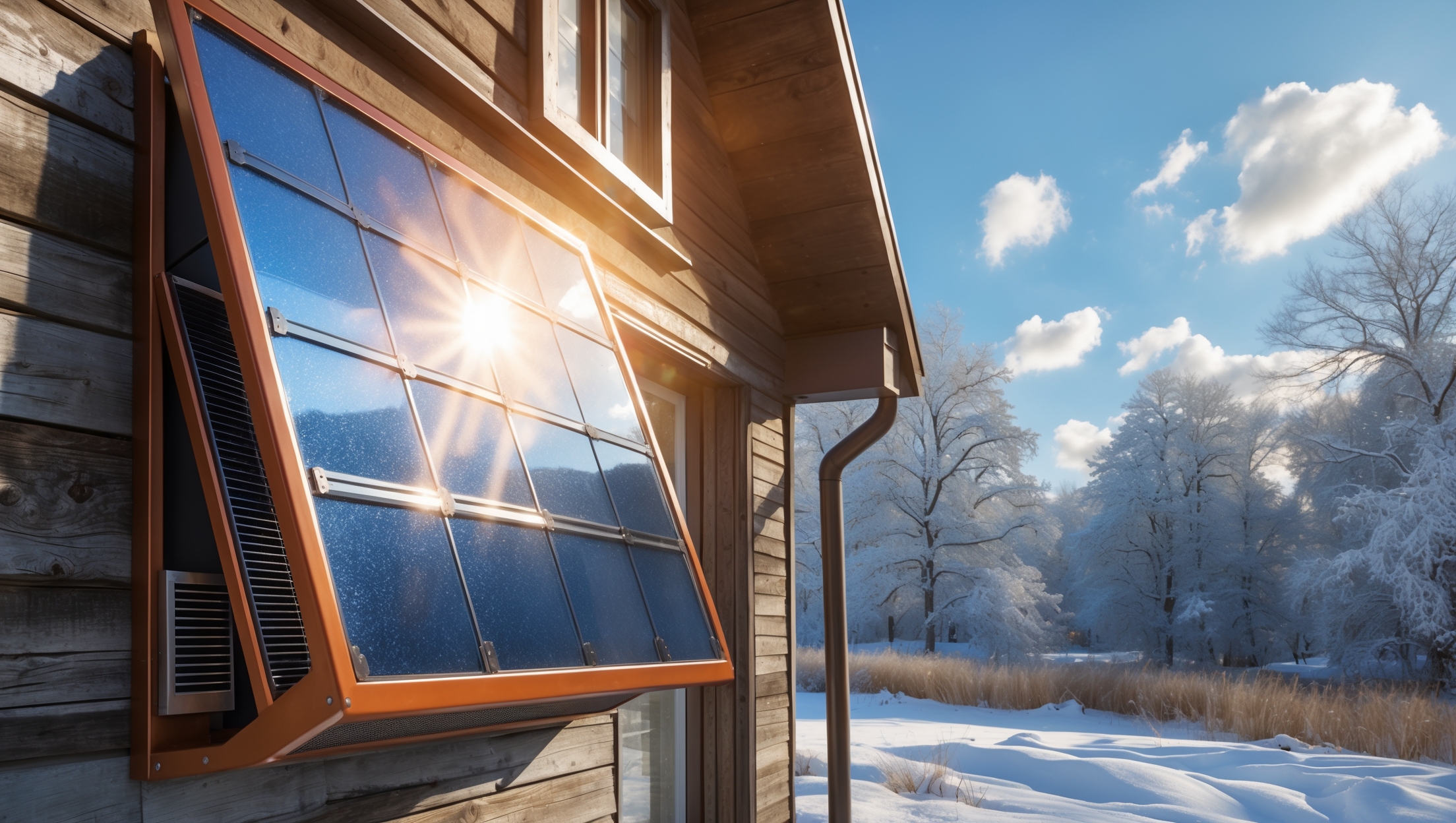
- Solar Collectors: Flat-plate or evacuated tube collectors absorb solar energy, heating a working fluid.
- Heat Transfer Circuit: Pumps and insulated piping circulate the heated fluid to the absorption or adsorption chiller.
- Absorption/Adsorption Chiller: Uses heat from the fluid to drive the cooling cycle, producing chilled water or air.
- Thermal Storage: Tanks or phase change materials store heat for use during cloudy periods or nighttime.
- Distribution System: Fans, radiators, or underfloor coils deliver cooled air or water throughout the home.
- Controls and Sensors: Thermostats, flow meters, and system monitors optimize performance.
Common Maintenance Challenges
- Collector soiling and debris accumulation reducing absorption efficiency
- Fluid leaks or loss of pressure in the heat transfer circuit
- Chiller fouling, scaling, or refrigerant leaks
- Insulation degradation causing heat loss
- Sensor drift or control system malfunctions
- Pump wear and electrical faults
Routine Inspections: What to Check and How Often
Monthly Visual Checks
- Collectors: Inspect for dirt, dust, leaves, bird droppings, or snow. Check for cracks or moisture ingress in the glazing.
- Piping and Joints: Look for signs of leaks, corrosion, or insulation breakdown.
- Pumps and Valves: Listen for unusual noises, vibrations, or signs of overheating.
- Chiller and Storage: Check for external leaks, rust, or condensation where it shouldn’t be.
Quarterly System Tests
- Control Panel: Test alarms, sensors, and system interlocks. Confirm correct temperature and flow readings.
- Pump Operation: Cycle pumps and check for smooth operation and correct flow rates.
- Thermal Storage: Ensure insulation is intact and storage medium is at the correct level and condition.
Annual Professional Inspection
- Full System Pressure Test: Detect hidden leaks and verify pressure stability.
- Fluid Quality Analysis: Test for pH, glycol concentration (if used), and contamination.
- Chiller Servicing: Clean internal heat exchangers, test refrigerant levels, and inspect moving parts.
- Calibration: Recalibrate sensors and control systems for optimal performance.
Cleaning Solar Collectors: Techniques and Frequency
Why Cleanliness Matters
Clean solar collectors are critical for maximum energy absorption. Dust, pollen, bird droppings, and environmental pollutants can reduce efficiency by 10–25% or more, especially in dry or urban areas.
Safe Cleaning Techniques
- Water and Soft Brushes: Rinse collectors with deionized or distilled water. Use a soft brush or sponge to remove stubborn debris. Avoid abrasive pads that can scratch the glass.
- No High-Pressure Washing: High-pressure water can damage seals and glazing. Stick to gentle, low-flow cleaning.
- Timing: Clean in the early morning or late afternoon to avoid thermal shock and streaking.
- Roof Safety: Use proper fall protection, stable ladders, and never clean collectors during wet or windy conditions.
Frequency Recommendations
- Spring and Fall: At minimum, clean twice a year. Increase frequency if you notice performance drops or live in a dusty/polluted area.
- After Storms: Check collectors following major storms or heavy pollen events.
Maintaining the Heat Transfer Circuit
Leak Detection and Repair
- Visual Inspections: Look for damp patches, green or white scale, or drops in system pressure.
- Pressure Monitoring: Install a pressure gauge and log readings monthly. Rapid drops signal leaks.
- Sealant and Joint Replacement: Use solar-rated sealants for minor leaks; replace worn-out fittings or O-rings as needed.
Fluid Maintenance
- Glycol-Based Systems: Test glycol concentration and pH annually. Replace fluid every 3–5 years or as recommended.
- Water-Based Systems: Check for corrosion inhibitors and top off water as needed.
- Filter Cleaning: If equipped, clean or replace inline filters every 6–12 months.
Insulation Integrity
- Inspect pipe insulation for UV damage, tears, or rodent activity. Replace compromised sections promptly.
- Ensure all exterior pipework is weatherproofed to prevent heat loss and freezing.
Absorption/Adsorption Chiller Care
Annual Servicing Tasks
- Heat Exchanger Cleaning: Remove scale and fouling from heat exchanger surfaces. Use manufacturer-approved descaling agents.
- Refrigerant Checks: For systems using refrigerants, inspect for leaks and top up as required.
- Lubrication: Lubricate moving parts such as fans or pumps as per the service manual.
- Gasket and Seal Inspection: Check for hardening or cracking and replace as necessary.
Troubleshooting Common Issues
- Loss of Cooling Output: May indicate fouled heat exchangers, low heat input, or control faults.
- Unusual Noises: Could signal pump cavitation or loose internal components.
- Frequent Cycling: Suggests incorrect system sizing or control calibration errors.
Consult your chiller’s manual for specific maintenance intervals and procedures, as these vary by model and technology.
Maintaining Thermal Storage and Distribution Systems
Thermal Storage Maintenance
- Tank Inspection: Check for corrosion, leaks, or insulation damage annually.
- Stratification Check: Ensure temperature sensors are functioning and the storage medium is adequately stratified (not mixing excessively).
- Vent and Relief Valve Testing: Test safety valves yearly to ensure pressure release mechanisms are operational.
Distribution System Upkeep
- Fan and Pump Maintenance: Clean filters, lubricate bearings, and check electrical connections.
- Duct and Coil Cleaning: Clean air ducts and cooling coils to prevent dust buildup and improve air quality.
- Check for Airlocks: Bleed air from water-based distribution circuits to maintain proper flow rates.
Monitoring and Data Logging for Proactive Maintenance
Setting Up System Monitoring
- Temperature and Flow Sensors: Install sensors at key points—collector outlet, chiller input/output, storage tank, and distribution lines.
- Data Loggers or Smart Controllers: Record performance trends and detect anomalies early.
- Remote Monitoring: Use Wi-Fi-enabled controllers or apps to receive alerts and track performance remotely.
Troubleshooting with Data
- Compare actual performance to historical data and manufacturer specifications.
- Investigate persistent drops in cooling output, collector temperature spikes, or abnormal pump cycling.
Seasonal Maintenance Tips by Climate
Hot, Dry Climates
- Increase collector cleaning frequency due to dust and pollen.
- Check insulation for UV degradation from intense sunlight.
- Monitor for rapid fluid evaporation and top off as necessary.
Humid, Coastal Climates
- Look for salt buildup on collectors and metal components—rinse with fresh water regularly.
- Inspect for corrosion in tanks, pipes, and fittings.
- Check for mold or mildew in insulation and distribution ducts.
Cold Climates
- Ensure glycol concentration is sufficient to prevent freezing.
- Check freeze protection sensors and system drain valves every fall.
- Inspect collector frames and mounts for ice damage.
When to Call a Professional
- Significant drops in system performance that cannot be traced to obvious issues
- Complex electrical or refrigerant-related faults
- Annual deep maintenance and calibration
- Upgrades to control systems or major component replacements
Choose service providers with demonstrated experience in solar thermal cooling technologies, not just general HVAC contractors. Ask for references and verify certifications when possible.
Extending System Lifespan: Expert Recommendations
- Document all maintenance and repairs—keep a logbook or digital record.
- Regularly update system software and controller firmware.
- Invest in high-quality replacement parts and fluids, following manufacturer specs.
- Educate all household members on basic system operation and warning signs of malfunction.
- Consider a preventative maintenance contract with a reputable installer or service company.
Conclusion: Reliable Comfort and Savings Through Proactive Maintenance
Residential solar thermal cooling systems are a forward-thinking investment in sustainable comfort, offering significant reductions in both energy bills and environmental impact. Like any advanced technology, they require a proactive and informed approach to maintenance. By following the best practices outlined in this guide—regular inspections, timely cleaning, fluid monitoring, data-driven troubleshooting, and climate-specific care—you can ensure your system remains efficient, reliable, and long-lived.
Proactive maintenance not only preserves your system’s performance but also safeguards your home’s comfort during extreme weather, prevents costly breakdowns, and upholds the value of your green technology investment. Whether you perform these tasks yourself or rely on specialized professionals, a well-maintained solar thermal cooling system will reward you with decades of dependable service and peace of mind. Embrace these expert strategies, and you’ll enjoy the full financial and environmental benefits of solar-powered cooling—while helping pave the way for a cleaner, more sustainable future.


The article mentions both flat-plate and evacuated tube solar collectors. Is there any difference in maintenance routines or typical issues between these two types, especially when it comes to cleaning schedules or weather-related wear?
Yes, there are some differences in maintenance between flat-plate and evacuated tube solar collectors. Flat-plate collectors usually require more frequent cleaning because their larger surface area collects more dust, leaves, and debris. Evacuated tubes are less prone to dirt buildup and can often go longer between cleanings. In terms of weather-related wear, flat-plate collectors are more sensitive to hail and temperature changes, while evacuated tubes are generally more robust against such stresses. Always follow the manufacturer’s guidelines for your specific system.
The excerpt mentions both DIY and professional service options—how do I know which maintenance tasks are safe to handle myself and which really require an expert, particularly when it comes to cleaning or troubleshooting the heat transfer circuit?
Routine cleaning, like wiping dust off panels or checking for visible debris, is generally safe to do yourself. However, anything involving the heat transfer circuit—such as inspecting or repairing pipes, checking fluid pressure, or addressing leaks—should be left to a professional. These systems use pressurized fluids and specialized components, so expert handling is best for troubleshooting or repairs to avoid safety risks and maintain warranty coverage.
Could you explain a bit more about the difference between absorption and adsorption chillers in terms of maintenance needs? Is one type generally easier for a DIY homeowner to keep running smoothly or troubleshoot if problems come up?
Absorption chillers use a liquid absorbent and typically have more moving parts, which can require more regular checks for leaks, pump function, and fluid quality. Adsorption chillers use a solid adsorbent and generally have fewer moving parts, so they often need less routine maintenance and can be simpler to troubleshoot. For DIY homeowners, adsorption chillers are usually more straightforward to maintain, though both types benefit from periodic professional servicing.
Is there a way to monitor energy savings or performance at home without advanced monitoring systems, maybe by tracking certain indicators from the article’s suggested inspections?
You can definitely track some basic indicators at home without advanced monitoring systems. From the article’s suggested inspections, keep a regular log of indoor temperatures, chiller run times, and utility bills. Noting changes in your monthly energy usage, especially before and after maintenance or adjustments, can help you estimate energy savings. Also, watch for consistent cooling performance and check system pressure and fluid levels as recommended.
Could you clarify how often the solar collectors in these systems should be cleaned or inspected, especially if my area gets a lot of dust? I’m wondering if more frequent upkeep is needed compared to traditional HVAC filters.
If your area experiences a lot of dust, it’s recommended to inspect and clean your solar collectors every one to three months. Dust build-up can significantly reduce efficiency, so more frequent upkeep than traditional HVAC filter replacement is often necessary. Always check after windy or dusty weather, and adjust your schedule if you notice decreased performance.
Could you clarify what the recommended cleaning schedule is for the solar collectors in different climates? I’m based in the Midwest where we get a lot of pollen and dust in spring and summer, and I want to avoid any drop in performance.
In the Midwest, where pollen and dust are common in spring and summer, it’s best to clean your solar collectors every 1–2 months during those high-debris periods. Outside of those seasons, a quarterly cleaning is usually enough. Always check after heavy storms or visible buildup, as keeping the collectors clear ensures they operate at peak efficiency.