

Introduction: Separating Fact from Fiction in Home Air Source Heat Pumps
As the world moves toward more sustainable living solutions, air source heat pumps (ASHPs) are gaining tremendous traction among homeowners seeking efficient, green ways to heat and cool their homes. Yet, despite their increasing popularity, a host of misconceptions and outdated beliefs continue to circulate—some of which may deter eco-conscious individuals from making one of the most impactful energy investments for their households. Whether you’re considering an ASHP for the first time or you’re a seasoned green tech enthusiast, it’s crucial to separate fact from fiction. Misinformation can lead to poor decision-making, missed savings, and disappointment in performance.
This comprehensive guide will debunk the most pervasive myths about home-scale air source heat pumps. We’ll clarify how they work, set realistic expectations, and provide practical insights into their installation, efficiency, and long-term value. Armed with the truth, you’ll be empowered to make smarter choices for your home and the planet. Let’s uncover the real story behind residential air source heat pumps—one myth at a time.
Myth 1: Air Source Heat Pumps Don’t Work in Cold Climates
Understanding Modern Cold Climate Technology
One of the most persistent myths is that ASHPs are only suitable for mild climates, and that they underperform or stop working entirely when temperatures drop below freezing. This belief stems from outdated models and earlier generations of heat pumps, which indeed struggled to extract heat from frigid outdoor air.
However, technological advancements have led to the development of cold climate air source heat pumps (ccASHPs). These systems use advanced inverter-driven compressors and enhanced refrigerant cycles to absorb and transfer heat even at temperatures as low as -20°C (-4°F). Today’s high-efficiency models are specifically engineered for reliable operation in regions with harsh winters, such as the northern United States, Canada, and Scandinavia.
Practical Considerations for Cold Weather Performance
- Choose a model rated for your climate zone and certified by recognized bodies such as the Northeast Energy Efficiency Partnerships (NEEP).
- Proper sizing and professional installation are essential. Undersized units may struggle in extreme cold, while oversized units can short-cycle and reduce efficiency.
- Supplemental heat sources (e.g., electric resistance, pellet stove) may be needed only during rare cold snaps, not as a primary solution.
The takeaway: With the right model and expert installation, ASHPs deliver dependable performance and savings even in frosty climates.
Myth 2: Air Source Heat Pumps Are Noisy and Disruptive
Noise Levels and Modern Design
Older heat pump units sometimes generated noticeable noise during operation, leading to concerns about disturbance near bedrooms, patios, or property lines. However, technological evolution has dramatically reduced the sound output of contemporary ASHPs.
- Modern outdoor units typically operate at 40–55 decibels, comparable to a quiet conversation or background music.
- Variable-speed fans and compressors modulate operation to minimize both noise and energy use.
- Strategic placement—such as installing the unit away from windows or using sound-dampening mounts—further reduces audible impact.
In practice, most homeowners find modern ASHPs no more disruptive than a standard refrigerator or conventional HVAC outdoor unit.
Myth 3: Installing an Air Source Heat Pump Is Too Expensive for Most Homeowners
Upfront Costs vs. Lifetime Savings
It’s easy to be discouraged by the sticker price of a new ASHP system, especially when compared to replacing a conventional furnace or air conditioner. However, this myth fails to consider the total cost of ownership and the generous incentives now available in many regions.
- Upfront costs for a typical single-family home range from $4,000–$8,000 per installed unit, depending on home size, ductwork, and system complexity.
- Federal, state, and local governments frequently offer rebates, tax credits, or low-interest financing that can offset 20–60% of installation costs.
- Operating costs are dramatically lower than traditional electric, oil, or propane heating—often resulting in annual savings of $500–$1,500, depending on climate and energy prices.
- Over a 10–15 year lifespan, most ASHPs pay for themselves and more, especially as fossil fuel prices fluctuate.
Consider the whole financial picture—including incentives and energy savings—before dismissing ASHPs as cost-prohibitive.
Myth 4: Air Source Heat Pumps Can’t Provide Enough Hot Water for the Whole Family
Heat Pump Water Heaters (HPWHs) Explained
Some believe that ASHPs are only for space heating and cooling, and cannot deliver sufficient hot water for daily household needs. In reality, dedicated heat pump water heaters (HPWHs) use the same high-efficiency technology to heat water for bathing, cooking, and laundry.
- HPWHs are available in various tank sizes (typically 50–80 gallons), suitable for families of all sizes.
- Most models can deliver continuous hot water even during high-demand periods, thanks to rapid recovery rates and smart controls.
- Compared to electric resistance heaters, HPWHs use 60–70% less energy, further boosting overall home efficiency.
For larger households or homes with high hot water demand, hybrid setups (pairing HPWH with solar thermal or backup electric elements) can deliver even greater performance and reliability.
Myth 5: Air Source Heat Pumps Are Only for New Homes or Major Renovations
Retrofit Flexibility
There’s a misconception that ASHPs are only practical for new construction or when undertaking a deep energy retrofit. In fact, many ASHPs are designed for easy retrofitting into existing homes, with or without ductwork.
- Ductless (mini-split) ASHPs are perfect for older homes without existing ductwork. Installation involves minimal disruption—just a small hole for refrigerant lines and electrical wiring.
- Ducted ASHPs can often use existing ductwork, provided it’s in good condition and properly sized.
- Multi-zone systems allow for customized comfort in individual rooms, ideal for additions or converted spaces.
Professional installers can assess your home’s suitability and recommend the best approach for seamless integration.
Myth 6: Air Source Heat Pumps Require Constant Maintenance and Are Unreliable
Maintenance Demands and Reliability
Some homeowners worry that ASHPs are finicky, prone to breakdowns, or require constant servicing. In reality, they are among the most reliable and low-maintenance HVAC technologies available when properly installed.
- Routine maintenance typically involves cleaning or replacing air filters, checking refrigerant levels, and inspecting outdoor coils once or twice per year.
- Modern systems use sealed refrigerant circuits and durable components designed for long-term reliability.
- Many manufacturers offer warranties of 10–12 years on compressors and 5–10 years on parts.
Annual checkups by a qualified technician can prevent most issues and maximize efficiency. Compared to combustion-based systems, ASHPs have fewer moving parts, no fuel combustion, and thus fewer failure points.
Myth 7: Air Source Heat Pumps Are Ineffective for Cooling
Year-Round Comfort Advantages
While primarily marketed for heating, ASHPs are reverse-cycle systems that provide highly efficient cooling as well. When in cooling mode, they operate much like a traditional air conditioner—removing heat from indoors and releasing it outside.
- SEER (Seasonal Energy Efficiency Ratio) ratings for modern ASHPs are on par with or better than conventional central AC units.
- Variable-speed compressors and smart thermostats allow for fine-tuned control and stable indoor temperatures even during heatwaves.
In addition, because ASHPs can both heat and cool, you can eliminate the need for separate furnace and air conditioning systems, simplifying maintenance and reducing capital costs.
Myth 8: Air Source Heat Pumps Are Bad for the Environment Due to Refrigerants
Environmental Impact: The Full Picture
It’s true that ASHPs use refrigerants, some of which historically have had high global warming potential (GWP). However, this does not mean that heat pumps are bad for the environment overall.
- Modern ASHPs use advanced refrigerants like R32 or R454B, which have significantly lower GWP compared to older chemicals like R410A or R22.
- Proper installation and end-of-life recycling protocols minimize refrigerant leakage and environmental impact.
- The emissions reductions from switching to a high-efficiency heat pump—especially if powered by renewable electricity—far outweigh the environmental cost associated with refrigerants.
When considering the full lifecycle and the carbon footprint of heating/cooling, ASHPs are one of the cleanest technologies available today.
Myth 9: You Can’t Use Air Source Heat Pumps with Solar Panels
Perfect Partners for Net-Zero Homes
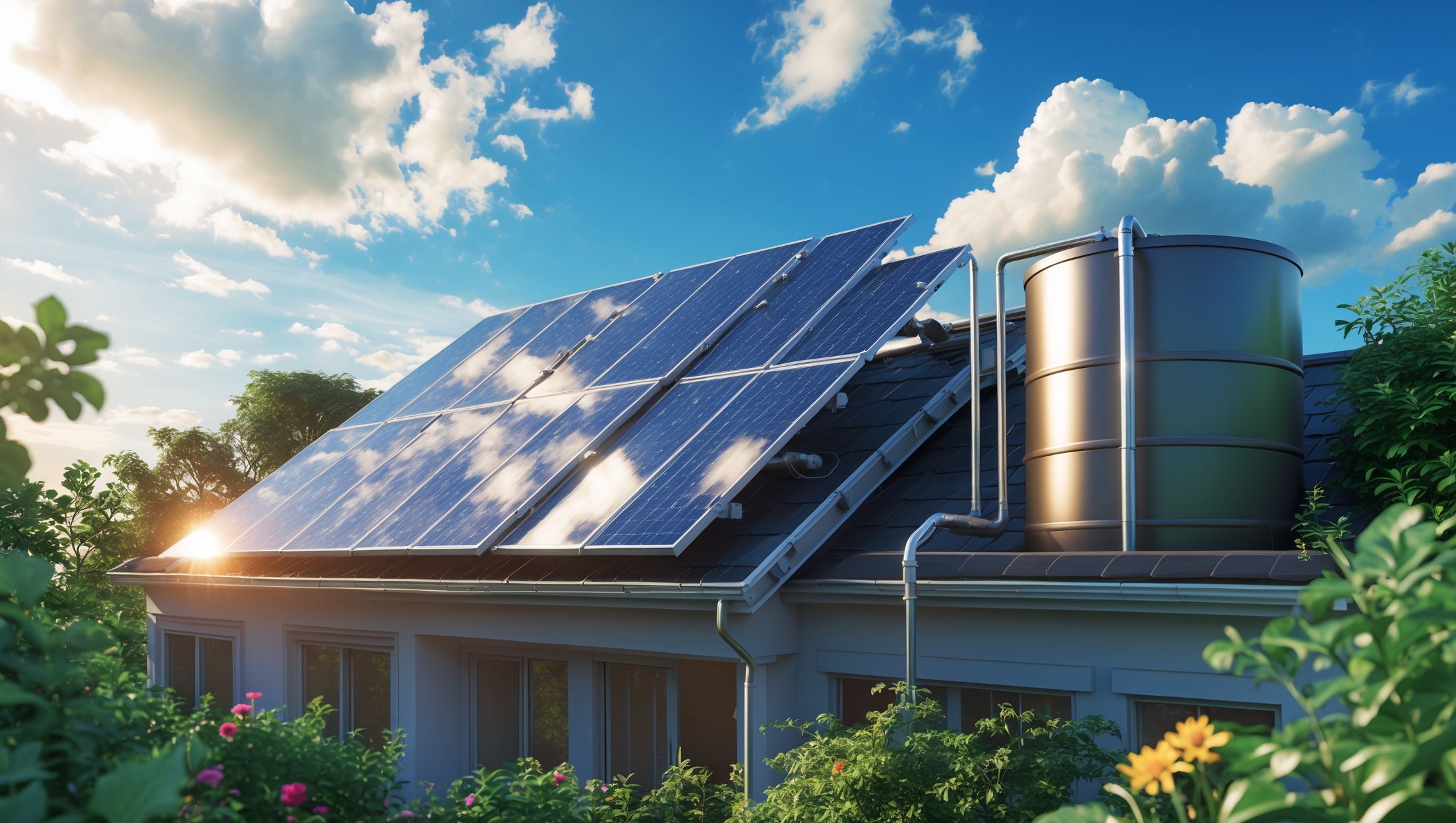
Some believe that because ASHPs are electrically powered, they are at odds with renewable energy goals. In reality, pairing a heat pump with rooftop solar is one of the most effective ways to reduce your home’s carbon footprint and move toward net-zero living.
- Solar PV systems can provide much or all of the electricity required to run your ASHP, especially if sized appropriately.
- Many modern inverters and smart home energy management systems allow you to prioritize heat pump operation when solar generation is highest, maximizing self-consumption.
- Battery storage can further increase your ability to use solar energy for heating and cooling, even at night or during cloudy periods.
This synergy between ASHPs and solar not only reduces emissions but also shields you from volatile grid electricity prices.
Myth 10: Air Source Heat Pumps Aren’t Suitable for Large or Older Homes
System Sizing and Zoning
There’s a notion that ASHPs can’t handle the heating and cooling demands of larger or older, less-insulated homes. While it’s true that home performance upgrades (like insulation and air sealing) improve heat pump efficiency, today’s systems are available in a wide range of capacities and configurations.
- Multi-zone ductless or ducted systems allow for tailored solutions in homes of all sizes.
- Properly sized units—determined by a professional Manual J load calculation—can efficiently serve even large, multi-story residences.
- For drafty or poorly insulated homes, combining targeted weatherization upgrades with heat pump installation yields the best results in comfort, efficiency, and cost savings.
Don’t write off ASHPs for your home without a detailed assessment by a qualified energy specialist.
How to Evaluate If an Air Source Heat Pump Is Right for Your Home
Key Questions to Ask
- What is your climate zone, and are you considering a unit rated for cold climates?
- Do you have existing ductwork in good condition, or would ductless mini-splits be more appropriate?
- Have you completed basic weatherization and insulation upgrades?
- Are you eligible for local incentives or rebates?
- Is solar PV an option for your property?
Expert Consultation
The most reliable way to determine suitability is to consult with a certified HVAC professional with experience in heat pump systems. They can perform a home energy audit, recommend the right system, and provide a detailed proposal that includes installation, expected performance, and total cost of ownership.
Conclusion: Make an Informed Choice for a Sustainable Future
Air source heat pumps stand at the forefront of sustainable home energy technology, offering a powerful combination of efficiency, cost savings, and environmental stewardship. Yet, persistent myths and misconceptions can cloud judgment and lead homeowners to overlook a transformative solution. As we’ve explored in this guide, the reality is far more optimistic than the rumors suggest: Modern ASHPs excel in cold climates, operate quietly, provide heating and cooling for homes of all sizes, and integrate seamlessly with renewable energy systems.
By debunking these common myths, you’re now equipped with the knowledge to make a confident, informed decision about your next steps. Remember, the key to long-term satisfaction lies in choosing the right system for your climate and home, ensuring professional installation, and keeping up with simple maintenance. Don’t let outdated beliefs hold you back from unlocking the benefits of air source heat pumps—reduced energy bills, improved comfort, and a lighter environmental footprint.
If you’re ready to take the next step, reach out to a trusted energy consultant or local HVAC professional. With the right advice and a clear understanding of the facts, you can join the growing movement of homeowners embracing a cleaner, greener, and more resilient future—one heat pump at a time.

You mention that new cold climate air source heat pumps can work reliably even at -4°F. If I live in a place like Minnesota where it sometimes gets even colder, should I expect any issues with efficiency or need a backup heating system for those extra cold nights?
In very cold places like Minnesota, even the best cold climate air source heat pumps can lose efficiency during extreme cold snaps below -4°F. While they’ll still operate, you may notice higher energy use and less heat output. Many homeowners in these regions use a backup heating system, such as electric resistance heaters or a gas furnace, to cover those rare extra-cold nights and ensure comfort all winter.
After installing a ccASHP, how quickly could I expect to notice differences in my energy bills compared to my old oil furnace? Is there a typical payback period homeowners in colder US regions can look forward to?
You can usually notice changes in your energy bills within the first full billing cycle after switching to a ccASHP, often within one or two months. The typical payback period in colder US regions ranges from 5 to 10 years, depending on factors like your home’s insulation, electricity rates, and how much you used your oil furnace before. Monitoring your usage and bills over the first year will give you a clearer picture of your savings.
For someone on a limited budget, are there specific features or models of air source heat pumps you recommend prioritizing to ensure good performance in areas that see occasional temperatures below zero?
If you’re on a budget and live in an area where it occasionally drops below zero, look for heat pump models labeled as ‘cold climate’ or with a low minimum operating temperature, ideally down to -15°C or lower. Prioritize units with inverter-driven compressors for efficiency and reliable performance in colder weather. Some brands offer entry-level cold climate models that balance cost and capability without extra features you may not need.
For families like mine with young kids and parents gone most of the day, is there a way to program these modern ASHPs so we don’t waste energy heating or cooling an empty house?
Absolutely, most modern air source heat pumps (ASHPs) come with programmable thermostats or smart controls. You can schedule the system to lower heating or cooling when the house is empty and have it return to a comfortable temperature just before your family gets home. Some models also let you adjust settings remotely through an app, giving you even more control over energy use.
You mention practical insights into installation. For a small business building that’s about 2,000 square feet, what kind of disruptions or business downtime should we realistically expect during an ASHP installation?
For a 2,000 square foot small business, installing an air source heat pump typically involves some noise, possible dust, and limited access to certain areas for one to three days. Most work can be scheduled during off-hours to reduce business interruptions. You may need to briefly close specific rooms or adjust office layouts while installers run piping and set up the units, but full shutdowns are rarely necessary.
I had always heard air source heat pumps can’t handle really cold weather, so I’m surprised to learn that new models can work down to -4°F. How do I make sure I’m choosing a unit that actually performs well in a place with winters like Michigan?
To ensure your heat pump performs well in Michigan winters, look for models specifically labeled as “cold climate” or with a high HSPF (Heating Seasonal Performance Factor) rating. Check the manufacturer’s specs for the minimum outdoor operating temperature—many newer units list performance data at sub-zero temperatures. Also, consider brands known for robust cold weather performance and ask your installer about sizing for your home’s heat loss.
You talk about cold climate heat pumps using advanced inverter-driven compressors. How do I know if the model I’m looking at actually has this technology, and is it a lot more expensive than the standard units?
To check if a heat pump uses advanced inverter-driven compressors, look for terms like ‘inverter technology’, ‘variable speed compressor’, or ‘modulating compressor’ in the product specifications or brochure. You can also ask the retailer or installer directly. These models typically cost more upfront than standard single-speed units, but the higher efficiency and improved cold-weather performance can lead to lower energy bills over time.