

As the days grow longer and the sun climbs higher, homeowners with solar thermal systems have a golden opportunity to maximize energy savings and hot water output. Your solar thermal system works hardest during the summer, when sunlight is abundant but system strain and inefficiencies can also peak. Preparing your setup for this demanding season ensures you reap the full benefits of renewable energy, avoid costly hiccups, and extend your system’s lifespan. This comprehensive seasonal checklist will walk you through every crucial step, from technical inspections and cleaning routines to system adjustments and efficiency tweaks. Whether you’re a seasoned solar thermal user or just entering your first summer, following this expert guide will help you achieve optimal performance and peace of mind.
Understanding the Summer Challenge for Solar Thermal Systems
Summer offers the perfect environment for solar thermal collectors—long, sunny days and minimal cloud cover. However, it also introduces unique challenges:
- Overheating risk: Excess solar gain can lead to stagnation and overheating, especially if hot water demand drops when you’re away on vacation.
- Scaling and mineral buildup: Warm temperatures accelerate scale formation, particularly in hard water areas.
- Increased system pressure: Higher ambient temperatures can cause expansion in piping and fluid, stressing your system’s safety features.
- Maintenance backlog: Neglecting routine checks can lead to inefficiencies just when you need peak output.
With these factors in mind, let’s dive into a step-by-step summer preparation checklist.
1. Inspecting Your Solar Thermal Collectors
Visual Check for Damage and Debris
Begin with a careful visual inspection of your collectors, preferably in the morning or late afternoon to avoid direct glare:
- Look for cracks, discoloration, or clouding on glazed surfaces.
- Check for loose mounting hardware or shifting due to wind or animal activity.
- Remove any leaves, branches, or nesting material, paying special attention to corners and mounting brackets.
Cleaning the Collector Surface
Dust, pollen, and bird droppings can severely reduce collector efficiency. Here’s how to clean safely:
- Use a soft-bristled brush to gently sweep off dry debris.
- Rinse with a hose using low pressure. Avoid high-pressure washers, which can damage seals.
- If needed, use a mix of lukewarm water and mild, non-abrasive soap, applying with a soft sponge.
- Never climb onto a wet or sloped roof without professional safety equipment.
2. Checking System Fluid and Pressure
Assessing Heat Transfer Fluid
The heat transfer fluid (often glycol mix) is central to system performance. Summer is an ideal time to check:
- Inspect fluid level in the expansion tank. Top up if below manufacturer’s minimum.
- Look for signs of leaks—damp spots, staining, or drops in pressure.
- Test antifreeze concentration if your system uses glycol. Warm temperatures can degrade fluid faster.
- If the fluid appears cloudy or rusty, schedule a full system flush.
Monitoring System Pressure
As solar gain increases, so does system pressure. Check the pressure gauge (usually near the pump or expansion vessel):
- Verify it’s within the recommended range for your system (often 1–2 bar for residential setups).
- If pressure is consistently low, check for leaks or air in the loop. Bleed air valves as needed.
- High pressure may indicate overheating or a failing expansion vessel—address promptly.
3. Inspecting and Servicing Valves and Pumps
Check All Valves for Function and Leaks
Valves control system flow and safety. Before summer’s peak, ensure:
- Isolation and mixing valves operate smoothly without sticking.
- Pressure relief valves are free of corrosion and drip marks.
- Drain valves close tightly and show no signs of seepage.
Pump Operation and Settings
The circulation pump is the workhorse of your solar thermal system. Summer is the time for:
- Listening for unusual noises—grinding, squealing, or rattling suggest worn bearings.
- Verifying the pump cycles on and off appropriately with the controller.
- Cleaning pump strainers/filters if accessible.
- Check wiring and connections for signs of heat damage or wear.
4. Inspecting the Storage Tank and Heat Exchanger
Tank Insulation and Integrity
Proper insulation keeps your hot water hot and reduces standby losses. Inspect:
- Insulation jackets for dampness, mold, or rodent damage.
- All seams and joints for gaps or peeled tape.
- Tank body for signs of rust, especially around plumbing connections.
Heat Exchanger Performance
Scale buildup in the heat exchanger can dramatically reduce efficiency:
- If you notice reduced hot water flow or lukewarm temperatures, consider a professional descaling.
- Check for leaks at exchanger connections.
5. Testing Controller and Sensor Functionality
Controller Settings Review
Modern solar thermal systems rely on digital controllers to optimize performance. Before summer:
- Review temperature set points and pump activation thresholds—adjust for expected summer highs.
- Test manual override functions to ensure they respond instantly.
- Update firmware if your controller supports it.
Sensor Calibration and Placement
Temperature sensors can drift or become shaded:
- Verify sensors are securely attached to the collector and storage tank in the recommended locations.
- Check for loose wires or corrosion at contacts.
- Compare sensor readings to a handheld thermometer for accuracy. Replace faulty sensors promptly.
6. Preventing and Managing Overheating
Strategies for Excess Heat
When your system produces more heat than you need, it risks stagnation or fluid degradation. Consider:
- Using a heat dump radiator or auxiliary loop to dissipate excess heat.
- Programming your controller to trigger heat dissipation during periods of low demand.
- Temporarily covering part of the collector array if you’ll be away for an extended period.
- Installing an automatic vent or pressure relief valve if not already present.
Hot Water Usage Planning
Coordinate high-demand activities (laundry, showers, dishwashing) for midday to use the surplus hot water and prevent system stagnation.
7. Addressing Scaling and Water Quality
Preventing Scale Buildup
Hard water is a summer menace. If you live in a hard water area:
- Install a water softener upstream of your solar storage tank.
- Schedule annual descaling for the tank and heat exchanger.
- Use corrosion inhibitors as recommended by your installer.
Checking for Microbial Growth
Warm standing water can promote microbial growth. To prevent this:
- Regularly cycle water in rarely-used outlets.
- Maintain tank temperatures above 60°C (140°F) to inhibit bacteria.
8. Reviewing Insulation and Pipework
Outdoor Pipe Insulation
Summer UV rays can degrade pipe insulation, leading to heat loss and reduced efficiency:
- Inspect all external insulation for cracks, brittleness, or peeling.
- Replace or wrap with UV-resistant insulation as needed.
Pipe Joint Integrity
Expansion and contraction during hot days can loosen joints:
- Tighten loose unions and check for slow leaks.
- Replace worn gaskets or O-rings.
9. System Documentation and Emergency Plan
Update Your Maintenance Log
Record all inspection dates, fluid top-ups, pressure readings, and repairs. This helps with troubleshooting and warranty claims.
Emergency Shutdown Procedure
Review and rehearse the steps to safely shut down your system in case of overheating, leaks, or electrical faults. Ensure all adults in the household are familiar with:
- Location of isolation valves and circuit breakers.
- Emergency contact numbers for your installer or service provider.
10. Bonus: Energy Optimization Tips for Summer
- Install a timer or smart controller to match pump operation to your actual hot water demand.
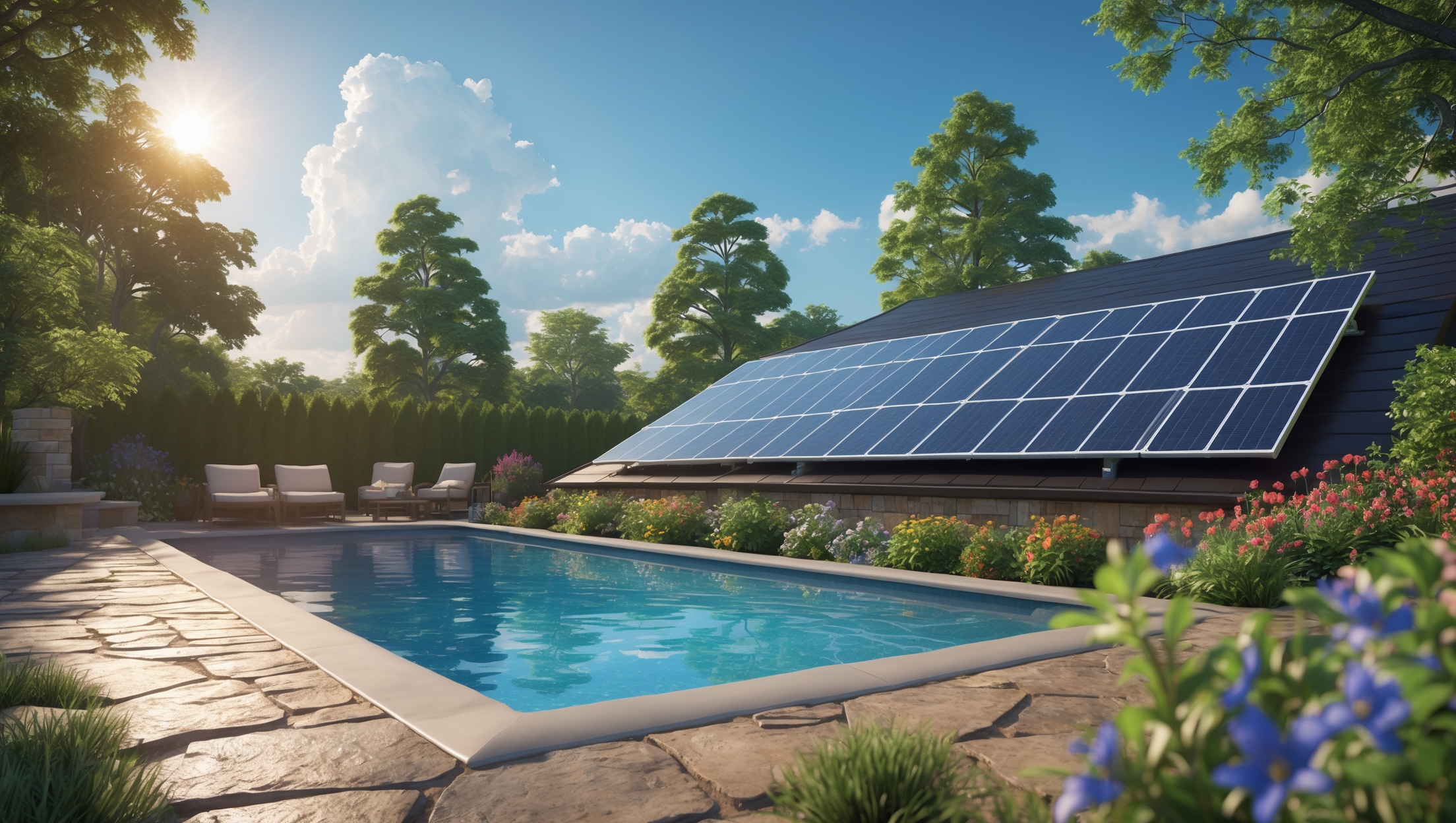
- Consider integrating your solar thermal system with a secondary use, such as pool heating during peak months.
- Monitor your energy savings via utility bills or a dedicated energy monitoring app to track improvements.
Conclusion: The Payoff of Proactive Summer Prep
Taking time to thoroughly prepare your home solar thermal system for the intense demands of summer is an investment that pays dividends in performance, reliability, and peace of mind. Unlike the hands-off approach that leads to mid-season breakdowns or disappointing energy savings, a systematic checklist empowers you to catch small issues before they escalate—and to fine-tune your system for the very best results.
As you complete each step, you’ll not only increase the life and output of your solar thermal setup but also reduce your carbon footprint and utility bills. Summer is when your system can truly shine, delivering abundant hot water and maximizing the return on your renewable energy investment. Whether you’re a DIY enthusiast or prefer to work with a professional installer, following this expert-approved seasonal checklist ensures your system is safe, efficient, and ready to deliver sustainable comfort all summer long. With a little preparation now, you can sit back and enjoy the sun’s bounty—confident that your home is running on the cleanest, greenest energy available.


You mention the risk of stagnation and overheating if hot water demand drops during vacation. What’s the best way to safely protect my solar thermal system if my family is away for a couple of weeks in midsummer?
If your family will be away during peak sun, you can protect your solar thermal system by using a system ‘holiday mode’ if your controller offers one, which reduces heat collection. Alternatively, covering some collectors temporarily with a reflective material limits heat gain. Another option is to ask someone to use some hot water every few days, or divert excess heat to a secondary load, like a pool. Avoid simply turning off the circulation pump, as this can cause even more overheating.
I noticed you mentioned possible overheating if hot water demand drops, like during a vacation. What’s the best way to safely manage or prevent this overheating while we’re away from home?
To prevent overheating when you’re away, you can cover some or all of your solar collectors with a reflective tarp or material, which limits heat absorption. Alternatively, if your system has a ‘holiday mode’ or bypass setting, engage it before leaving. You can also schedule a neighbor to use some hot water or consult your installer about installing a heat dump or automatic diversion system for future trips.
When preparing a solar thermal system for increased summer demand, are there affordable upgrades or adjustments homeowners can make to improve efficiency without a full overhaul?
Absolutely, there are several affordable steps you can take to boost your solar thermal system’s efficiency for summer. Cleaning the collectors and checking for shading or debris is an easy first step. Upgrading insulation on pipes and storage tanks can reduce heat loss. Adding a solar controller or flow adjustment valve can improve heat collection. Regularly checking and topping up heat transfer fluids also helps maintain system performance without needing a full upgrade.
Can you provide an estimate of the typical maintenance costs or time investment required to follow this summer preparation checklist for an average home solar thermal setup?
For an average home solar thermal system, following the summer preparation checklist usually requires 2 to 4 hours of your time if you handle it yourself. If you hire a professional, maintenance costs typically range from $100 to $250, depending on your location and system complexity. This covers checking for leaks, cleaning collectors, inspecting insulation, and verifying system pressure.