
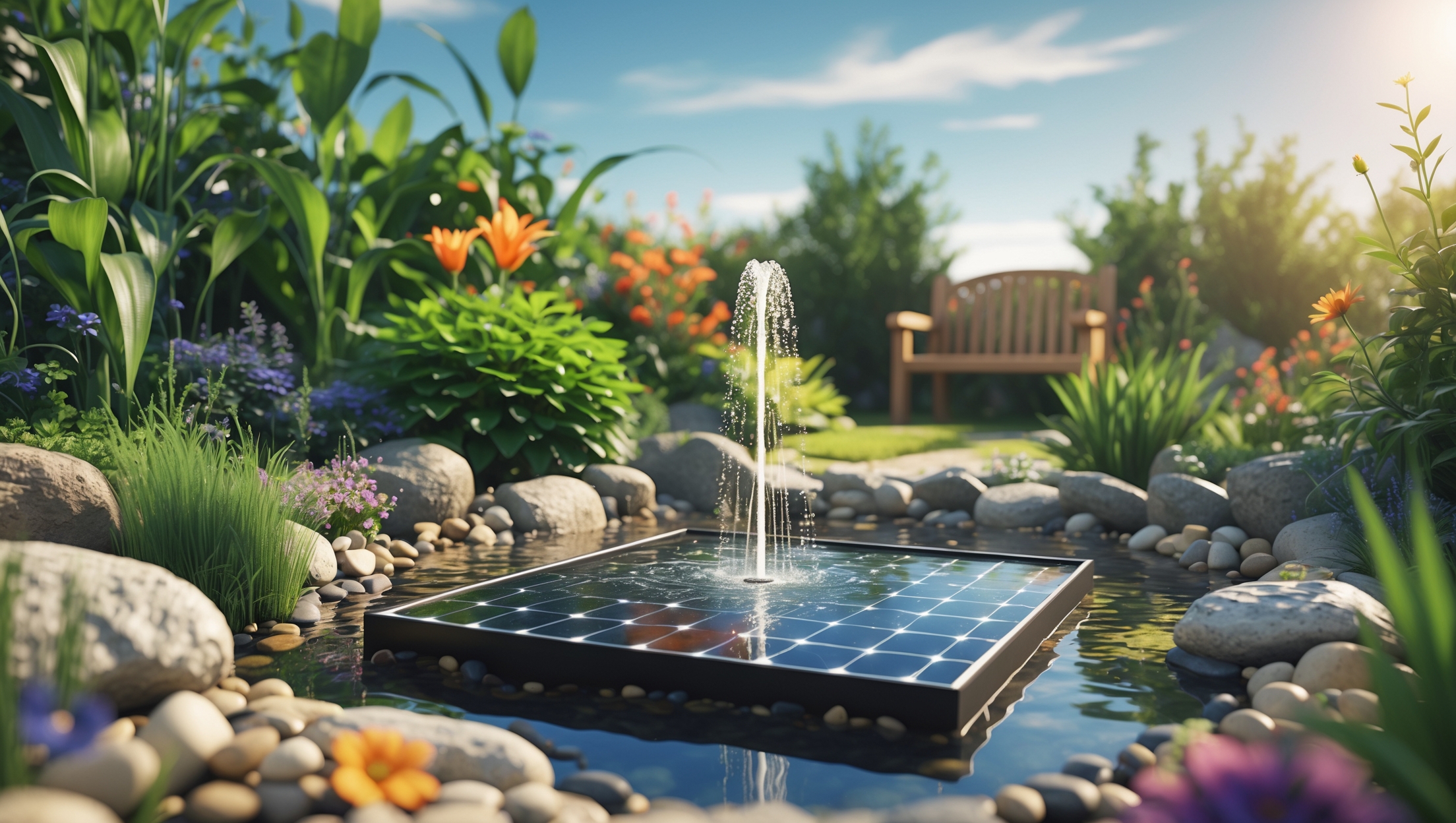
Introduction: The Allure and Practicality of Solar-Powered Water Features
Solar-powered water features are more than just eye-catching additions to your landscape—they represent a commitment to sustainability, self-sufficiency, and environmental stewardship. Whether you dream of a bubbling garden fountain, a serene koi pond, or a cascading waterfall, integrating solar energy reduces your carbon footprint and eliminates ongoing electricity bills. Yet, as with any home improvement project, costs can quickly spiral without careful planning. Understanding the real expenses involved, from initial setup to long-term maintenance, is crucial for a successful, financially sustainable project. This guide dives deep into the true cost breakdown and offers practical budgeting strategies for building and enjoying your own DIY solar-powered water feature. You’ll learn what to expect at every stage, how to avoid common financial pitfalls, and how to make informed decisions that balance aesthetics, functionality, and eco-consciousness. Whether you’re a first-time DIYer or a seasoned sustainable living enthusiast, this comprehensive guide equips you to plan, budget, and build your solar water feature with confidence.
Understanding Solar-Powered Water Features: Types and Considerations
Popular Types of Solar-Powered Water Features
- Solar Fountains: Standalone units or integrated into ponds, providing moving water and visual appeal.
- Solar Waterfalls: Multi-tiered or wall-mounted features, often requiring higher pump capacity.
- Solar Ponds: Larger installations with fish and aquatic plants, needing continuous circulation and filtration.
- Solar Birdbaths: Smaller, self-contained features ideal for compact spaces.
Key Factors Affecting Costs
- Feature Size and Complexity: Larger, multi-level systems cost more in materials and labor.
- Pump and Panel Sizing: The power needs of your pump dictate the size (and price) of your solar panel.
- Materials: Choices like natural stone, ceramic, or pre-formed basins impact both upfront and maintenance costs.
- Location and Sun Exposure: Shady spots may require more advanced (and expensive) solar setups.
- Additional Components: Batteries for night operation, filtration systems, and lights all add to the budget.
Initial Investment: Detailed Cost Breakdown
1. Solar Pump and Panel Kit
- Basic Fountain Kit: $50–$150 — Includes a small solar panel and low-capacity pump, suitable for birdbaths or tabletop fountains.
- Mid-Range Pond/Fountain Kit: $150–$500 — For small to medium ponds or waterfalls; includes higher-wattage panel and more powerful pump.
- Advanced Kit with Battery Storage: $400–$1,200 — Includes battery for night/cloudy operation, higher-capacity pumps and panels, often with a controller.
2. Water Feature Basin/Structure
- Pre-formed Plastic Pond: $60–$300 — Easiest to install, durable, available in various shapes and sizes.
- Custom-Lined Pond (with EPDM liner): $150–$600 — For irregular shapes or larger features; costs include liner, underlayment, and edging.
- Natural Stone or Concrete: $200–$1,000+ — Offers premium aesthetics, but requires more labor and materials.
3. Plumbing and Accessories
- Tubing and Connectors: $20–$60 — For directing water between pump, features, and outlet.
- Filtration (Optional): $40–$250 — Essential for ponds with fish or heavy debris.
- Water Treatments and Test Kits: $15–$50 — For maintaining water quality.
4. Landscaping and Decorative Elements
- Rocks and Gravel: $50–$300 — For edge finishing, waterfall construction, or naturalistic design.
- Aquatic Plants: $30–$150 — Adds beauty and improves water quality.
- Lighting (Solar or Low-Voltage): $40–$200 — For nighttime ambiance.
5. Tools and Installation Materials
- Basic Tools: $0–$100 — Most projects require shovels, levels, and hand tools you may already own.
- Sealants, Foams, Fasteners: $20–$60 — For leak protection and securing elements.
Total Typical Startup Cost Range
- Small Solar Fountain: $150–$400
- Medium Pond with Waterfall: $600–$2,000
- Large, Custom Solar Pond: $1,200–$3,500+
These estimates exclude specialized labor, as most DIYers handle installation themselves. Hiring professional help can increase overall costs by 30–100% depending on complexity.
Hidden and Ongoing Costs to Consider
Replacement and Wear Items
- Pumps: $40–$200 every 3–5 years (lifespan depends on water quality and use).
- Batteries: $80–$300 every 2–5 years for systems with night operation.
- Lights and Bulbs: $10–$50 every 1–3 years.
Maintenance Supplies
- Water Treatments: $20–$60/year (algaecide, dechlorinators, beneficial bacteria).
- Filter Media: $15–$40/year for cleaning/replacement.
- Plant Care: $10–$50/year for fertilizers and replacements.
Seasonal Costs
- Winterization (if required): $0–$100 for covers, heaters, or moving pumps indoors.
- Water Top-Ups: $10–$40/year for evaporation losses (minimal utility cost, but worth noting).
Potential Unforeseen Costs
- Repairs for leaks, cracked liners, or malfunctioning equipment.
- Upgrades for increased performance or aesthetic improvements.
- Pest or wildlife management (e.g., bird netting, deterrents).
Budgeting Strategies for a Successful DIY Project
Set Clear Priorities Early
Decide what matters most: visual impact, wildlife habitat, low maintenance, or 24/7 operation. Prioritize features that align with your main goal. For most, investing in a high-quality pump and solar panel pays off in longevity and reliability.
Start Simple and Scale Up
Begin with a basic system and add complexity (like waterfalls, lighting, or battery backup) as your budget allows. Many components, such as pumps and panels, can be upgraded later without redoing the entire setup.
Shop Smart for Materials
- Look for kits or bundles, which often save 10–20% over buying components separately.
- Source rocks, gravel, or plants locally to avoid shipping fees.
- Check local classifieds or garden centers for gently used or surplus supplies.
DIY Labor: Know Your Limits
Labor is often the biggest hidden cost—your own time. Be realistic about your skills and schedule. For complex installations (especially large ponds or electrical work), consider hiring help for specific tasks to avoid costly mistakes down the line.
Budget for the Long Term
- Allocate 10–20% of your initial budget for future repairs and upgrades.
- Track your actual spending vs. estimates to refine your approach for future projects.
Sample Budgets for Common Solar Water Features
Small Solar Birdbath Fountain: Budget Example
- Solar fountain kit: $80
- Pre-formed birdbath basin: $60
- Decorative stones/plants: $30
- Tools/sealants: $20
- Total: $190
Medium Garden Pond with Solar Waterfall: Budget Example
- Solar panel & pump kit (30W/600GPH): $400
- Pond liner & underlayment: $250
- Plumbing/filtration: $120
- Rocks, gravel, aquatic plants: $250
- Lighting: $80
- Tools/sealants: $40
- Total: $1,140
Large Custom Solar Koi Pond: Budget Example
- High-capacity solar kit (100W+/1,500GPH): $900
- Custom pond liner & underlayment: $500
- Waterfall spillway, plumbing, filtration: $350
- Rocks, boulders, gravel: $600
- Extensive aquatic plants: $150
- Battery backup & charge controller: $400
- Lighting: $120
- Tools/sealants: $80
- Total: $3,100
Annual Running Costs (All Sizes)
- Pump/filter wear and tear: $40–$120
- Water treatments/supplies: $20–$60
- Lighting/battery replacement (if needed): $20–$50
- Total: $80–$230/year
Cost-Saving Tips Without Sacrificing Sustainability
- Reuse and repurpose materials (old tubs, barrels, or bricks).
- Opt for native aquatic plants to reduce maintenance and replacement costs.
- Use a solar timer or controller to operate pumps only when needed, extending lifespan.
- Design for easy maintenance—accessible pumps and filters save time and money long-term.
- Monitor water levels and quality regularly to prevent expensive problems.
When to Consider Professional Help
While most solar water features are approachable DIY projects, certain circumstances justify professional input:
- Complex pond shapes or multi-tiered waterfalls requiring excavation and structural support.
- Electrical integration beyond plug-and-play solar kits (e.g., grid-tied systems, advanced timers).
- Waterproofing and sealing in challenging soil or high water table areas.
- Accessibility or code compliance for larger, permanent installations.
Professional consultation can prevent expensive mistakes and ensure your water feature is safe, efficient, and up to local standards.
Budgeting Tools and Resources
- Online Calculators: Many solar equipment suppliers offer calculators for sizing panels and pumps based on water volume and lift height.
- Budget Spreadsheets: Track every expense, including estimated vs. actual costs, to avoid overruns.
- Community Forums: Online groups often share real-world cost breakdowns and supplier recommendations.
- Manufacturer Support: Don’t hesitate to reach out for technical specs, compatibility, and warranty details before purchase.
Conclusion: Building a Sustainable, Affordable, and Enjoyable Solar Water Feature
A DIY solar-powered water feature can transform any outdoor space into a tranquil, eco-friendly retreat. With careful planning and a realistic understanding of both upfront and ongoing costs, your project can be both sustainable and financially manageable. By prioritizing quality components, starting with a simple design, and budgeting for future maintenance, you’ll avoid common financial pitfalls and ensure years of reliable, green enjoyment. Remember that the most rewarding solar water features are those tailored to your unique space, lifestyle, and sustainability goals. Start with a clear budget, track your spending, and don’t be afraid to seek out advice or professional help for complex tasks. Over time, the minimal running costs and zero energy bills will pay back your investment—both financially and environmentally. Dive into your project with confidence, knowing you’re creating not just a beautiful focal point, but a living example of sustainable living and responsible resource use.


If I want to keep my project under $500, which type of solar-powered water feature would you recommend starting with, considering both materials and equipment? Has anyone had success doing a small pond on a tight budget?
For a budget of $500, a small solar-powered fountain or a modest birdbath feature is a great place to start. These typically require fewer materials—like a compact solar pump, a pre-formed tub or sturdy container, and some decorative stones. Some readers have shared success stories about small DIY ponds by repurposing old bathtubs or using pre-formed pond liners, keeping costs low while still achieving a pleasing water feature.
I noticed there are several feature types like birdbaths and waterfalls. If I have a limited budget, which type tends to be the most affordable without seriously sacrificing durability or visual appeal?
If you’re working with a limited budget, a solar-powered birdbath is usually the most affordable option. Birdbaths require fewer materials and a smaller solar pump compared to waterfalls or ponds. They can still look attractive and, when built with sturdy materials, remain durable. You can personalize your birdbath with decorative stones or plants to boost its visual appeal without adding much to the cost.
When budgeting for a solar-powered waterfall, how can I accurately estimate the pump and panel sizing costs, especially if I want a multi-tiered setup? Are there common mistakes people make when choosing pump sizes for more complex features?
To estimate pump and panel sizing costs for a multi-tiered waterfall, start by calculating the total water lift (height from the reservoir to the highest tier) and the desired flow rate for each tier. Add up these requirements to select a pump powerful enough for the combined height and flow. For solar panels, choose ones that can provide the pump’s peak wattage. Common mistakes include underestimating how much extra power is needed for elevation and not factoring in water loss at each level, which can lead to underpowered pumps or inconsistent water flow.
Can you give more details on the maintenance costs for solar water features over time? I’m trying to budget not just for setup, but also for what I might be spending year by year, especially with things like pump or panel replacements.
Ongoing maintenance costs for solar water features are generally low, but it’s good to budget for a few things. Expect to spend about $10–$30 per year on cleaning supplies and filter replacements. Solar pumps typically last 2–5 years, with replacements costing $20–$80 depending on the model. Solar panels can last 10–20 years, but may need replacement or servicing if efficiency drops, which could run $50–$150. Occasional wiring or connector fixes might add $10–$20 yearly.
When it comes to choosing between a solar-powered birdbath and a small fountain, how much does complexity really affect the initial investment and long-term upkeep? Are there major differences in pump or panel requirements?
Complexity does impact both the initial investment and long-term upkeep. A solar-powered birdbath is generally simpler, needing a basic pump and a small solar panel, which keeps costs and maintenance low. Small fountains often require more powerful pumps and larger panels to handle the extra water movement, raising both upfront and potential replacement expenses. Fountains may also have more parts that need cleaning or repair over time. So yes, there are notable differences in both equipment and ongoing care.
The guide mentions feature size and material choice as big cost drivers. If my main priority is keeping the budget low while still getting that moving water effect, which materials and feature types should I focus on?
To keep costs low, opt for a small fountain or bubbler rather than a large pond or waterfall. Use preformed plastic basins or repurposed containers as your base, since they’re much cheaper than stone or ceramic. For the moving water effect, a basic solar pump kit with a small spout or fountain head will give you the look you want without a big investment.
The article mentioned avoiding financial pitfalls, but I’m wondering what some of the more common mistakes are when DIYers plan out a solar pond or waterfall. Are there specific budgeting oversights people should watch out for in the early planning stages?
Some common budgeting mistakes when planning a DIY solar pond or waterfall include underestimating the total cost of solar panels and batteries, forgetting to account for wiring or mounting hardware, and not budgeting for tools or replacement parts. People also often overlook the ongoing costs of maintenance and potential upgrades. It’s helpful to list every component and potential expense up front to avoid surprises down the road.