
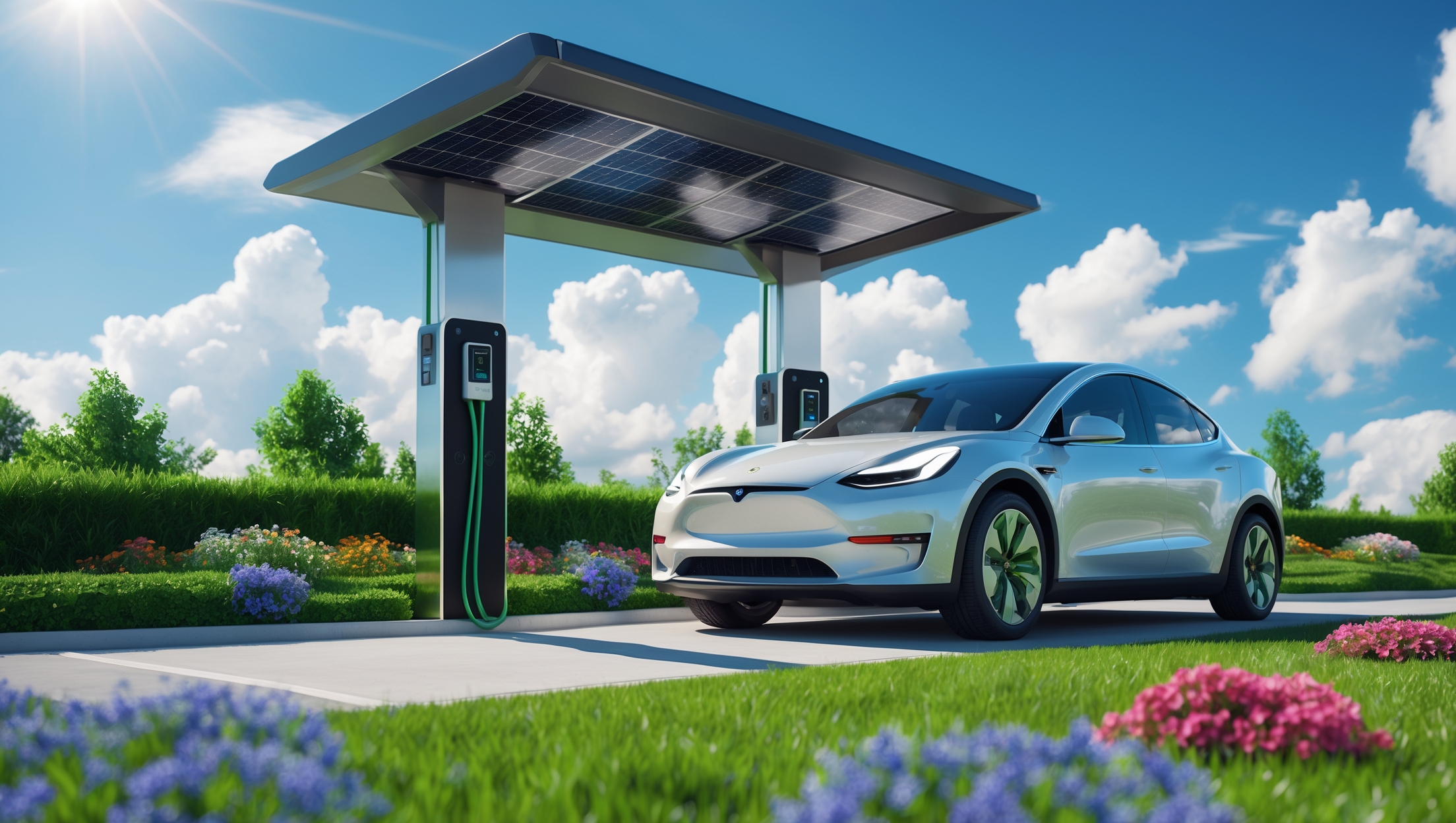
Introduction: Why Solar-Powered Outdoor EV Charging Station Maintenance Matters
As electric vehicles (EVs) become increasingly mainstream, solar-powered outdoor EV charging stations are emerging as a cornerstone of sustainable mobility. By harnessing solar energy, these stations reduce grid dependency, lower carbon footprints, and support the transition to greener transportation. However, to ensure that your investment operates efficiently, reliably, and safely year-round, a robust maintenance routine is essential. Unlike conventional grid-tied chargers, solar-powered systems integrate photovoltaic panels, inverters, batteries, and specialized hardware that all require periodic attention. Neglecting maintenance can lead to reduced charging efficiency, unexpected downtime, costly repairs, or even safety hazards. This comprehensive guide provides actionable best practices for maintaining your solar-powered outdoor EV charging station. Whether you’re a homeowner, business operator, or property manager, these strategies will help you maximize system longevity, optimize performance, and protect your sustainable investment.
Understanding the Components of a Solar-Powered EV Charging Station
Before diving into maintenance routines, it’s crucial to understand the system’s major components. Each part has unique care requirements and potential failure points.
- Solar Panels (Photovoltaic Modules): Convert sunlight into electricity for EV charging.
- Mounting Structures: Secure solar panels in place, typically on carports, canopies, or ground mounts.
- Inverter: Converts DC electricity from solar panels to AC for charger compatibility.
- Batteries (Optional): Store excess solar energy for charging during cloudy periods or nighttime.
- Charge Controller: Regulates power flow to protect batteries and ensure optimal charging.
- EV Charging Unit: The interface for plugging in vehicles, which may include Level 2 or Level 3 (DC fast charge) equipment.
- Cabling & Wiring: Connects all components and is often exposed to outdoor elements.
- Safety Devices: Ground fault interrupters, surge protection, and shutoff switches.
Routine Inspection Checklist
Consistent inspections are the backbone of effective maintenance. Schedule these checks at least quarterly, or more frequently in harsh environments.
- Visual Panel Inspection: Look for dirt, bird droppings, leaves, cracks, or hotspots on solar panels.
- Mounting and Framework: Check for loose bolts, corrosion, or misalignment after storms or high winds.
- Inverter Status: Confirm indicator lights are normal; review error codes or fault messages.
- Battery Condition (if present): Inspect for swelling, leaks, or corrosion around terminals.
- Wiring and Connectors: Look for exposed, frayed, or chewed wires; ensure all connections are tight and weatherproofed.
- EV Charger Functionality: Test charger with a compatible vehicle; check for error codes, unusual noises, or slow charging rates.
- Safety Devices: Test ground fault and surge protection mechanisms.
- Site Cleanliness: Remove debris, keep the area around the station clear, and trim vegetation that could shade panels.
Solar Panel Maintenance
Cleaning Panels for Maximum Efficiency
Dirt, pollen, leaves, and bird droppings can reduce solar panel output by up to 20%. In most climates, rain provides some self-cleaning, but scheduled manual cleaning ensures peak performance.
- Use a soft brush or sponge with deionized water to avoid scratching the glass.
- Avoid harsh detergents or abrasive materials.
- Clean panels early in the morning or late in the evening to prevent thermal shock.
- Document cleaning dates and any observed damage.
Seasonal Considerations
In snowy regions, gently remove snow with a non-metallic roof rake. In dusty environments, increase cleaning frequency during dry seasons.
Battery System Care
Visual and Performance Checks
For systems with battery storage, preventative care prolongs lifespan and prevents dangerous failures.
- Monthly check for signs of swelling, leaks, or discoloration.
- Inspect terminal connections for corrosion; clean with a mixture of baking soda and water if needed.
- Monitor battery charge/discharge cycles via the system app or controller interface.
Temperature Management
Batteries degrade faster in extreme heat or cold. Ensure enclosures have adequate ventilation and insulation. In freezing climates, consider battery heaters or relocate batteries indoors if possible.
Inverter and Charge Controller Maintenance
Firmware Updates
Keep inverter and controller firmware up to date for improved efficiency, bug fixes, and safety enhancements. Subscribe to manufacturer alerts.
Physical Inspection
- Check for dust accumulation on vents; clean gently with compressed air.
- Listen for unusual noises or vibrations.
- Review system logs for error codes and take prompt action if detected.
EV Charger Unit Upkeep
Connector and Cable Care
- Inspect charging cables for fraying, kinks, or exposed conductors.
- Wipe connectors with a dry cloth; avoid moisture ingress.
- Store cables neatly to prevent tripping hazards and UV degradation.
Functional Testing
- Test the charging process monthly with a vehicle or test load.
- Check for consistent charging speed and absence of error messages.
- Ensure display screens and indicator lights are functioning.
Weatherproofing and Environmental Protection
Outdoor systems face rain, sun, wind, snow, and wildlife. Preventative measures extend system life and reliability.
- Seal all cable entry points and junction boxes with UV-resistant, weatherproof grommets.
- Inspect for rodent damage; use armored conduit or rodent-resistant cabling if needed.
- Check for water ingress after heavy rain—look for signs of dampness in enclosures.
- Apply anti-corrosion spray to metal fasteners and mounting hardware annually.
Software, Monitoring, and Alerts
Many modern solar EV charging stations feature remote monitoring. Utilize these tools to stay ahead of problems.
- Set up automatic alerts for system faults, low battery, or abnormal charging events.
- Review energy production and usage logs weekly to detect performance drops.
- Back up system configuration files after major updates.
Professional Inspections and Preventative Service
While most maintenance can be performed by the owner, schedule a professional inspection at least once every 12-24 months. Certified technicians can:
- Test insulation resistance and ground fault protection.
- Calibrate charge controllers and verify inverter efficiency.
- Conduct thermal imaging to detect electrical hotspots.
- Perform load testing on batteries and EV charging circuits.
Record Keeping and Documentation
Maintain a detailed log of all maintenance activities, inspections, and repairs. Include dates, findings, actions taken, and any replacement parts used. This record aids in warranty claims, troubleshooting, and tracking long-term system performance.
Troubleshooting Common Issues
Underperforming Panels
If solar output drops, check for shading, dirt, or physical damage. Review inverter logs for errors and confirm panel voltage with a multimeter.
Charger Not Delivering Power
- Verify system is producing power (check inverter status).
- Inspect circuit breakers and fuses.
- Test charger with different EVs to rule out vehicle-side issues.
Frequent System Faults
- Check for software updates and install if available.
- Review environmental conditions—extremes may cause voltage deviations.
- Contact your installer or manufacturer if faults persist.
Seasonal and Annual Maintenance Tasks
- Spring: Clean panels thoroughly after pollen season. Inspect for storm damage.
- Summer: Check for heat buildup in enclosures. Monitor battery temperatures closely.
- Autumn: Remove fallen leaves from panels and around charging station. Prepare for winterizing if necessary.
- Winter: Clear snow and ice from panels and access paths. Inspect for moisture ingress after freeze/thaw cycles.
- Annually: Schedule professional system inspection and preventative maintenance service.
Safety Considerations
Always power down the system before opening electrical enclosures. Wear appropriate PPE (personal protective equipment) such as gloves and safety glasses. Never attempt repairs on high-voltage components unless qualified. Post emergency shutoff procedures and keep fire extinguishers rated for electrical fires nearby.
Conclusion: Protecting Your Investment and the Planet
Solar-powered outdoor EV charging stations represent a significant step towards a cleaner, more sustainable future. However, the benefits of renewable mobility can only be fully realized when these systems operate safely, efficiently, and reliably. By implementing a structured maintenance plan—spanning routine inspections, cleaning, component care, environmental protection, and professional servicing—you safeguard not just your equipment, but also your commitment to sustainable living. Maintenance may seem like a chore, but it’s a proactive investment in maximizing uptime, reducing long-term costs, and ensuring your EV charging station continues to serve your needs and the environment for years to come. Take pride in your green technology, document your upkeep, and enjoy the peace of mind that comes with a well-maintained, eco-friendly charging solution. The journey to a sustainable future is powered by diligence as much as by sunlight—make maintenance a key part of your solar story.


When budgeting for ongoing maintenance, how much should business operators allocate annually to cover inspections and repairs of the various system components mentioned, such as mounting structures and charge controllers?
For ongoing maintenance of solar-powered EV charging stations, it’s sensible to allocate about 1% to 3% of the total system installation cost annually. This covers regular inspections, cleaning, minor repairs, and component upkeep like mounting structures and charge controllers. The exact amount can vary based on your local climate, equipment quality, and usage, but this percentage should provide a reliable annual maintenance budget.
If I notice my charging station is providing less power than usual, is there a recommended troubleshooting order? For example, should I check the charge controller first or start with the wiring or panels?
If your charging station is delivering less power than usual, start by visually inspecting the solar panels for dirt or shading, as these are common culprits. Next, check the wiring and connections for any signs of wear or corrosion. After that, review the charge controller’s display or indicators to ensure it’s functioning correctly. If all looks normal but the issue persists, examine the battery bank if your system uses one. This sequence should help you identify the problem efficiently.
From a budgeting perspective, what are the most common maintenance-related expenses over the first few years of operating outdoor solar EV chargers? I’d like to get a sense of what to expect beyond the upfront installation costs.
In the first few years, the most common maintenance expenses for solar-powered outdoor EV charging stations include regular cleaning of solar panels, periodic inspection and testing of electrical components, occasional inverter maintenance, and replacement of consumables like filters or fuses. You may also need to budget for software updates and minor repairs from weather exposure or vandalism. Labor costs for inspections and cleaning typically make up a significant portion of ongoing expenses.
If the charging station experiences persistent downtime, what troubleshooting steps would you recommend before contacting a professional? Is there a recommended order in which to check the system components you listed?
If your charging station has persistent downtime, try these steps in order: First, check the power supply and ensure solar panels are clean and unobstructed. Next, inspect batteries for charge level and visible damage. Then, review all electrical connections for looseness or corrosion. After that, verify the inverter and control systems are functioning correctly. Finally, check the charging interface for debris or faults. If these checks don’t resolve the issue, it’s time to contact a professional.
How often do you recommend cleaning the solar panels for optimal charging efficiency, especially in regions with seasonal pollen or frequent storms, and are there simple ways to tell when cleaning is needed?
For areas with heavy pollen or frequent storms, it’s best to clean the solar panels every 1 to 2 months to maintain optimal efficiency. After storms or visible pollen buildup, a quick inspection can help—if you notice a layer of dust, pollen, or debris on the panels, it’s a good sign cleaning is needed. Monitoring a sudden drop in energy output can also indicate it’s time for a cleaning.
Could you elaborate on how often the inverter and charge controller should be inspected or serviced in these solar-powered EV charging stations, and are there early warning signs that indicate potential failure for either component?
For solar-powered EV charging stations, both the inverter and charge controller should typically be inspected at least once or twice a year. If the station operates in a harsh environment, more frequent checks are wise. Early warning signs of potential failure include abnormal noises, unexpected shutdowns, overheating, reduced charging efficiency, warning indicator lights, or error codes. Regularly monitor performance and address any irregularities promptly to prevent bigger issues.
Could you elaborate on how often each component, like the inverter or batteries, should be inspected or serviced to prevent unexpected downtime in solar-powered outdoor EV charging stations?
For optimal reliability, solar panels should be visually inspected and cleaned every 3–6 months. Inverters typically need a professional check once a year, but a quick monthly look for indicator lights or error messages is useful. Batteries should be inspected for connections and wear every 6 months, with a capacity test annually. Charge controllers and wiring should also be checked annually for corrosion or damage. These schedules help catch issues early and prevent unexpected downtime.
Could you elaborate on what kind of unexpected downtime or safety hazards might happen if the cabling and wiring aren’t checked regularly? It seems like that might be an overlooked maintenance area.
If cabling and wiring aren’t inspected regularly, moisture or rodent damage can cause unexpected downtime by short-circuiting the system. Loose or frayed wires can also create safety hazards such as electrical shocks or even fire risks. Regular checks help catch issues like exposed conductors or corrosion before they disrupt charging operations or endanger users.
I’m a bit unclear on the recommended cleaning frequency for the solar panels, especially if our site is prone to dust and debris. Could you offer guidance on best practices for keeping them efficient year-round?
For sites that experience a lot of dust and debris, it’s generally recommended to clean solar panels monthly to maintain their efficiency. However, you should inspect them more often during dry or windy seasons. Always use soft brushes or cloths with water to avoid scratching the surface. Keeping a regular inspection and cleaning schedule will help ensure consistent performance throughout the year.
I see that mounting structures are mentioned as part of the system. Do weather conditions like heavy snow or high winds require additional inspections or reinforcement, and what’s typically involved in that maintenance?
Yes, weather conditions like heavy snow or strong winds do require extra attention to mounting structures. Regular inspections should be scheduled before and after severe weather events to check for damage, rust, or loose bolts. In areas prone to harsh weather, reinforcements such as sturdier anchors or bracing may be needed. Maintenance can include tightening fasteners, checking for corrosion, and ensuring structural stability to prevent failures.
If a charging station goes offline unexpectedly, what are the first components you recommend checking based on common failure points mentioned in the article?
If a solar-powered EV charging station goes offline unexpectedly, the article suggests first checking the solar panels and their connections for debris, shading, or physical damage. Next, inspect the charge controller and inverter, as these are common points of failure due to overheating or electrical faults. Also, verify battery status and wiring connections to ensure there are no loose or corroded terminals.
If the charging efficiency suddenly drops, is there a recommended troubleshooting order for components like the panels, inverter, and wiring to figure out where the problem might be coming from?
If you notice a sudden drop in charging efficiency, start troubleshooting by checking the solar panels for dirt, shading, or visible damage. Next, inspect the wiring connections for loose or corroded contacts. After that, evaluate the inverter for error indicators or abnormal sounds. If all these components seem normal, consider monitoring the charging station’s software for any alerts or updates that might explain the drop in efficiency.
I noticed batteries are listed as optional for these stations. Is there a significant difference in maintenance routines or costs for systems with batteries versus those that don’t store solar energy for nighttime charging?
Yes, systems with batteries do have different maintenance needs and costs compared to those without. Battery-equipped stations require regular inspection of battery health, cleaning of terminals, checking for corrosion, monitoring charge/discharge cycles, and eventual battery replacement. This adds both time and cost to routine maintenance. Stations without batteries mainly focus on panel cleanliness, inverter checks, and basic electrical inspections, making their upkeep simpler and less expensive.
If my solar-powered charging station suddenly delivers slower charging speeds, is that more likely due to panel issues, inverter problems, or something with the EV charging unit itself? What’s the troubleshooting order you recommend?
If charging speeds drop unexpectedly, start by checking the solar panels for dirt, shading, or damage since reduced sunlight or panel performance is a common cause. Next, inspect the inverter for warning lights or error codes, as inverter faults can disrupt power delivery. If both seem normal, then check the EV charging unit for software errors or hardware issues. This order helps rule out the most common problems first.
Could you explain if battery storage is necessary for outdoor solar EV chargers in areas that are sunny most of the year, or is it mainly recommended for locations with frequent cloudy weather?
Battery storage for outdoor solar EV chargers isn’t strictly necessary in areas that enjoy abundant sunshine most of the year, as the system can often generate enough power during daylight hours. However, batteries are still useful if you want to offer charging at night, during unexpected cloudy periods, or to ensure more reliable power. They become much more important in regions with frequent cloudy weather or inconsistent sunlight.
What are the early warning signs that the charge controller or cabling might be failing? I want to catch small issues before they turn into expensive repairs or safety hazards.
Early warning signs for a failing charge controller include inconsistent charging output, unexpected system shutdowns, flickering indicator lights, or error messages on the display panel. For cabling, be alert for visible wear like fraying, discoloration, cracked insulation, warm or hot cables during operation, or unusual smells. Regularly inspect both components, and if you notice any of these symptoms, address them right away to prevent bigger issues or safety risks.
How does the maintenance routine or costs for a solar-powered EV charging station compare to a traditional grid-tied charger over the lifespan of the system?
Over the lifespan of the system, solar-powered EV charging stations generally require more regular inspection and cleaning, especially for the solar panels, compared to grid-tied chargers. However, their operating costs can be lower because they use free solar energy rather than purchased electricity. Traditional grid-tied chargers may have fewer components to maintain but incur ongoing electricity costs. Overall, while solar systems might need more hands-on maintenance, they often result in lower total costs due to energy savings.
If I notice that my charging station’s output has suddenly dropped, what are the key troubleshooting steps to quickly narrow down whether the issue is with the solar panels, wiring, or inverter?
To pinpoint the cause of a sudden output drop, first visually inspect the solar panels for debris or shading. Next, check all wiring connections for signs of wear or looseness. If those are fine, observe the inverter’s status lights or display for error codes or warnings. This process helps you quickly determine if the problem is with the panels, wiring, or inverter.
Are there specific signs of wear or performance issues in the mounting structures or wiring that owners should look out for during regular maintenance checks?
Yes, during regular maintenance, look for visible rust, corrosion, or loose bolts on the mounting structures, as these can weaken stability. For wiring, check for frayed insulation, exposed wires, discoloration, or any signs of overheating like melted sheathing. Also, ensure all wiring connections remain secure and free from moisture, which can cause further electrical issues.
Does your maintenance guide recommend specific intervals for checking the inverter or battery components, especially in regions with harsh winters or extreme heat? I’m wondering if seasonal weather changes should affect how often I inspect these parts.
Yes, the maintenance guide does recommend adjusting inspection intervals based on local weather conditions. In regions with harsh winters or extreme heat, it’s best to check the inverter and battery components at least once every month, rather than the standard quarterly checks. Extreme temperatures can accelerate wear and impact performance, so more frequent inspections help catch and address issues early.
Do you have any advice for dealing with extreme weather, like heavy snow or hail, when it comes to protecting the mounting structures and wiring at an outdoor charging station?
For heavy snow, it’s important to use mounting structures rated for your region’s maximum snow load, and to regularly clear snow buildup to avoid excess weight on panels. For hail protection, opt for tempered glass panels and robust enclosures for wiring. Ensure all wiring is weatherproofed and securely fastened to prevent damage from ice or wind. Routine inspections before and after storms help catch any issues early.
When it comes to cabling and wiring for these stations, what are the most common issues that cause charging problems? Are there preventative checks you’d suggest to catch these issues early?
The most common cabling and wiring issues in solar-powered EV stations include loose connections, corrosion (especially in outdoor environments), frayed insulation, and water ingress. To catch these problems early, regularly inspect all connectors for tightness and signs of rust, look for wear or damage on cables, and ensure weatherproof seals are intact. Using a multimeter to check for proper voltage and continuity during routine inspections can also help spot issues before they cause charging failures.
Could you explain how frequently the charge controller and inverter should be inspected for optimal performance in a typical outdoor solar-powered EV charging setup?
For a typical outdoor solar-powered EV charging station, it’s advisable to inspect the charge controller and inverter every three to six months. Regular inspections help spot potential issues like dust buildup, loose connections, or overheating. After severe weather or if you notice performance drops, do an extra check. Consistent inspections ensure both components operate safely and efficiently.
After reading about all the components, I’m a bit unsure which part is most likely to cause downtime if not maintained regularly. Is there a priority order for focusing maintenance efforts?
The most critical component to maintain is the battery storage system, as it is prone to degradation and can cause significant downtime if it fails. Next, focus on keeping solar panels clean and performing regular electrical checks for inverters and wiring. Prioritize batteries first, followed by solar panels, then the charging hardware and software. This approach will help minimize unexpected outages.
The article covers the core hardware components, but I’m curious how seasonal weather, like winter snow or summer heat, impacts the maintenance needs or scheduling for outdoor solar charging stations.
Seasonal weather has a big impact on maintenance for outdoor solar EV charging stations. In winter, snow and ice can cover solar panels, reducing efficiency and requiring more frequent cleaning. Summer heat may cause overheating in components, so extra checks on cooling and ventilation are helpful. Scheduling maintenance more often during peak weather seasons, and inspecting for any weather-related damage, helps keep everything running smoothly year-round.
Could you clarify how frequently each main component, such as the solar panels, inverters, and batteries, should be inspected or serviced to prevent unexpected downtime in outdoor EV charging stations?
Solar panels should be inspected and cleaned every 6 months to ensure maximum efficiency. Inverters typically need a detailed inspection once a year, focusing on any error codes or signs of wear. Batteries, especially if they are lithium-ion, should be checked every 3 to 6 months for performance and safety. Regularly scheduled maintenance can help prevent unexpected downtime and extend the life of the charging station components.
In the section about batteries for storing excess solar energy, do you have any recommendations on how often the batteries should be inspected or replaced for maximum reliability in areas with a lot of temperature fluctuation?
For areas with significant temperature fluctuations, it’s best to inspect solar battery systems at least every three months. Look for signs of corrosion, leaks, or capacity loss. Replacement timelines depend on battery type, but generally, batteries should be replaced every 5 to 10 years. Regular inspections help catch issues early and ensure maximum system reliability in challenging climates.
Can you give a rough estimate of the yearly maintenance costs for a residential solar-powered EV charging station compared to a standard grid-only charging setup? I’m trying to get a realistic sense of ongoing expenses before deciding.
For a residential solar-powered EV charging station, yearly maintenance costs typically range from $100 to $300, mainly for panel cleaning and occasional inspections. Grid-only charging stations are usually on the lower end, about $50 to $150 per year, since they mostly require basic electrical checks. Solar setups have slightly higher maintenance due to the panels, but long-term electricity savings can offset this.
If my charging station suddenly stops working, are there common troubleshooting steps I can take to identify whether the problem is with the charge controller, cabling, or another component before I call in a professional?
Yes, you can try a few basic checks. First, inspect all visible cables for damage or loose connections. Next, look at the charge controller display (if available) for any error codes or warnings. Check if the solar panels are clean and not shaded. Also, verify that fuses and breakers are intact. If you still can’t find the cause, it’s best to consult a professional to avoid further issues.
If I notice my EV charging more slowly than usual, which component is most likely to be the cause based on your experience—solar panels, inverter, or something else? Any troubleshooting steps you’d suggest before I call in a technician?
A slower charging rate can often be traced to the inverter or the solar panels. The inverter is a common culprit, as issues there may reduce the power delivered to the charger. First, check for any warning lights or error codes on the inverter display. Also, inspect the solar panels for visible debris, dirt, or shading that might reduce their output. If everything looks normal and your system has a monitoring app, review recent power generation data for irregularities. If these steps don’t reveal the issue, it’s a good idea to call a technician.
If my charging station is only used heavily during certain seasons, how should I adjust the maintenance routine for both the solar panels and the EV charging unit to avoid unnecessary costs while keeping everything in good condition?
When your charging station sees heavy use only during specific seasons, schedule thorough inspections and cleanings for the solar panels and charging unit before and after those peak times. During off-peak seasons, reduce routine checks to monthly visual inspections for debris or weather damage, and clear panels only when noticeably dirty. This approach keeps maintenance efficient and cost-effective while ensuring reliability when demand rises.
Could you clarify whether the recommended maintenance practices change much in regions with heavy snowfall or frequent storms? I’m particularly interested in how weather affects the mounting structures and overall charging reliability.
Yes, in regions with heavy snowfall or frequent storms, maintenance practices do need to adapt. It’s important to check the structural integrity of mounting systems more often, making sure they can handle extra snow load or high winds. Snow and debris should be regularly cleared from panels to maintain efficiency, and all wiring and electrical components should be checked more frequently for weather-related wear. These extra measures help maintain both safety and charging reliability in challenging weather conditions.
For someone looking to keep installation and upkeep costs low, which component in a solar-powered outdoor charging station tends to require the most frequent or expensive maintenance?
The solar panels themselves typically require the most frequent maintenance, mainly because they need to be kept clean and free of debris for optimal performance. While inverters and batteries can be costly when they eventually need replacement, their maintenance needs are less frequent. Regular panel cleaning and inspection will help you avoid bigger issues and keep overall costs down.
Once I have the basic maintenance procedures in place, are there any advanced strategies or upgrades you would suggest to further optimize performance and longevity of the charging system?
After establishing routine maintenance, consider implementing remote monitoring systems to track real-time performance and detect issues early. Upgrading to higher-efficiency solar panels or adding battery storage can boost reliability and energy availability. You might also evaluate software updates for the charging units to improve energy management, and schedule periodic professional inspections to check for wear or system inefficiencies beyond basic checks.
You mentioned that neglecting maintenance can cause reduced charging efficiency and even safety hazards. Can you explain what kind of safety issues could crop up, especially around the charge controller or wiring, and how serious they might be for families using the station frequently?
Safety issues from poor maintenance can include overheating wires, loose or corroded connections, and even electrical fires, especially around the charge controller or exposed wiring. These risks are more serious if families or children use the station often, since damaged parts could cause shocks or fire hazards. Regularly checking for frayed wires, burnt smells, or unusual heat can help prevent these problems and keep everyone safe.
You mentioned that neglecting maintenance could result in unexpected downtime and even safety hazards. Could you elaborate on what specific safety risks are most common with solar-powered charging stations if routine maintenance is skipped?
Skipping routine maintenance on solar-powered charging stations can lead to a few key safety risks. Electrical components may degrade, increasing the chances of short circuits or electrical fires. Damaged wiring or connectors could expose users to electric shock. Additionally, malfunctioning grounding systems or loose panels can pose tripping or injury risks. Regular inspections help catch these issues before they become hazards.
You touched on battery storage being optional. For locations with unpredictable sunlight, do the extra maintenance needs of adding batteries usually outweigh the benefits, or is it generally worthwhile?
In areas with unpredictable sunlight, adding battery storage is generally worthwhile despite the extra maintenance. Batteries help ensure continuous operation during cloudy days or at night, improving reliability. While maintenance needs do increase—like regular battery inspections and replacements—the benefits of consistent charging availability and reduced grid reliance typically outweigh these concerns for most locations with variable sunlight.
Could you detail roughly how often the various components—like mounting structures, cabling, and the EV charging unit itself—need to be inspected or serviced annually to ensure reliable long-term operation?
Mounting structures should be inspected at least once a year for rust, alignment, and physical integrity. Cabling requires a semi-annual check for wear, insulation damage, and secure connections. The EV charging unit itself should be serviced annually, with a thorough inspection of electrical components and software updates as needed. Cleaning of solar panels and checks for debris should happen quarterly. Adjust these intervals if your station is in a harsh environment.
For homeowners who are new to these systems, are there any maintenance tasks that can be done without calling in a technician, or is it safer to always hire a professional for things like checking wiring or inverters?
Homeowners can safely handle some basic maintenance tasks, such as cleaning the solar panels with water and a soft brush and visually inspecting the area for debris or obvious damage. For anything involving wiring, electrical connections, or the inverter, it’s best to hire a professional, as these tasks require specialized knowledge and could pose safety risks if handled incorrectly.
If I start noticing a drop in charging speed at my solar-powered station, is there a recommended troubleshooting order among the components mentioned? I’m wondering if wiring issues or inverter problems are more commonly the culprit.
If you notice a drop in charging speed, start by checking the solar panels for dirt or shading that could reduce output. Next, inspect wiring and electrical connections for loose or corroded joints, as wiring issues are often a frequent cause. After that, check the inverter for any error codes or abnormal operation. While both wiring and inverter problems can cause slow charging, wiring faults tend to be more common.
I’m curious about the upkeep costs over time. Are certain parts, like batteries or mounting structures, prone to more frequent replacements or repairs compared to others? It would be helpful to have a general sense for budgeting future maintenance.
Batteries generally require more frequent replacements than other parts, often every 5–10 years depending on usage and conditions. Mounting structures and solar panels tend to be more durable, usually lasting 20 years or more with minimal repairs if installed properly. Budgeting for periodic battery replacement and routine inspections is recommended, but major structural repairs are uncommon unless there’s physical damage or severe weather.
I’m curious about the cost implications of proactive versus reactive maintenance for these systems, especially when it comes to batteries and inverters. Is it more budget-friendly in the long run to stick to a rigid maintenance routine?
Proactive maintenance, such as regular inspections and servicing of batteries and inverters, typically reduces the risk of unexpected breakdowns and expensive emergency repairs. While it might seem more costly upfront, it usually proves more budget-friendly over time by extending equipment life and minimizing major failures. Reactive maintenance can lead to higher costs from sudden replacements or downtime, so a consistent routine is generally the wiser investment.
How do maintenance needs differ if my charging station is exposed to harsher climates, like extreme heat or heavy snow? Are there extra steps I should take to prevent damage to the solar panels or mounting structures?
In harsher climates, maintenance becomes more important. For extreme heat, regularly inspect for warping or damage to solar panels and ensure all electrical connections are secure. In areas with heavy snow, clear snow buildup from panels and mounting structures to prevent excess weight and shading. Also, check supports for rust or corrosion, and tighten bolts if needed. Using weather-resistant materials and scheduling more frequent inspections can help prevent damage over time.
If my charging speed seems to drop on cloudy or rainy days, is that usually an issue with solar panel efficiency or could it indicate a problem with my battery or wiring? Not sure what to troubleshoot first.
A drop in charging speed on cloudy or rainy days is usually due to reduced solar panel efficiency, since less sunlight means less energy generation. This is normal for solar-powered stations. However, if the slowdown is severe or continues on sunny days, it could point to issues with your battery storage or wiring, and you’d want to check those next.
Are there any recommended checklists or digital tools for scheduling and tracking routine maintenance for components like charge controllers and mounting structures?
Yes, using digital maintenance management tools can help keep track of routine tasks for components like charge controllers and mounting structures. Many operators use software such as CMMS (Computerized Maintenance Management Systems) to create checklists, schedule inspections, and log maintenance activities. You can also set up reminders and track performance data with these tools, making it easier to ensure regular upkeep and catch issues early.
If you’re on a budget, which components should you prioritize for professional inspection versus what you can realistically handle yourself? Especially interested in the inverter and charger unit maintenance.
If you’re on a budget, prioritize professional inspections for the inverter and charger unit. These components are complex, high-voltage, and critical for safety and performance. Routine cleaning of panels, checking for obvious wear, and inspecting visible wiring for damage are tasks you can usually handle yourself. Leave detailed electrical diagnostics, firmware updates, and internal repairs of the inverter or charger to qualified professionals.
I’m interested in the cost implications—are there any parts of the system that require more frequent or expensive maintenance, and how can one budget for that over the lifespan of the station?
Some components, like batteries and inverters, typically need more frequent or costly maintenance compared to others. Batteries might require replacement every few years, while inverters may need servicing or eventual replacement over the station’s lifespan. To budget effectively, estimate the expected replacement intervals and costs for these parts, and set aside a maintenance reserve fund each year based on those projections. Routine cleaning and inspections are less expensive, but should also be factored in.
For property managers with limited budgets, how should maintenance priorities be set among the various components outlined, like panels, inverters, and charge controllers? Are there certain areas where more frequent attention can prevent the most costly repairs?
When working with limited budgets, it’s wise to prioritize regular cleaning and inspection of the solar panels, since dirt and debris can quickly reduce efficiency. Inverters and charge controllers should be checked for error indicators or unusual noises, as these components are critical and repairs can be costly if problems go unnoticed. Focusing on these areas with routine visual checks and basic cleaning can help prevent larger, more expensive issues down the line.
How often should I be checking or cleaning the solar panels on my outdoor EV charger, especially if I live somewhere with a lot of pollen or dust? Is there a recommended schedule or signs to watch for that indicate they need maintenance?
If you live in an area with a lot of pollen or dust, it’s wise to check and clean your solar panels about once a month. Look for visible buildup, reduced charging speeds, or a noticeable drop in energy output—these are clear signs they need attention. After significant dust storms or during pollen-heavy seasons, extra inspections may help keep your system running efficiently.
Could you recommend an easy-to-follow maintenance checklist for beginners who aren’t experienced with solar equipment, especially for things like cabling, wiring, and the EV charging unit?
Certainly! For beginners, here’s a simple checklist: 1) Visually inspect all cabling and wiring for wear, cracks, or loose connections. 2) Gently clean dust and debris from the solar panels with a soft cloth. 3) Check the EV charging unit for any error messages or unusual noises. 4) Make sure all connectors are dry and securely attached. 5) Test the charging function monthly. If you notice anything out of the ordinary, contact a qualified technician for further inspection.
Do the maintenance routines for solar-powered EV charging stations differ much if I have Level 3 DC fast charging equipment compared to Level 2 units? I want to be sure I’m addressing any special requirements for faster chargers.
Yes, maintenance routines do differ between Level 2 and Level 3 (DC fast charging) equipment. Level 3 chargers operate at higher voltages and currents, so they require more frequent inspections of electrical connections, cooling systems, and safety interlocks. You should also check for firmware updates and monitor for overheating more closely. Be sure to follow the manufacturer’s specific guidelines for DC fast chargers to address these additional needs.
I noticed you listed both Level 2 and Level 3 charging options. Does the required maintenance differ significantly between these two, and are there specific best practices unique to fast-charging (DC) units when integrated with solar power?
Level 2 and Level 3 (DC fast-charging) stations do have some differences in their maintenance needs. Fast-charging DC units handle higher voltages and currents, so they require more frequent inspections of electrical connections, cooling systems, and safety features. When integrated with solar power, it’s especially important to regularly check both the DC charger and the solar inverter for proper synchronization and optimal performance. Also, monitor for thermal stress and ensure all protective equipment is up to date. Routine firmware updates and thorough record keeping help keep both systems running smoothly.
What are some early warning signs for potential safety hazards at these charging stations, especially those related to the mounting structures or the wiring, and how should operators respond if they notice something unusual?
Some early warning signs of safety hazards in solar-powered outdoor EV charging stations include loose or leaning mounting structures, visible rust or corrosion, exposed or frayed wiring, and unusual noises or vibrations from the equipment. If operators notice any of these issues, they should immediately cordon off the area to prevent use, document the problem, and contact qualified maintenance personnel to inspect and repair the faults before resuming operation.
How do maintenance routines change across different climates, such as areas with heavy snow compared to those with intense heat or humidity? Are there any preventive steps to reduce weather-related wear on solar panels or mounting structures?
Maintenance routines should be adapted to local climate. In snowy regions, regularly remove snow buildup from solar panels and check for ice damage on mounting structures. In hot or humid areas, look for corrosion, overheating, or dust accumulation, and clean the panels more frequently. Applying weather-resistant coatings, using corrosion-resistant materials, and ensuring secure mounting can help reduce weather-related wear in all climates.
Could you give an idea of what signs indicate that the mounting structures or wiring might be failing? I’m worried I might overlook something important during my routine checks.
Some common signs of mounting structure issues include visible rust, loosened bolts, cracks, warping, or any tilting of the solar panels. For wiring, watch for frayed insulation, exposed wires, discoloration, or any burning smells. If you notice junction boxes or connectors looking loose or corroded, that’s a warning sign too. Regularly inspect these areas to catch problems early and keep your station operating safely.
Since the article mentions both Level 2 and Level 3 charging options, are there differences in maintenance frequency or complexity between those two types when integrated with solar arrays?
Yes, there are some differences. Level 3 (DC fast chargers) generally require more frequent and complex maintenance than Level 2 chargers, particularly when connected to solar arrays. Level 3 equipment handles higher voltages and currents, which means components can wear out faster and need more regular checks. These systems might also need specialized technicians and more advanced monitoring, while Level 2 chargers usually have simpler maintenance routines.
Could you clarify how often the solar panels and batteries in these outdoor EV charging stations typically need to be inspected or serviced to prevent downtime? I’m curious if different climates affect the recommended maintenance schedule.
Solar panels on outdoor EV charging stations are usually inspected and cleaned every 6 to 12 months to maintain efficiency, though areas with lots of dust, pollen, or snow may require more frequent checks. Batteries should be inspected at least once a year, but twice yearly is better in hot or cold climates to catch issues early. Extreme weather can increase wear, so adjusting the schedule based on local conditions is recommended.
Based on your breakdown of components, what are some early signs that batteries in a solar-powered EV charging station might be underperforming before they actually fail? I want to catch issues early, especially during seasonal weather changes.
Some early signs of underperforming batteries include slower-than-normal charging speeds, reduced energy storage capacity, or noticeable drops in voltage after sunset. You might also see the system frequently switching to backup power or experiencing short charging cycles. During seasonal changes, watch for unusually fast battery drain or if batteries take longer to recharge, as temperature fluctuations can quickly reveal underlying issues.
If an EV charging unit suddenly stops working, is there a recommended troubleshooting order for checking whether the issue is with the inverter, batteries, or cabling? I’m trying to understand which part tends to fail most often.
When troubleshooting a non-working solar EV charging unit, start by inspecting the cabling for visible damage or loose connections, as these are common failure points. Next, check the batteries to ensure they are charged and functioning properly. Lastly, examine the inverter, since inverter faults can also cause outages but are often less frequent than cabling or battery issues. This order helps you identify typical problems efficiently.
If my EV charging station starts experiencing decreased efficiency or frequent downtime, what are the first troubleshooting steps I should try with the solar panels and wiring before calling in professional help?
If you notice decreased efficiency or frequent downtime, start by visually inspecting the solar panels for dirt, debris, or shading, and clean them if necessary. Check that all wiring connections are secure and look for any visible signs of wear or corrosion. Also, make sure the inverter display does not show any error messages. These basic checks can often identify or resolve common issues before you need professional assistance.
In climates with heavy snowfall or frequent storms, are there specific maintenance practices or upgrades you recommend to prevent reduced efficiency or damage to the mounting structures and wiring?
In regions with heavy snowfall or frequent storms, it’s important to regularly clear snow and ice from the solar panels to maintain efficiency. Use sturdy, weather-resistant mounting structures rated for local wind and snow loads. Ensure all wiring is properly insulated and protected with conduit to prevent moisture ingress. Additionally, periodic inspections after severe weather can help you spot and address any damage early.
For someone managing both the EV charging unit and the mounting structure outdoors, are there any seasonal maintenance steps you recommend to prevent problems during winter or heavy storms?
For winter and stormy weather, it’s important to check the mounting structure for any loose bolts or corrosion, and clear away snow or debris from panels and the charging unit. Inspect seals and weatherproofing to prevent water ingress. Before heavy storms, make sure drainage is unobstructed and consider temporary weather covers for sensitive components. Regularly monitor system performance after storms to catch any issues early.
For a first-time DIY installer, how often should I be checking the inverter and batteries specifically, and are there any warning signs that mean I need to repair or replace them sooner than scheduled?
For a beginner, it’s a good idea to check the inverter and batteries at least once a month. Watch for warning signs like unusual noises, error messages on the inverter display, batteries not holding charge, visible corrosion, or swelling. If you notice any of these, address them immediately instead of waiting for your next scheduled check or maintenance.
After reading about the variety of components involved, could you provide some guidance on what maintenance steps should be handled by professionals versus tasks a property manager or homeowner could safely do themselves?
Routine cleaning of solar panels, checking for visible debris, and ensuring the area around the station is clear are tasks a property manager or homeowner can safely handle. However, inspecting electrical wiring, inverter checks, software updates, and any repairs involving high-voltage components should always be left to licensed professionals to ensure safety and system reliability.
If someone is dealing with unexpected downtime at their charging station, are there troubleshooting steps you’d suggest to narrow down whether the issue is with the panels, wiring, or the charging unit itself before calling in a professional?
If your charging station experiences downtime, you can try a few steps to isolate the issue. First, check if the solar panels are clean and unobstructed and look for any obvious physical damage. Next, inspect the wiring for any loose connections or visible wear. Finally, see if the charging unit shows any error codes or lights that could indicate a fault. Taking note of these observations will help a technician diagnose the problem more quickly if professional help is needed.
The article mentions both Level 2 and Level 3 charging units—do their maintenance requirements differ when paired with a solar setup? I’m still deciding which charger to install, and I want to plan for upkeep in advance.
Level 2 chargers generally require less maintenance compared to Level 3 units, especially with a solar-powered setup. Level 3 (DC fast chargers) have more complex electronics, higher power throughput, and may need more frequent inspections, cooling system checks, and firmware updates. Both types benefit from regular cleaning, wiring inspections, and making sure the solar array is functioning well, but Level 3 systems usually involve more detailed preventive maintenance.
For stations that include battery storage, what are some best practices to maximize battery life, especially in regions with significant seasonal temperature fluctuations? Are there particular maintenance steps that are more critical for battery health?
To maximize battery life in stations with storage, especially where temperatures vary a lot seasonally, it’s important to maintain optimal battery temperature—ideally by installing thermal management systems or insulation. Regularly check for signs of corrosion, ensure connections are tight, and keep batteries clean and dry. Periodic capacity testing helps catch early signs of degradation. For regions with extreme temperatures, scheduling maintenance before seasonal shifts and adjusting charge/discharge settings can also help preserve battery health.
How often do I need to clean the photovoltaic panels and what’s the best way to do it without damaging anything, especially if my panels are mounted on a canopy in a high-pollen area?
In high-pollen areas, it’s best to clean your photovoltaic panels about once a month to maintain efficiency. Use a soft brush or a hose with gentle water pressure to remove pollen and debris. Avoid abrasive materials and high-pressure washers, as these can scratch the glass or damage seals. If possible, clean in the early morning or late afternoon when the panels are cool.
Can you provide any estimates on the typical maintenance costs per year for a business operator managing an outdoor solar-powered EV charging station?
Annual maintenance costs for outdoor solar-powered EV charging stations typically range from $1,000 to $3,000 per unit. This includes routine cleaning of solar panels, inspection of electrical components, and software updates. Costs can vary based on location, exposure to harsh weather, frequency of use, and the scale of your operation. Factoring in preventive maintenance can help reduce unexpected repair expenses over time.
How often should the different components like the inverter, batteries, and charge controller be inspected or serviced to prevent downtime in a solar-powered outdoor EV charging station?
For optimal performance and to minimize downtime, inspect inverters and charge controllers every 6 months for dust, corrosion, and electrical connections. Batteries should be checked monthly for charge level, signs of wear, and terminal cleanliness. Annual professional servicing is also recommended for all components to ensure safety and address potential issues before they cause failures.
You mention both Level 2 and Level 3 EV chargers. Does the maintenance routine change much depending on which type we have, and are there different safety risks with the faster charging stations?
Yes, maintenance routines can differ between Level 2 and Level 3 (DC fast) chargers. Level 3 chargers have more complex electronics and higher voltages, so they require more frequent inspections and specialized servicing. Safety risks are also greater with Level 3 stations due to the higher currents involved, so extra care with grounding, insulation, and emergency shut-off systems is important. Always follow manufacturer guidelines specific to your charger type.
I noticed you mentioned both Level 2 and Level 3 charging equipment—do these different charger types require different maintenance schedules or approaches when integrated with solar power?
Level 2 and Level 3 chargers do have some differences in maintenance needs, especially when paired with solar power. Level 3 chargers handle higher power and often require more frequent inspections for cooling systems, electrical connections, and software updates. Level 2 chargers generally need basic electrical checks and cleaning. Regardless of charger type, regular maintenance of the solar panels and integration points is essential to ensure consistent performance.
The article mentions specialized hardware and potential safety hazards—are there recommended inspection intervals for the wiring and connectors to catch issues before they become a risk?
Regular inspections are key to ensuring safety and reliability. For wiring and connectors at solar-powered EV charging stations, it’s generally advised to inspect them at least every six months. However, if the station is in a harsh environment or experiences heavy use, more frequent checks—such as quarterly—are a good idea. Always look for signs of wear, corrosion, or loose connections during each inspection.
Could you elaborate a bit on the recommended inspection schedule for the wiring and connectors? I’ve heard outdoor setups are more prone to wear—how frequently should these components be checked to avoid safety problems?
For outdoor solar-powered EV charging stations, wiring and connectors should be visually inspected at least once every three months. Given their exposure to weather, it’s also wise to perform a thorough check after severe storms or temperature extremes. Look for signs of corrosion, loose connections, and insulation wear. Scheduling professional electrical inspections annually will further ensure safe operation and catch issues early.
In your experience, what are the first signs that something might be going wrong with the mounting structures or wiring in outdoor settings, and what immediate steps should a property owner take if they notice these issues?
The earliest signs of trouble with mounting structures often include visible rust, loose bolts, unusual tilting, or vibrations. For wiring, watch for exposed wires, cracked insulation, or unexpected power fluctuations. If you notice any of these, secure the area to prevent access, avoid touching exposed components, and contact a qualified technician or your maintenance provider right away to assess and repair the problem safely.
The article mentions mounting structures for solar panels. Are there specific warning signs of wear or corrosion in outdoor setups that property managers should watch for, especially in areas with harsh weather?
Yes, in outdoor setups, especially in harsh weather, property managers should look for rust spots, paint peeling, or discoloration on steel parts, as these can signal corrosion. Watch for signs of loosening bolts, cracks in welds, or any warping and bending of the mounting structure. Also, check for water buildup around the base, as it can accelerate rust. Regular inspections will help catch these issues early.
If a solar-powered EV charging unit is suddenly charging vehicles much slower than usual, what are the most common troubleshooting steps to figure out whether the issue is with the panels, the inverter, or something else?
If your solar-powered EV charging station is charging slowly, you can start by checking the solar panels for dirt, debris, or shading that might reduce their output. Next, inspect the inverter’s display for any error messages or abnormal performance data. After that, verify all cable connections for signs of wear or looseness. You can also review recent energy production logs to spot sudden drops, which could help pinpoint whether the issue is with the panels, the inverter, or possibly the charging hardware itself.
If I encounter a noticeable drop in charging speed or efficiency, is there a recommended troubleshooting order for components like the charge controller or cabling, based on your guide?
If you notice a drop in charging speed or efficiency, start by inspecting the solar panels for debris or shading, as these are common culprits. Next, check the cabling for visible wear or loose connections. After confirming those are in good condition, examine the charge controller for error indicators or settings issues. Finally, review the battery health if your system includes storage. Address each component step-by-step to pinpoint the cause.
I’m curious about the maintenance needs of the inverter in these solar-powered EV charging stations. Are there specific warning signs or routine checks you recommend to catch inverter issues before they lead to downtime or reduced charging efficiency?
The inverter is a critical component in solar-powered EV charging stations, so regular checks are important. Key warning signs to watch for include unfamiliar noises, warning lights or error codes on the display, and any drop in power output. For routine maintenance, inspect for dust buildup, ensure all connections are secure, and review performance data for irregularities. Scheduling periodic professional inspections can also help catch issues early and minimize downtime.
Could you elaborate on how often the batteries in a solar-powered outdoor EV charging station typically need to be checked or replaced? I want to make sure I’m staying ahead of any downtime, especially during seasons with less sunlight.
For solar-powered outdoor EV charging stations, it’s recommended to check battery health at least once every three months, especially before and during seasons with less sunlight. As for replacement, most batteries will need to be replaced every 5 to 10 years depending on usage, quality, and environmental factors. Regular inspections help catch issues early and minimize downtime.
If I notice a drop in charging efficiency, is there a systematic way to diagnose whether the issue is with the solar panels, cabling, or the EV charging unit itself? I’d appreciate some troubleshooting tips applicable to outdoor systems.
To diagnose a drop in efficiency, start by checking the solar panels for dirt, shading, or visible damage and clean or repair as needed. Next, inspect all cabling and connections for corrosion, wear, or loose fittings. Finally, monitor the charging unit for error codes or unusual behavior. Testing each part individually—using a multimeter for voltage checks—can help isolate the problem. If issues persist, consult a qualified technician for deeper diagnostics.
If the charging efficiency seems to drop after a long period of cloudy weather, does the troubleshooting process differ compared to conventional grid-tied chargers? I’d appreciate advice on what to check first in the solar-integrated systems.
Yes, the troubleshooting process for solar-powered charging stations does differ somewhat from grid-tied chargers. With solar-integrated systems, start by checking the solar panels for dirt or shading, as these can reduce energy output, especially after cloudy weather. Next, inspect the battery storage system’s charge level and health, since prolonged low sunlight can drain batteries. Also, review the inverter and charge controller settings to ensure they’re operating correctly. These solar-specific checks come before the standard inspection of cables, connectors, and the EVSE unit itself.
With so many different components like charge controllers, wiring, and the actual EV charging unit, which part tends to need the most attention or is most likely to fail first in real-world use?
In real-world use, wiring and electrical connections often need the most attention in solar-powered EV charging stations. Weather exposure can lead to corrosion or loose contacts, which are common sources of failure. Regularly inspecting and securing wiring tends to prevent many issues before they impact charge controllers or the charging unit itself.
Could you clarify how maintenance routines differ between outdoor solar charging stations installed on carports versus ground mounts, especially when it comes to cleaning and checking mounting structures?
Certainly! Carport-mounted solar charging stations generally require more frequent cleaning, as they are more exposed to dust and debris falling from vehicles and nearby trees. Their elevated structures also need regular checks for corrosion or loose fittings, especially on support beams and roofing. Ground-mounted systems are usually easier to access for cleaning, but may accumulate more dirt or vegetation around the base. Inspections should focus on stability, signs of soil erosion, and ensuring that mounting hardware remains secure and free from rust.
I noticed you listed both inverters and charge controllers as key components. For homeowners, how often should we be checking these parts, and are there easy ways to tell if they’re starting to fail?
For homeowners, it’s a good idea to check your inverter and charge controller every 3 to 6 months. Look for warning lights, error messages, or unusual noises, which can indicate problems. A sudden drop in charging speed or efficiency is another red flag. Reviewing the manual for each component will help you recognize specific signs of trouble and recommended maintenance steps.
If my charging station has battery storage for excess solar energy, how often should I check or replace the batteries to keep everything running smoothly? Are there signs that indicate the batteries might be failing?
For stations with battery storage, it’s wise to inspect batteries at least every three to six months. Look for signs of swelling, leaks, corrosion on terminals, or a noticeable drop in storage capacity—all of which suggest the batteries may be failing. Replacement frequency depends on battery type, but most last 5–10 years. Regular checks help you catch any issues early and keep your system reliable.
I’m thinking about installing a battery to store extra solar energy, but I’m concerned about ongoing maintenance costs. How do battery maintenance requirements and costs compare to maintaining just the solar panels and charger unit?
Adding a battery does mean some extra maintenance compared to just solar panels and the charger. Batteries need periodic inspections, performance checks, and sometimes replacement after several years, which adds to costs. In contrast, solar panels mainly need cleaning and basic electrical checks, while charger units require routine safety inspections. Overall, battery maintenance involves more attention and potentially higher long-term costs, but it can significantly increase your system’s efficiency and reliability.
When maintaining the photovoltaic panels, are there specific cleaning solutions or methods you recommend to avoid damaging the panels or affecting their long-term efficiency?
To clean photovoltaic panels safely, use only soft sponges or cloths with lukewarm water. Avoid abrasive materials, harsh chemicals, or detergents, as these can scratch the surface or leave residues that reduce efficiency. For stubborn dirt, a mild soap diluted in water is fine, but rinse thoroughly. Clean panels early in the morning or late afternoon to prevent thermal shock from cold water on hot glass.
I’m trying to budget for a home system—are maintenance costs generally higher for stations that include battery storage, and is it worth the extra investment for households that want nighttime charging?
Maintenance costs are typically higher for systems with battery storage because the batteries require periodic inspections, monitoring, and eventual replacement. However, for households aiming for nighttime charging, the investment in battery storage is often worthwhile since it allows you to use stored solar energy even after sunset. While there’s an added cost, many find the flexibility and energy independence make it a good choice for home use.
I’m curious about the maintenance requirements for the batteries in these systems. How often do they need to be checked or replaced, and what are the typical costs involved for battery upkeep or replacement?
Batteries in solar-powered EV charging stations should generally be inspected every 6 to 12 months to check for signs of wear, capacity loss, or any connection issues. Most batteries last around 5 to 10 years, depending on the type and usage. Replacement costs can range from $200 to $800 per kWh, depending on battery technology, with maintenance costs varying but often being a minor part of overall operating expenses.
What kind of routine should I set up for inspecting cabling and wiring in these stations, especially since they are outdoors and exposed to varying weather conditions?
For outdoor EV charging stations, inspect cabling and wiring at least once every three months. Look for any signs of wear, fraying, or corrosion, especially after severe weather events. Check that all connections are secure and junction boxes are properly sealed against moisture. It also helps to clear away debris around cables and ensure protective conduit is intact. Record each inspection and address any issues promptly to prevent long-term damage.
If the station is used outdoors in a region with heavy snowfall or storms, are there any extra maintenance precautions needed for the mounting structures and wiring to ensure safety and reliability?
Yes, in areas with heavy snowfall or storms, it’s important to regularly inspect mounting structures for any signs of rust, damage, or loosening caused by shifting snow or strong winds. Clear snow buildup promptly to avoid excess weight on panels and supports. For wiring, ensure all connections are properly sealed and protected from moisture to prevent corrosion and short circuits. Periodically check for exposed wires and repair any insulation damage immediately for continued safety and reliability.
Since Level 2 and Level 3 charging equipment can have very different power requirements, do they require distinct maintenance schedules or checks compared to other components like the mounting structures?
Level 2 and Level 3 charging equipment do need maintenance routines tailored to their specific power requirements and usage intensity. These checks are generally more frequent and detailed than those for mounting structures, focusing on cooling systems, electrical connections, and software updates. Mounting structures primarily need periodic inspections for physical integrity, while charging units require electrical safety and performance checks.
How often should I expect to clean or inspect the solar panels, especially if my area gets a lot of dust and pollen in spring? Are there signs I can watch for to know when cleaning is overdue, or will reduced charging speed be the main clue?
In areas with a lot of dust and pollen, it’s wise to check and clean your solar panels every 1–2 months during peak seasons. Look for visible buildup, noticeable shading, or dullness on the panels—these are good signs that cleaning is needed. A drop in charging speed or lower energy output can also indicate it’s time to clean, but visual checks are helpful to catch buildup before it affects performance.
If a business is interested in installing a solar-powered EV charging station, what should be anticipated as the average annual maintenance budget for keeping photovoltaic panels, inverters, and batteries in optimal condition?
For a typical commercial solar-powered EV charging station, you should anticipate an annual maintenance budget of about 1 to 2 percent of the initial system cost. For photovoltaic panels, expect cleaning and inspection costs; inverters may need periodic servicing or replacement every 5–10 years, while batteries require regular checks and occasional replacement. As a ballpark figure, this often translates to several hundred to a few thousand dollars per year, depending on system size and local conditions.
Could you elaborate on what specific maintenance routines are recommended for the charge controller and inverter components? I’m particularly interested in how often inspections or firmware updates should be scheduled to prevent downtime at solar-powered outdoor EV charging stations.
For charge controllers and inverters, it’s best to conduct visual inspections monthly to check for dust, signs of overheating, corrosion, or loose wiring. Firmware updates should be scheduled at least quarterly, or whenever manufacturers release critical updates. Annual professional servicing is also advisable to test functionality and recalibrate settings. Keeping detailed maintenance logs helps track patterns and prevent unexpected downtime.
Could you provide more detail on how often each component should be inspected or serviced, especially the inverters and batteries? I want to make sure I’m not missing any critical maintenance intervals for our outdoor setup.
For solar-powered outdoor EV charging stations, it’s important to inspect the panels and mounting systems every 6 months. Inverters typically require inspection and basic servicing every 6 to 12 months, focusing on cooling systems, wiring, and firmware updates. Batteries should be checked every 3 to 6 months for charge cycles, temperature, and physical integrity. Always follow manufacturer recommendations, but these intervals help ensure reliable operation and early detection of issues.
I noticed mention of both Level 2 and Level 3 charging units. Does the maintenance frequency or complexity differ depending on which type of EV charger is integrated into a solar-powered system?
Yes, maintenance needs do vary between Level 2 and Level 3 chargers. Level 3 chargers (DC fast chargers) are more complex, have higher power electronics, and typically require more frequent inspections and specialized servicing. Level 2 units are generally simpler, with fewer high-stress components, so their maintenance is less complex and can be done less often. It’s important to follow manufacturer recommendations for each type, especially in a solar-powered setup.
When routine inspections uncover issues with the mounting structures or wiring, what is the suggested protocol for prioritizing repairs to minimize both safety risks and station downtime?
When issues are found with mounting structures or wiring during inspections, safety-related concerns should take top priority. Address anything that could pose a risk of electric shock, fire, or structural collapse immediately, even before minor performance problems. For less critical issues, repairs can be scheduled to minimize downtime—ideally during off-peak hours or when usage is lowest—to keep the station available as much as possible.
What should I look out for to catch early signs of trouble with the cabling and wiring? I’m new to this and want to avoid major safety issues but don’t really know what to check visually.
When inspecting cabling and wiring, look for visible signs like cracked insulation, frayed wires, exposed metal, discoloration, or melted spots. Also, check for loose connections, rust or corrosion on connectors, and any unusual smells near the cables. Make sure cables aren’t pinched or lying in water. If you notice any of these issues, it’s a good idea to contact a qualified technician for further inspection.
For someone considering installing solar-powered EV stations in a region with harsh winters, what adjustments or extra maintenance tasks should be planned for to prevent reduced charging efficiency or equipment failure?
In regions with harsh winters, it’s important to plan for regular snow and ice removal from solar panels and charging equipment to maintain efficiency. You should also regularly inspect for ice buildup on wiring and connectors, use weather-resistant enclosures, and check battery performance in low temperatures. Periodic checks for corrosion and ensuring proper drainage around the station are also key steps to prevent equipment failure.
Could you elaborate on how frequently each main component, like the charge controller and inverter, should be inspected or serviced to prevent unexpected downtime, especially in outdoor installations exposed to varying weather conditions?
For outdoor solar-powered EV charging stations, it’s important to inspect the charge controller and inverter at least every six months. In areas with harsher weather, consider quarterly checks. Look for signs of wear, corrosion, moisture intrusion, and ensure all connections are secure. Routine cleaning and software updates for these components are also essential to maintain performance and prevent unexpected downtime.
The article mentions the role of charge controllers in protecting batteries. Could you clarify if there are specific indicators or warning signs that the charge controller might be malfunctioning before it leads to battery damage?
Absolutely, there are several signs that may indicate a charge controller is not working properly. These include unexpected battery overcharging or undercharging, frequent tripping or alarm signals, display errors or inconsistent readings on the controller’s screen, and unusual heat generated by the controller. Regularly checking these indicators can help catch problems early, preventing potential battery damage.
I see you mention both Level 2 and Level 3 charging equipment. Are there differences in maintenance needs or potential failure points between these two types of chargers when paired with a solar-power system?
Yes, there are some differences in maintenance needs between Level 2 and Level 3 chargers, especially with solar-powered setups. Level 3 chargers (DC fast chargers) operate at higher voltages and currents, so they tend to generate more heat and require more frequent inspection of cooling systems and power electronics. Connections and cabling may be more prone to wear as well. Level 2 chargers are generally simpler, with fewer heat-related issues. For both, keep an eye on inverter performance, but Level 3 equipment usually requires a bit more robust preventative maintenance.
For property managers new to this technology, what initial signs should we be watching for that might indicate something is starting to go wrong with the charge controller or inverter?
For property managers new to solar EV charging stations, watch for warning lights or error codes on the charge controller or inverter displays, unexpected system shutdowns, or unusual noises like buzzing or clicking. A sudden drop in charging speed or inconsistent charging times can also indicate early issues. Regularly check system monitoring apps for abnormal readings in voltage, current, or temperature, which could signal a developing problem.
I’m curious about the typical lifespan of the batteries used in these solar-powered EV charging setups. How do maintenance routines differ if you’re using stations with versus without battery storage?
The batteries in solar-powered EV charging stations usually last around 5 to 15 years, depending on factors like battery type and usage. When stations have battery storage, maintenance includes regularly checking battery health, cleaning terminals, monitoring charge cycles, and replacing batteries as needed. In contrast, stations without battery storage focus more on solar panel and electrical component upkeep, since there’s no battery system to maintain or replace.
The article mentions optional batteries for storing excess solar energy. Can you share what signs indicate a battery might be failing and any particular maintenance steps to prolong battery life in outdoor setups?
Signs that a battery in your solar-powered EV charging station may be failing include reduced energy storage capacity, longer charging times, swelling or leakage, unusual noises, or frequent need for resets. To prolong battery life outdoors, regularly inspect for corrosion or damage, keep terminals clean, ensure proper ventilation to avoid overheating, protect the battery from extreme temperatures when possible, and follow manufacturer guidelines for charging cycles and maintenance intervals.
Can you give more detail on how often the solar panels and inverters should be checked or serviced to avoid reduced charging efficiency or unexpected downtime? With a busy family schedule, I want to plan realistic maintenance intervals.
For optimal performance, solar panels should be visually inspected and cleaned at least twice a year, or more often in dusty or pollen-heavy areas. Inverters generally need a professional check once a year. If you notice any drop in charging efficiency, consider scheduling an extra inspection. Setting a maintenance reminder at the start and midpoint of each year usually works well for busy families.
You mentioned safety hazards that can result from neglecting maintenance. What are some common safety issues specific to the outdoor setup of solar EV charging stations, and how can they be prevented through routine care?
Outdoor solar EV charging stations can face safety issues like exposed wiring from weather damage, panel degradation from debris or dirt, and corrosion in electrical components due to moisture. These hazards can be prevented by performing regular visual inspections, cleaning solar panels, checking for loose or damaged cables, and ensuring that all enclosures are sealed against the elements. Timely maintenance helps detect and fix potential risks before they become serious problems.
Is there a standard recommended schedule for inspecting mounting structures and wiring in outdoor installations, and what are the typical signs of wear that could impact safety or efficiency?
For outdoor solar EV charging stations, it’s common to inspect mounting structures and wiring every 6 to 12 months, or after severe weather events. Look for signs like corrosion or rust on mounts, loose bolts, cracked insulation, exposed wires, discoloration, and evidence of animal damage. Spotting these early helps maintain safety and efficiency, and addressing them promptly can prevent more serious issues.
I’m curious how maintenance best practices for these solar-powered charging stations compare to those for traditional grid-tied EV chargers. Are there significant differences in terms of upkeep complexity or annual costs?
Solar-powered EV charging stations typically require additional maintenance compared to traditional grid-tied chargers. Besides standard tasks like inspecting cables and connectors, you’ll need to regularly clean and inspect solar panels and battery storage systems. This can make upkeep a bit more complex and slightly increase annual costs, mainly due to the extra components involved. However, if the system is well designed, the difference in ongoing expenses isn’t usually dramatic.