
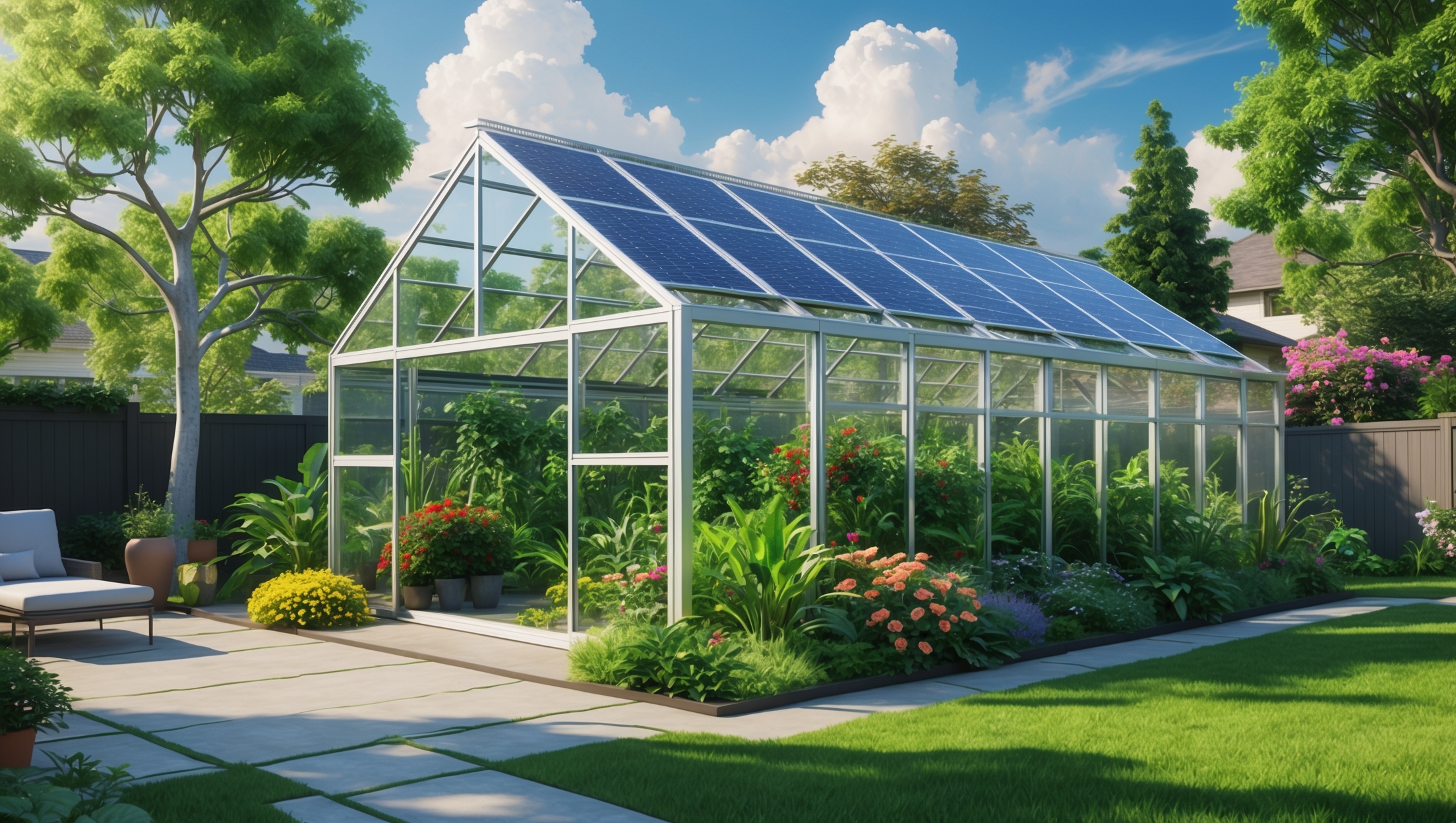
Introduction: Why Insurance Matters for DIY Solar-Powered Greenhouses
Building a solar-powered greenhouse is a rewarding leap toward sustainable living, combining renewable energy with homegrown produce. But whether you’re nurturing tomatoes through winter or propagating rare orchids, your investment deserves robust protection. Greenhouses—especially those enhanced with solar technologies—face unique risks: severe weather, power surges, structural failures, and even liability if equipment malfunctions affect neighboring properties. Unfortunately, many DIY builders overlook insurance until loss strikes. Navigating the insurance landscape for a custom solar-powered greenhouse can be confusing, with most policies designed for typical garden sheds or commercial operations, not high-tech, eco-friendly structures. This guide demystifies insurance essentials for DIY solar greenhouse projects, ensuring your hard work and green ambitions are shielded from disaster. We’ll explore policy options, must-have coverage, common pitfalls, and practical steps to secure affordable, comprehensive protection tailored to your unique setup.
Understanding the Unique Risks of Solar-Powered Greenhouses
Structural Vulnerabilities
Greenhouses, especially DIY models, are often more fragile than standard home additions. Glass panels, polycarbonate sheets, and lightweight frames are susceptible to hail, high winds, and heavy snow. Adding solar panels introduces additional considerations, such as wind uplift or leaks from improper mounting.
- Extreme Weather: High winds, hail, and snow can damage both the greenhouse structure and the solar array.
- Fire: Faulty wiring, overheated batteries, or nearby wildfires can pose serious threats.
- Theft & Vandalism: Solar panels, inverters, and batteries are valuable and can attract thieves—especially in remote or poorly lit areas.
- Water Damage: Leaks or flooding from rainstorms can ruin plants, electrical systems, and stored equipment.
Electrical and Renewable Energy Risks
Integrating solar power brings electrical hazards and potential fire sources not present in traditional greenhouses. Inverter faults, battery malfunctions, and DIY wiring errors can lead to property damage or injury.
- Power Surges: Lightning or grid fluctuations may damage electronics and solar equipment.
- Battery Fires: Lithium-ion batteries, in particular, pose a fire risk if improperly installed or maintained.
- System Failures: Malfunctioning solar components can cause greenhouse outages, crop losses, or even damage neighboring properties if not properly isolated.
Liability Concerns
DIY projects that aren’t code-compliant or properly permitted can expose you to legal and financial liabilities:
- Injury: Visitors injured by electrical faults, broken glass, or structural collapse may hold you liable.
- Neighboring Damage: Runoff, electrical faults, or fire spreading from your greenhouse could impact others’ property.
What Types of Insurance Do You Need?
Homeowners Insurance: What’s Covered and What’s Not
Most homeowners’ policies offer limited coverage for detached structures, like sheds or greenhouses, under “Other Structures” (Coverage B). However, this coverage often:
- Has a cap (typically 10% of your main dwelling’s insured value)
- Excludes commercial use (e.g., selling produce)
- May not cover solar panels or advanced electrical systems
- Requires notification or special riders for high-value or unique structures
Action Steps:
- Contact your insurer before building. Provide detailed plans and photos.
- Ask specifically if solar panels, inverters, and batteries are covered.
- Request a written endorsement or rider for full-value coverage.
Specialized Greenhouse or Solar System Insurance
If your homeowners’ policy falls short, consider these options:
- Solar Equipment Endorsements: Some insurers offer add-ons covering rooftop or ground-mounted solar installations, including repair/replacement and related liability.
- Stand-Alone Greenhouse Insurance: Specialty insurers may cover greenhouses as “agricultural structures,” with options for heating, cooling, and renewable technologies.
- Scheduled Personal Property: For high-value equipment (such as lithium batteries or advanced controllers), consider scheduling these items for additional protection.
Liability Coverage
General liability insurance may protect you if someone is injured in or by your greenhouse. Homeowners’ policies usually cover basic incidents, but not if you’re running a business or if the structure isn’t disclosed.
- Umbrella Policies: For larger projects or if you host workshops, consider an umbrella policy to increase your liability limits.
Crop & Contents Insurance
Most standard policies do not cover plants, crops, or tools inside a greenhouse. If you’re growing rare or expensive plants, or storing costly equipment:
- Ask about personal property riders for gardening tools, hydroponic systems, and electronics.
- Specialty insurers may offer limited crop coverage, but this is rare for residential policies.
Common Insurance Mistakes in DIY Solar Greenhouse Projects
- Assuming Homeowners’ Coverage is Automatic: Many discover too late that additions or upgrades aren’t covered without explicit notice to the insurer.
- Underestimating Replacement Value: DIY builders often calculate costs based only on materials, ignoring time, labor, or the value of solar equipment.
- Ignoring Permitting and Code Compliance: Insurers may deny claims if the structure isn’t permitted or built to code—even for non-commercial projects.
- Neglecting System Documentation: Failing to keep receipts, photos, and installation details can make claims difficult or impossible.
- Overlooking Liability: Not considering how accidents or system failures could impact visitors or neighbors.
Step-by-Step: Insuring Your DIY Solar-Powered Greenhouse
1. Plan for Insurance Early
Begin discussing your project with your insurer during the design phase. Outline:
- Structure size and location
- Materials (glass, polycarbonate, metal, etc.)
- Solar system specs (panel wattage, inverter/battery type, etc.)
- Intended use (personal, educational, occasional sales)
2. Gather Documentation
- Blueprints, sketches, or CAD drawings
- Receipts for all materials and equipment
- Photos at each construction stage
- Copies of permits and inspection certificates
- System manuals and specifications
3. Shop for Coverage
- Contact your current provider and at least two competitors.
- Ask specifically about solar, battery, and greenhouse coverage.
- Compare deductibles, exclusions, and limits.
4. Secure the Right Policy
- Obtain written confirmation of coverage for all major components.
- Request endorsements for solar and electrical equipment.
- Consider additional liability or umbrella policies if you host events or sell produce.
5. Maintain Records & Review Annually
- Update your insurer with major upgrades or changes.
- Keep digital and hard copies of all documents.
- Review your policy annually, especially after adding new technology or plants.
Practical Tips for Lowering Insurance Costs
- Build to Code: Use permitted and inspected electrical work; follow local building codes for wind/snow loads. Insurers offer better rates for compliant structures.
- Weatherproofing: Reinforce glazing and frames; install storm shutters or hail guards on panels.
- Security: Add motion lighting, cameras, and lockable doors to deter theft.
- Fire Prevention: Use non-combustible materials where possible, and install smoke/heat detectors near batteries and inverters.
- System Monitoring: Install smart monitors for temperature, humidity, and energy flow to catch problems early and document system health.
- Bundle Policies: Some insurers offer discounts for bundling greenhouse, home, and auto coverage.
What to Do If You Need to File a Claim
Step 1: Document the Damage
Take clear, date-stamped photos or videos of all affected areas and equipment. Inventory lost or damaged items with receipts, manuals, and serial numbers.
Step 2: Notify Your Insurer Promptly
Report the incident as soon as possible, following your policy’s procedures. Ask about any emergency steps you should take (such as securing the site).
Step 3: Meet with Adjuster
Be prepared to show all documentation, permits, and installation records. Walk the adjuster through the greenhouse and explain its unique features.
Step 4: Follow Up
Keep records of all communications. Ask for a written estimate and timeline for resolution. If you’re unsatisfied, appeal or seek a second opinion if allowed by your policy.
Frequently Asked Questions
Does my solar-powered greenhouse increase my home insurance premium?
It can, especially if the structure or equipment is high-value, increases liability, or requires additional coverage. However, energy-efficient or code-compliant upgrades may qualify for discounts. Always disclose new structures to your insurer.
Will my insurance cover crop loss due to power outage or system failure?
Standard home policies rarely cover crops or plant loss unless you have a specific rider. Specialty agricultural or greenhouse insurance may cover this, but exclusions are common for non-commercial growers.
What if I sell produce from my greenhouse?
Once you sell goods, your insurer may consider your greenhouse a business. You’ll need business or farm insurance, and liability exposures may change. Always notify your insurer of any commercial activity.
Can I insure just the solar panels or batteries?
Yes—many insurers allow you to schedule specific equipment, especially high-value items like solar panels and batteries. This can ensure full replacement value and lower deductibles for these components.
Conclusion: Peace of Mind for Sustainable Gardeners
Investing in a DIY solar-powered greenhouse is a powerful statement of your commitment to sustainability and self-reliance. But safeguarding that investment with the right insurance is just as critical as choosing the best panels or perfecting your hydroponic system. By understanding the unique risks—from weather and fire to liability and theft—you can proactively shape a policy that reflects the real value of your time, money, and green ambitions. Start early: consult with your insurer before breaking ground, document every step, and don’t cut corners on compliance or safety. The right coverage not only protects your greenhouse from loss but also shields your family from unexpected financial shocks, freeing you to focus on what matters most: nurturing plants, harvesting sunshine, and enjoying the peace that comes from living lightly on the land. With these insurance essentials in place, your solar-powered greenhouse will remain a thriving, secure cornerstone of your sustainable lifestyle for years to come.

When looking for insurance coverage tailored to a DIY solar-powered greenhouse, are there specific insurance providers or types of policies I should prioritize, since many standard home policies seem focused on basic sheds rather than tech-heavy structures like this?
For a DIY solar-powered greenhouse, it’s best to look for specialty insurers or providers that cover green technology or custom outbuildings. Ask about endorsements or riders for solar equipment and unique structures. Some companies offer policies for hobby farms, small agribusiness, or renewable energy systems—these may be more flexible for your needs than standard home policies. Be sure to document your project and discuss all its features with the insurer to ensure proper coverage.
Do you have any advice for someone on a tight budget who still wants meaningful protection for their solar greenhouse, especially with expensive components like panels and batteries involved?
If you’re on a tight budget, consider starting with basic property insurance as part of your homeowner’s or renter’s policy, which may offer some coverage for your greenhouse and equipment. Document your components with photos and receipts for easier claims. You can also look into adding a low-cost rider or endorsement for valuable items like solar panels and batteries, which is often more affordable than a full commercial policy.